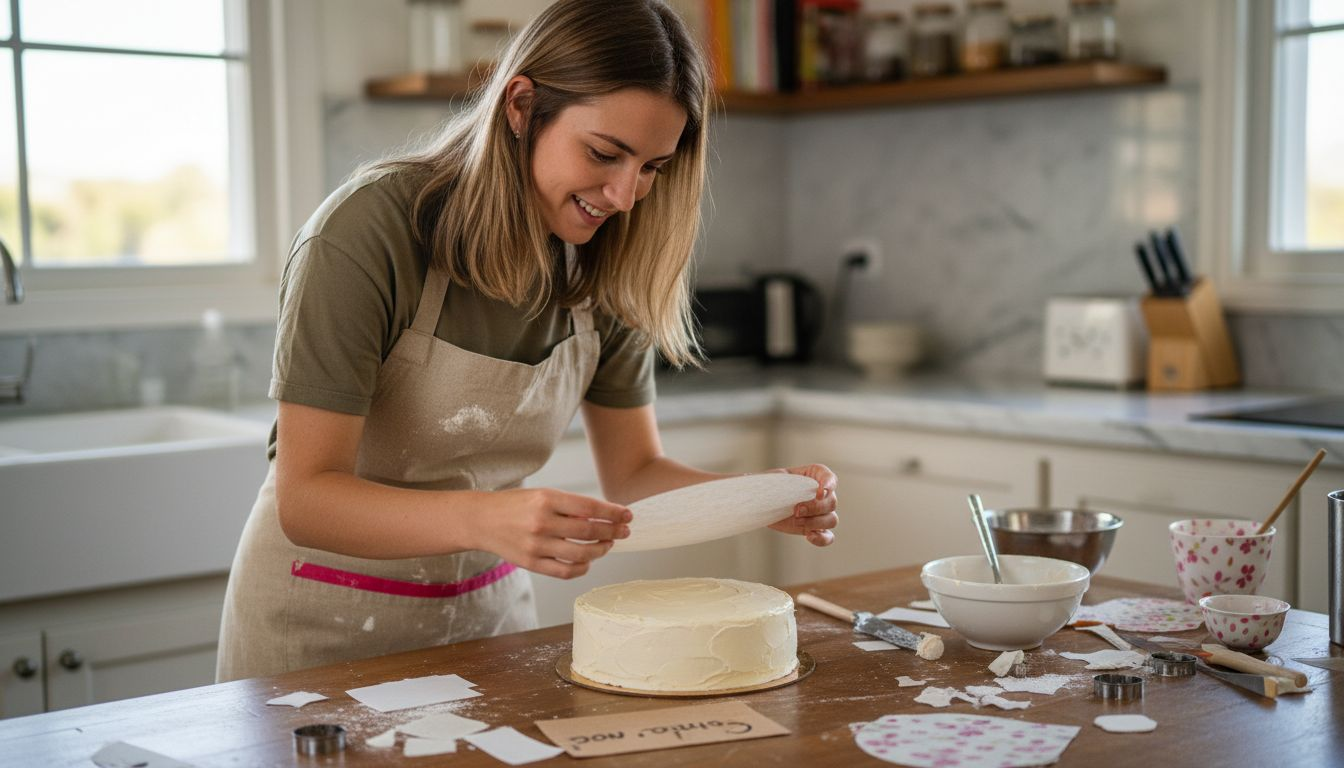
Every children's birthday in Central Europe presents the challenge of surprising the little ones with a truly special cake. Parents look for original and safe options that reflect their children's tastes and personalities. Edible paper transforms any dessert into a unique and personalized creation, thanks to its natural origin and its ability to display designs, photos, or text on cakes, cookies, and cupcakes.
Table of Contents
- What is edible paper and how is it used
- Main types: wafer and sugar paper
- Creative uses in cakes and children's celebrations
- Personalization: custom designs, photos, and text
- Food safety and regulations in Central Europe
Key Conclusions
| Point | Details |
|---|---|
| Use of Edible Paper | Ideal for decorating desserts, it allows you to personalize and transform cakes into culinary works of art. |
| Types of Edible Paper | The main types are wafer and sugar paper, each with unique characteristics and applications in baking. |
| Personalization and Themes | It allows you to incorporate unique designs, photos, and names, turning desserts into special memories. |
| Food Safety | It is crucial to check quality certification and regulations to ensure the safety of edible paper. |
What is edible paper and how is it used
Edible paper is an innovative and versatile material developed specifically for creative baking. It is a product made with completely natural ingredients suitable for human consumption, such as seaweed, rice paper, or starch-derived compounds, designed to decorate desserts in a unique and personalized way.
The main uses of edible paper include:
- Decoration of cakes and pastries
- Printing of personalized designs
- Adding flavored decorative elements
- Creating printable surfaces for images and text
This material allows bakers to transform their creations into true culinary works of art. Edible sheets can be applied to various desserts, such as cakes, cookies, and cupcakes, providing not only an attractive visual appearance, but also an additional touch of flavor.
Main characteristics of edible paper:
- Completely edible and safe
- High printing capacity
- Smooth and delicate texture
- Available in multiple flavors and colors
The process of use is simple: the paper is cut according to the desired design and placed directly on the dessert, integrating perfectly with the surface of cream, fondant, or chocolate.
Professional tip: To achieve the best results, make sure the surface of the dessert is smooth and dry before placing the edible paper.
Main types: wafer and sugar paper
In the world of creative baking, there are two main types of edible paper that offer unique decoration possibilities: wafer and sugar paper. Traditional wafer is made with flour and water, cooked between metal molds to achieve a thin and crispy texture.
Characteristics of wafer:
- Delicate and crispy texture
- Traditional preparation
- Ideal for covering cakes and desserts
- Handcrafted preparation method
On the other hand, sugar paper stands out for its composition and versatility. It is mainly made with sugar and starch, allowing detailed prints thanks to its white and smooth surface. Rice paper, another edible type, stands out for its flexibility and resistance, adapting easily to different decorative shapes.
Main differences between wafer and sugar paper:
- Wafer: crispy texture, made with flour
- Sugar paper: smooth surface, sugar base
- Rice paper: flexible and versatile
Both types of edible paper allow bakers to create surprising decorations, personalizing desserts with unique designs and detailed prints.
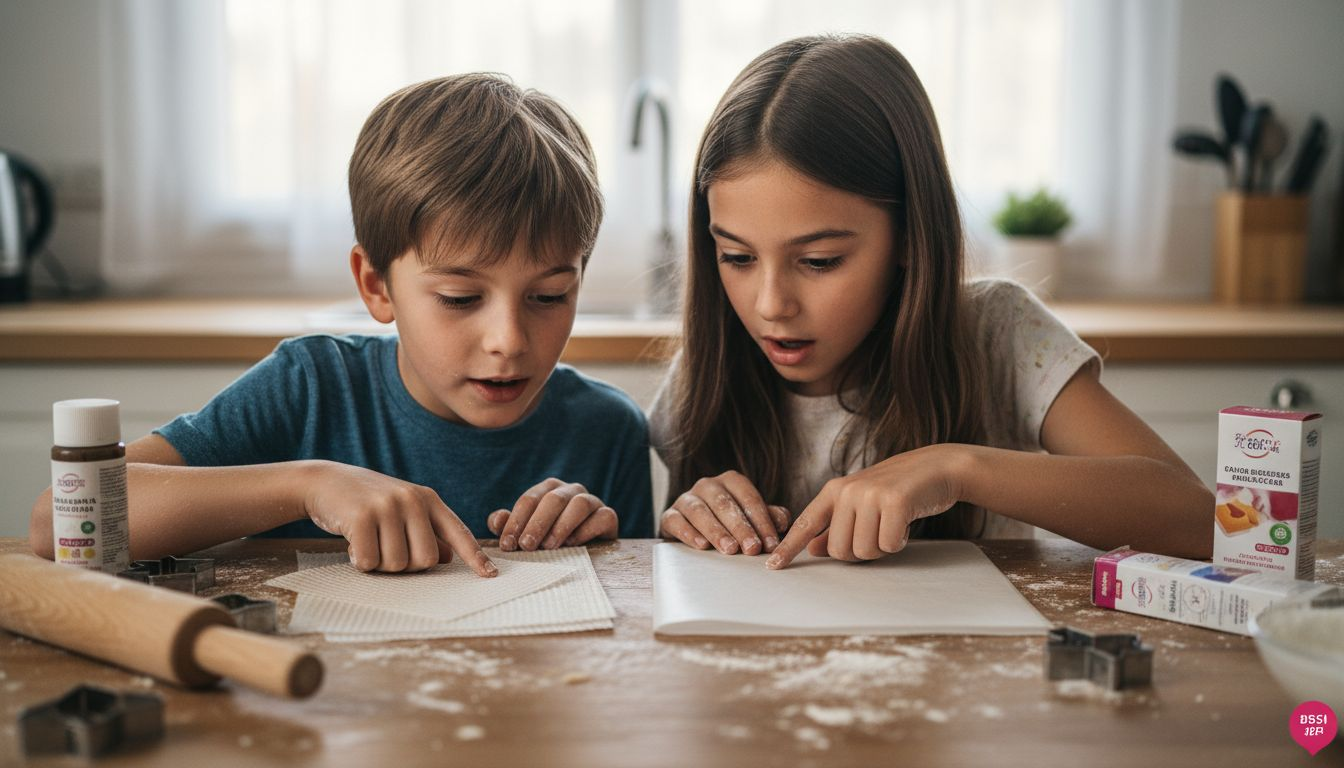
Below is a summary of the differences and applications of the main types of edible paper:
| Paper type | Standout feature | Best use in baking | Recommended for |
|---|---|---|---|
| Wafer | Thin and crispy texture | Covering cakes and decorating edges | Traditional and artisanal desserts |
| Sugar paper | Smooth surface and great sharpness | Printing detailed images | Custom design and special events |
| Rice paper | Flexibility and resistance | Various decorative shapes | Creative desserts, figures, and flowers |
Professional tip: Choose the type of edible paper according to the texture and decorative effect you want to achieve in your dessert.
Creative uses in cakes and children's celebrations
Edible paper has become an essential tool for parents and bakers looking to create unique experiences in children's celebrations. Decoration with edible paper allows you to incorporate colorful and themed designs that transform a simple dessert into a personalized work of art.
Most popular creative uses:
- Cakes with designs of favorite characters
- Decorations with children's movie motifs
- Reproductions of cartoon scenes
- Personalization with names and ages
In children's celebrations, edible paper is used to integrate flavors and themed topics, allowing you to create desserts that are not only visually attractive, but also completely personalized. Children can enjoy cakes with their superheroes, cartoon characters, or themes of their favorite hobbies.
Personalization possibilities:
- Superhero images
- Sports designs
- Movie scenes
- Pets and animals
- Hobbies and pastimes
The versatility of edible paper allows every celebration to be unique, turning a cake into a special and memorable memory for the little ones.
Professional tip: Combine different decoration techniques with edible paper to create a more striking and surprising visual effect.
Personalization: custom designs, photos, and text
The personalization of edible paper represents an innovative trend in baking, allowing you to create truly unique and memorable gastronomic experiences. Today's consumers look for products that reflect their personal identity and celebrate special moments with exclusive designs.
Available personalization options:
- Family photographs
- Names and special dates
- Corporate logos
- Themed designs
- Personalized illustrations
Academic studies confirm that personalization creates a special emotional bond, turning every dessert into a meaningful experience. Specialized food printing allows you to transform any creative idea into a high-quality visual edible design.
Personalization process:
- Selection of the type of edible paper
- Definition of the design or image
- Preparation of the digital file
- Printing with food inks
- Application on the dessert
Every detail counts: from a family photo to a personalized message, edible paper offers endless possibilities to turn a simple dessert into an unforgettable memory.

Professional tip: Make sure to use high-resolution images to achieve a sharp and high-quality print on your edible paper.
Food safety and regulations in Central Europe
Food safety in the European Union establishes strict standards to ensure that materials such as edible paper meet the highest standards of quality and safety. These regulations directly protect consumers, ensuring that the products used in baking do not pose any risk to health.
Main regulated aspects:
- Chemical composition of materials
- Substance migration limits
- Toxicity tests
- Conditions of use and handling
- Labeling and traceability
Regulation (EU) No 10/2011 defines the specific requirements for materials in contact with food, establishing precise criteria that edible papers used in baking must meet. This includes:
Fundamental requirements:
- Absence of harmful substances
- Certification of safe materials
- Control of production processes
- Detailed technical documentation
- Continuous risk assessment
Manufacturers must guarantee that every component of the edible paper is completely safe and complies with the most demanding European regulations.
These key regulations guarantee the safety of edible paper in Europe:
| Regulation | Regulated aspect | Impact for consumers |
|---|---|---|
| Regulation (EU) No 10/2011 | Materials in contact with food | Safe and reliable use in baking |
| Quality certification | Composition and manufacturing process | Reduction of toxic risks |
| Labeling and traceability | Product information | Identification and control of origin |
Professional tip: Always request the food safety certificates when buying edible paper to be certain of its quality and safety.
Discover how to transform your desserts with personalized edible paper
If you are looking to give a unique and creative touch to your cakes and celebrations, the key is to choose the ideal edible paper. Whether wafer, sugar paper, or rice paper, personalization is the challenge to achieve designs that truly stand out, combining flavor and aesthetics safely and professionally.
At Funbakery, we offer a wide variety of options to decorate your desserts with high-quality personalized designs. From wafer for cakes | a wide variety of toppers, to creations with children's characters and special themes such as superheroes or sports. Our specialized service allows you to add names, dates, and photographs so that every detail reflects that special occasion.

Don't wait any longer to surprise everyone with desserts that tell stories and emotions. Visit https://funbakery.es and choose the perfect option to combine creativity, flavor, and food safety in your next celebration. Transform any cake into the center of attention with incredible custom-made decorations and the quality that only Funbakery guarantees.
Frequently Asked Questions
What is edible paper and what makes it special?
Edible paper is an innovative and safe material for decorating desserts, made with natural ingredients such as seaweed or starch. It allows you to personalize cakes and other sweets with flavor and great creative potential.
What are the most common types of edible paper?
The main types of edible paper are wafer and sugar paper. Wafer is crispy and thin, ideal for covering cakes, while sugar paper has a smooth surface that allows detailed prints.
How is edible paper used in baking?
Edible paper is cut according to the desired design and placed directly on the desserts. It is essential that the surface of the dessert is smooth and dry for better adhesion.
Is it safe to consume edible paper and what regulations exist?
Yes, edible paper is safe for human consumption. In Europe, its composition and safety are regulated through strict standards, ensuring that it does not contain harmful substances and meets high quality standards.