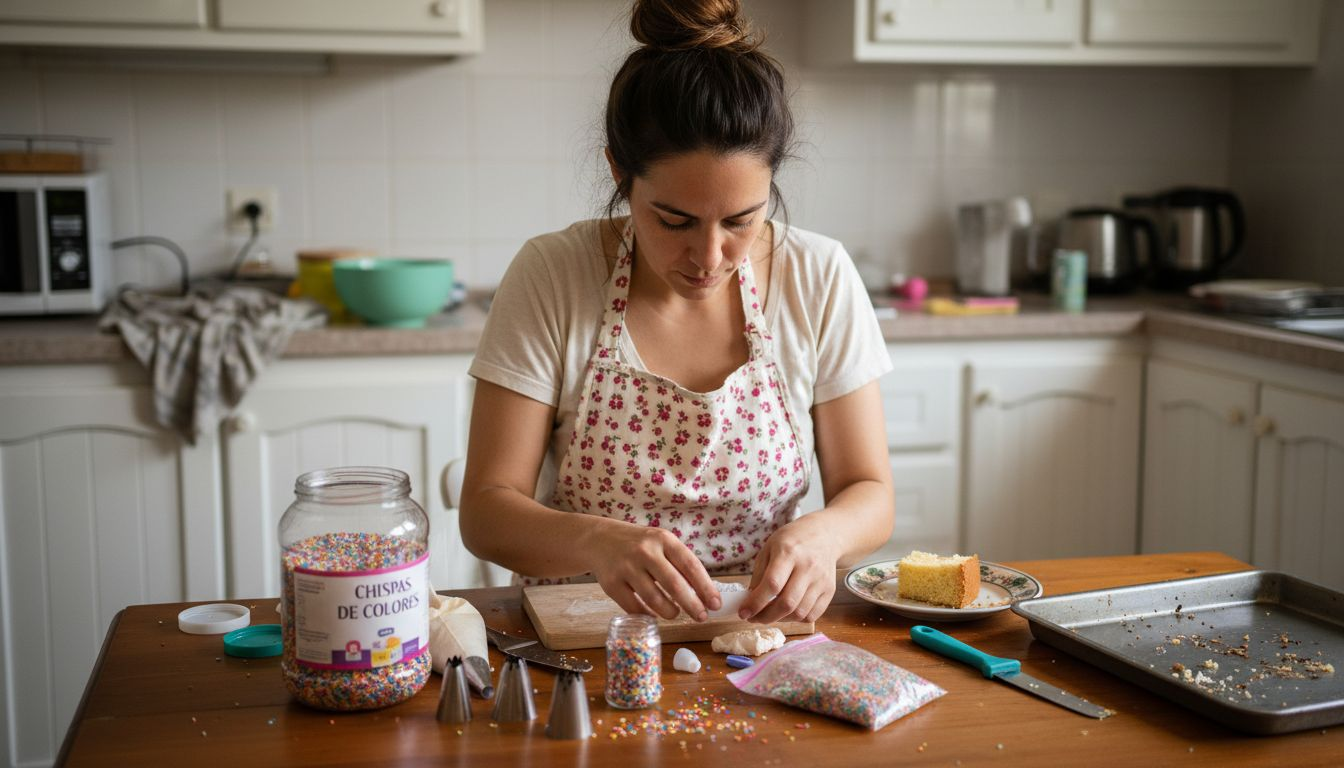
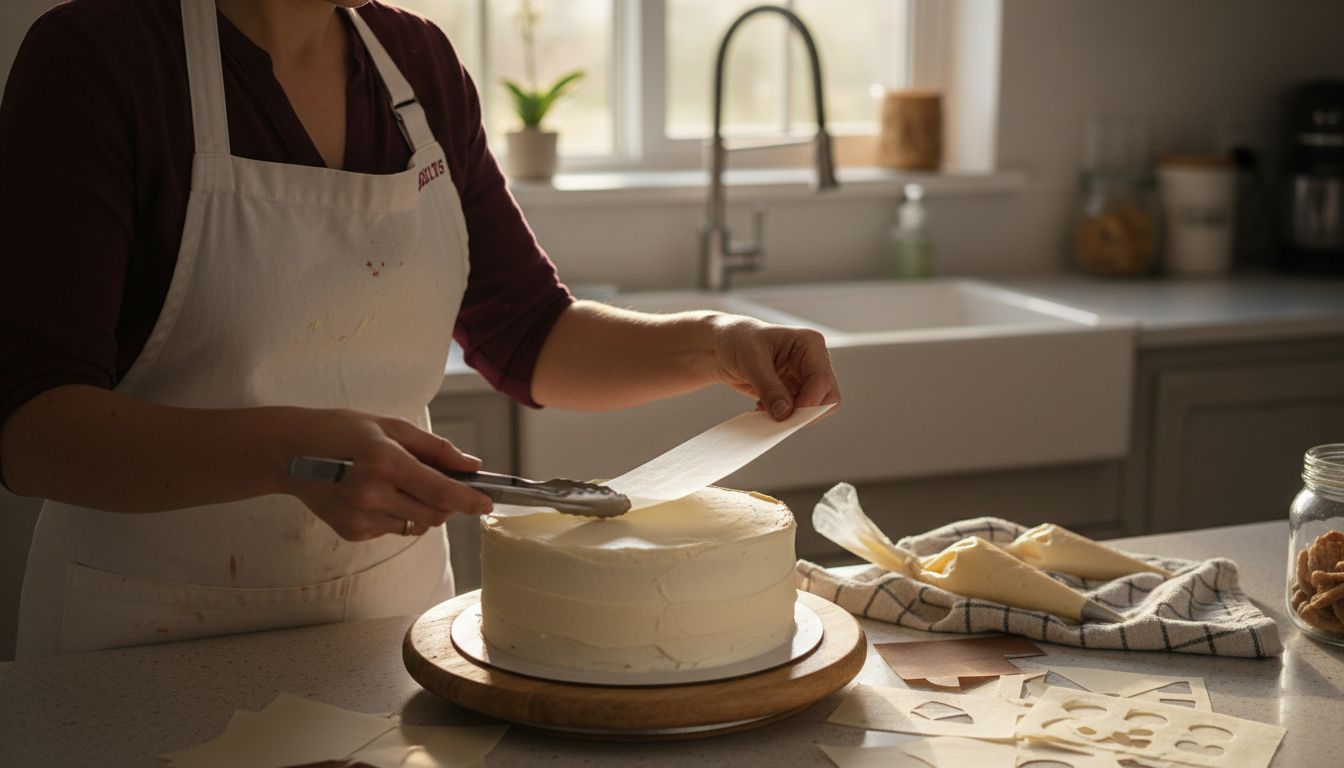
Preparing a unique cake for a children's birthday in Germany or Austria can be an exciting challenge for parents looking to surprise with creativity. Choosing between personalized edible decoration such as edible paper and fondant allows you to transform any cake into the visual centerpiece of the celebration. In addition to adding color and detail, each technique offers different possibilities to reflect tastes and favorite characters, helping to create lasting memories at every party.
Table of Contents
- Edible paper and fondant: key concepts
- Main types and available variants
- Features, applications and customization
- Food safety and legal requirements
- Cost comparison and common mistakes
Summary of Key Points
| Point | Details |
|---|---|
| Use of Fondant | Fondant is ideal for creating three-dimensional figures and completely covering cakes. Its malleable texture allows for high customization. |
| Advantages of Edible Paper | Edible paper is perfect for sharp photographic prints and quick applications on smooth surfaces. Ideal for complex designs. |
| Responsible Consumption | It is crucial to check the food safety certifications of decorative products to ensure consumer health. |
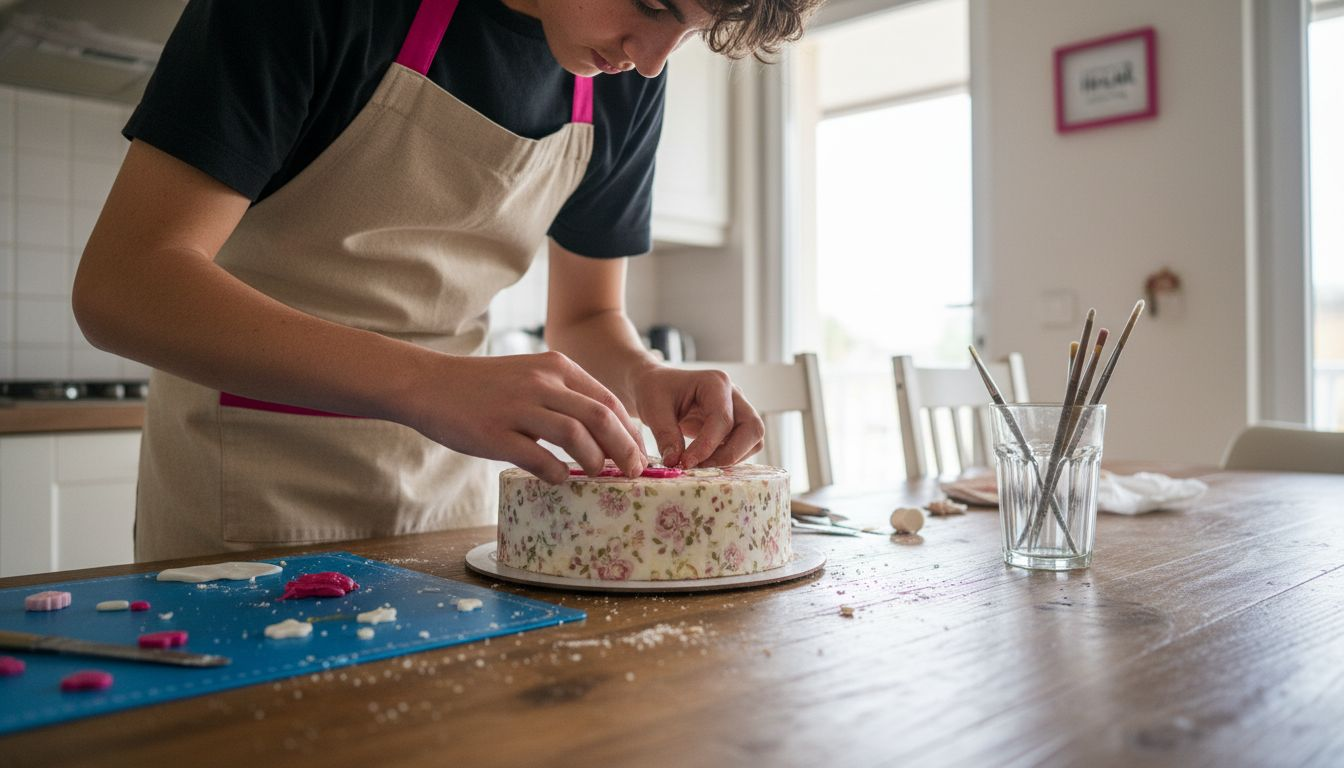
| Creative Utilization | Combining edible paper and fondant can result in unique and surprising decorations, enhancing the presentation of desserts. |
Edible paper and fondant: key concepts
Decorative elements in baking have evolved significantly, presenting two fundamental techniques for personalizing cakes: edible paper and fondant. Each offers unique features that allow you to transform desserts into true masterpieces for special celebrations.
Fondant, an edible paste similar to modeling clay, has become an essential tool for decorators. Its crystallization process involves complex thermodynamic principles that determine its texture and consistency. It comes from French and literally means “that melts,” referring to its property of melting subtly in the mouth.
Main features of these decorative elements:
-
Edible paper:
- Thin and flexible
- High-definition image printing
- Ideal for precise photographic designs
- Easy application on smooth surfaces
-
Fondant:
- Malleable texture like modeling clay
- Allows modeling three-dimensional figures
- Completely covers cakes
- Colored and shaped as needed
Both techniques share a common goal: to enhance the visual and gustatory experience of desserts on special occasions. The choice between edible paper and fondant will depend on the decoration style, design complexity, and desired final effect.
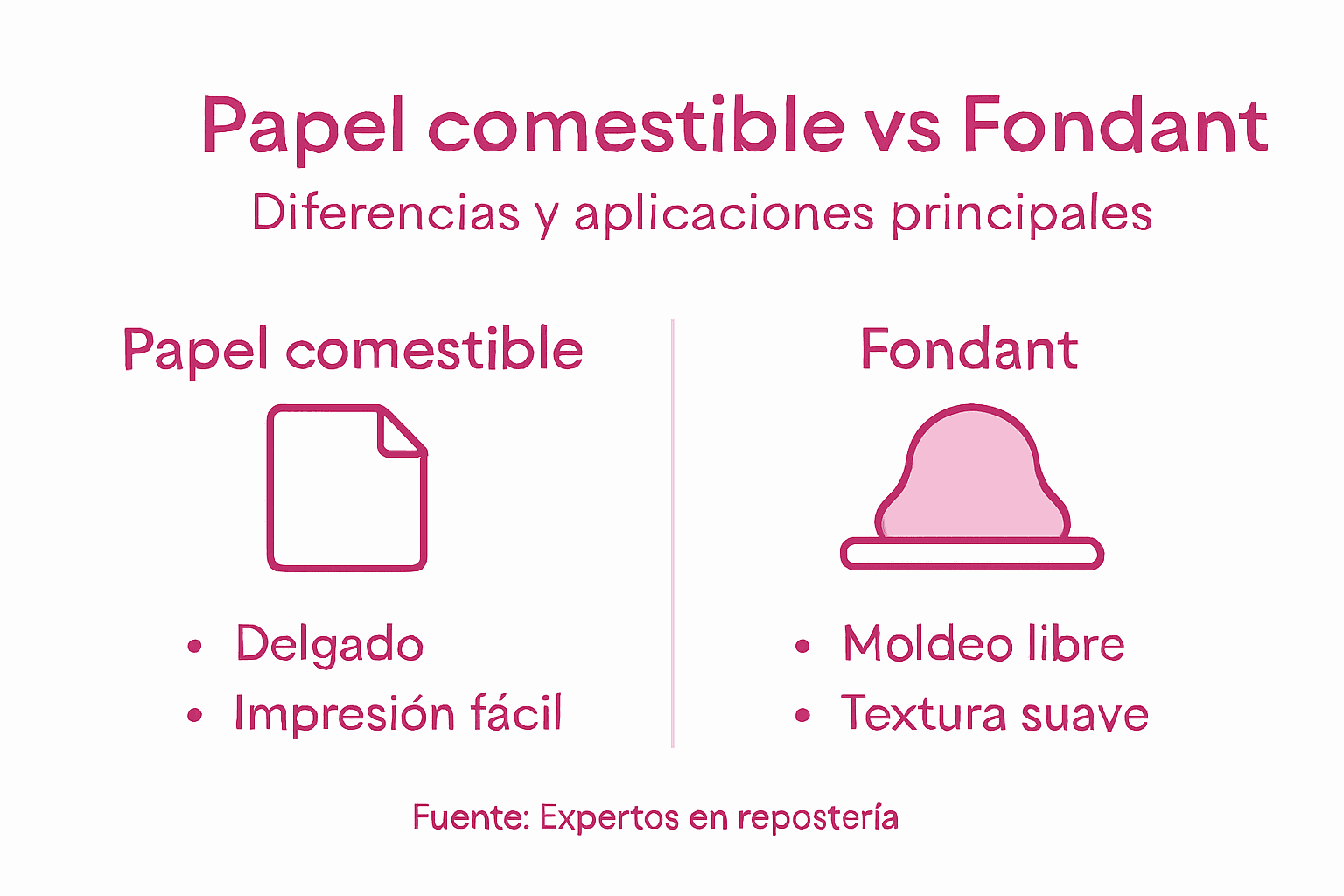
Professional tip: Experiment by combining edible paper and fondant to create truly unique decorations that will surprise your guests.
Main types and available variants
Cake decoration has diversified its options with multiple types of edible paper and fondant, allowing bakers and enthusiasts to create increasingly sophisticated and personalized designs. Commercial variants of fondant offer creative solutions for different styles and decoration needs.
Fondant presents various modalities that expand its possibilities of use:
-
Liquid fondant:
- Ideal for shiny glazes
- Smooth and even application
- Perfect for delicate coatings
- Fluid and controllable texture
-
Rolled fondant:
- Dough-like texture
- Allows completely covering cakes
- Facilitates the creation of decorative figures
- Customizable colors and textures
-
Fondant powder:
- Dehydrated format
- Easy storage
- Ideal for quick preparations
- Requires prior hydration
On the other hand, edible paper also presents interesting variants that allow for high customization of desserts:
- Standard edible paper
- Edible photo paper
- Edible metallic paper
- Textured sugar paper
Each variant responds to specific decoration needs, offering alternatives for different levels of complexity and creativity in baking.
The key is to experiment and find the technique that best suits your style and specific project.
Professional tip: Combine different types of edible paper and fondant to create unique and surprising visual effects on your cakes.
Features, applications and customization
Decorative elements such as edible paper and fondant represent true artistic canvases for creative bakers. Cake painting techniques allow you to transform a simple cake into a completely personalized work of art.
Fondant, composed mainly of sugar and stabilizers, offers unique features that make it a versatile material for decoration:
-
Physical properties:
- Elastic and malleable texture
- Smooth and even surface
- High molding capacity
- Resistance to moderate temperatures
-
Creative applications:
- Completely covering cakes
- Creating three-dimensional figures
- Designing decorative elements
- Reproducing complex textures
-
Customization techniques:
- Deep coloring
- Modeling figures
- Texturing
- Edible painting
- Applying reliefs
Edible paper complements these possibilities, offering unique alternatives for customization:
To help you choose the most suitable decorative material, review this comparison of applications and results:
| Main application | Fondant | Edible paper |
|---|---|---|
| Best for | 3D figures, coating | Sharp image printing |
| Visual result | Handcrafted and even finish | Photographic effects and details |
| Work time | Prolonged, laborious | Fast and efficient |
| Degree of customization | Very high with manual modeling | High with digital design |
- Printing photographs
- Reproducing complex designs
- Applying detailed images
- Precise visual effects
The true magic of decoration is in combining techniques and materials to create unique visual experiences.
Professional tip: Experiment by mixing fondant and edible paper techniques to achieve truly innovative and surprising designs.
Food safety and legal requirements
Food safety in edible decorations is a critical aspect involving multiple legal and sanitary considerations. European regulations on edible products establish strict requirements to ensure consumer protection.
Decorative elements such as edible paper and fondant must meet specific safety standards:
-
Composition requirements:
- Certified ingredients
- Absence of toxic components
- Complete allergen declaration
- Traceability of raw materials
-
Labeling regulations:
- Clear nutritional information
- Indication of origin
- Expiration date
- Storage conditions
-
Fundamental legal aspects:
- Compliance with sanitary regulations
- Food certifications
- Quality control
- Official documentation
In the European Union, every edible product must guarantee maximum safety for the consumer.
To guarantee the safety of these decorative elements, it is essential to verify:
This quick guide summarizes the essential requirements in food safety:
| Legal requirement | Importance for the user | Example to check |
|---|---|---|
| Ingredient certification | Avoids health risks and allergies | Official product label |
| Allergen declaration | Protection of sensitive people | Clear list on the packaging |
| Expiration date | Safe and responsible consumption | Date visible on the package |
| Storage conditions | Maintains quality and safety of the decoration | Storage instructions |
- Official certifications
- Origin of the ingredients
- Production processes
- Handling conditions
Professional tip: Always request the food safety certificates from the supplier before using any edible decoration.
Cost comparison and common mistakes
When choosing between edible paper and fondant for cake decorations, costs and possible mistakes play a fundamental role in the final decision. Common mistakes in decoration can significantly impact the aesthetic and economic result of a project.
Direct cost comparison:
-
Edible paper:
- More economical cost
- Lower initial investment
- Fast and simple printing
- Less material waste
-
Fondant:
- Higher production cost
- Requires investment in tools
- More specialized materials
- More preparation time
Common mistakes to avoid:
-
With edible paper:
- Moisture problems
- Poor adhesion
- Poor image resolution
- Fragility in extreme conditions
-
With fondant:
- Cracks during molding
- Air bubbles
- Poor adhesion between pieces
- Deformations due to temperature
The correct choice depends on the budget, the design complexity, and the decorator's experience.
Additional factors to consider:
- Decorator's skill level
- Type of event
- Specific design
- Environmental conditions
- Available budget
Professional tip: Always perform a prior test with small quantities to evaluate the technique and minimize possible mistakes.
Elevate your celebrations with decorations that make the difference
The article highlights a common challenge in cake decoration: choosing between edible paper and fondant to achieve a spectacular and personalized finish. We know you are looking for a balance between visual quality and practicality, and that you are interested in both the photographic precision of edible paper and the moldable versatility of fondant. At Funbakery we understand that every detail counts and that is why we offer solutions that combine art, personalization, and ease of use to transform your celebrations into unforgettable moments.

Discover our wide range of personalized edible paper and sugar paper with popular themes that include everything from Fortnite to children's characters like Frozen. In addition, our personalized design service allows you to incorporate unique images, names, and texts so that each cake is an exclusive and professional creation. Do not miss the opportunity to surprise your guests with decorations that combine the sharpness of edible paper and the creativity of fondant. Visit Funbakery now and transform every celebration into a visually striking and delicious experience.
Frequently asked questions
What is the main difference between edible paper and fondant?
Edible paper is thin and flexible, ideal for printing images and photographic designs, while fondant is a malleable paste that is used to cover cakes and model three-dimensional figures.
What type of decorations can be made with edible paper?
With edible paper, precise photographic designs and visual details can be created on cakes, making it ideal for sharp image printing and visual effects.
What are the most common mistakes when working with fondant?
Common mistakes when using fondant include cracks during molding, air bubbles, poor adhesion between pieces, and deformations due to temperature changes.
Is the use of edible paper and fondant in cakes safe?
Yes, as long as the products meet food safety requirements, including ingredient certification and allergen declaration.