The custom edible paper market has grown by up to 7% annually in Europe, especially for parties and events. Many people still have questions about the safety and proper use of these products. This guide will explain everything you need to know to use edible paper with confidence at your celebrations, from its composition to best practices for storage and customization.
Table of Contents
- What is edible paper? Concept and uses
- Food safety and regulations in the European Union and Portugal
- Types of edible paper: technical differences and application
- Safe customization and printing on edible paper
- Practical aspects: application, storage, and shelf life
- Main mistakes and myths to avoid when using edible paper
- Advantages and limitations of edible paper at parties and events
- Discover Funbakery's custom edible paper options
- Frequently asked questions about edible paper
Key Points
| Point | Details |
|---|---|
| Certified safety | Edible paper is safe when certified in accordance with applicable European regulations. |
| Variety of types | There are several types with different properties: rice, sugar, and wafer paper for specific uses. |
| Approved printing | Printing must use approved food-grade inks to ensure complete safety. |
| Correct application | Correct application and storage are crucial for durability and quality. |
| Avoid confusion | Avoid using regular paper and pay attention to allergens and ideal storage conditions. |
What is edible paper? Concept and uses
Edible paper is a decorative material made from food ingredients approved for human consumption. Its composition varies by type, but generally includes starch, sugar, water, and natural stabilizers. This product has revolutionized confectionery by enabling detailed, personalized decorations that are impossible with traditional techniques.
Edible paper includes types such as rice paper, sugar paper (fondant), and wafer paper, used for cake decoration. Its applications are vast and creative:
- Birthday cake decoration with personalized characters and photos
- Themed cupcakes for children's parties and corporate celebrations
- Cookies decorated with intricate designs and vibrant colors
- Personalized sweets for weddings and baptisms with professional elegance
The three main types have distinct characteristics. Rice paper is thin and translucent, ideal for delicate applications. Sugar paper offers more vibrant colors and superior adhesion on iced surfaces. Wafer paper is stiffer and works well for decorations that require structure. Each type serves specific purposes depending on the cake's texture and the desired visual effect.
The correct choice depends on the event, environmental conditions, and the type of cake icing. Knowing these differences ensures professional results and prevents waste.

Food safety and regulations in the European Union and Portugal
European legislation establishes strict standards for materials in contact with food. EU Regulation 1935/2004 is the legal basis that guarantees the safety and chemical inertness of edible papers. This regulation requires manufacturers to demonstrate the absence of harmful substances migrating into food.
Good manufacturing practices specifically reduce the migration of harmful substances, in accordance with Regulation 2023/2006. Certified manufacturers follow strict production and testing protocols. Compliance with edible paper safety legislation is mandatory for legal sale.
Critical safety points include:
- Certification of origin and compliance with European food safety standards
- Clear labeling identifying ingredients and any potential allergens present
- Complete traceability from raw materials to the finished product
- Regular laboratory testing for chemical and microbiological contaminants
The difference between certified edible paper and regular paper is fundamental to health. Regular paper contains bleaching chemicals, toxic inks, and industrial additives never intended for human consumption. Using non-certified paper poses a serious risk of poisoning.
Proper labeling protects consumers with food allergies and ensures full transparency regarding the product's composition.
Always check certificates of conformity before buying. Reputable suppliers provide complete documentation on safety tests and regulatory approvals.
Types of edible paper: technical differences and application
Rice, sugar, and wafer papers have distinct compositions, textures, and resistances, recommended for specific uses in confectionery. Understanding these technical differences helps guide the right choices for each type of decoration.
| Type | Composition | Texture | Best use |
|---|---|---|---|
| Rice paper | Rice starch, water, salt | Thin, translucent, delicate | Subtle decorations on buttercream cakes |
| Sugar paper | Sugar, water, corn starch | Thick, opaque, flexible | Color prints on fondant or ganache |
| Wafer paper | Flour, starch, water | Stiff, crisp, structured | Decorations with support on dry cakes |
Rice paper absorbs moisture quickly, making application on very wet icings problematic. Its translucency allows the icing color underneath to show through, which can affect light colors. It is ideal for artistic effects and decorations that require visual lightness.
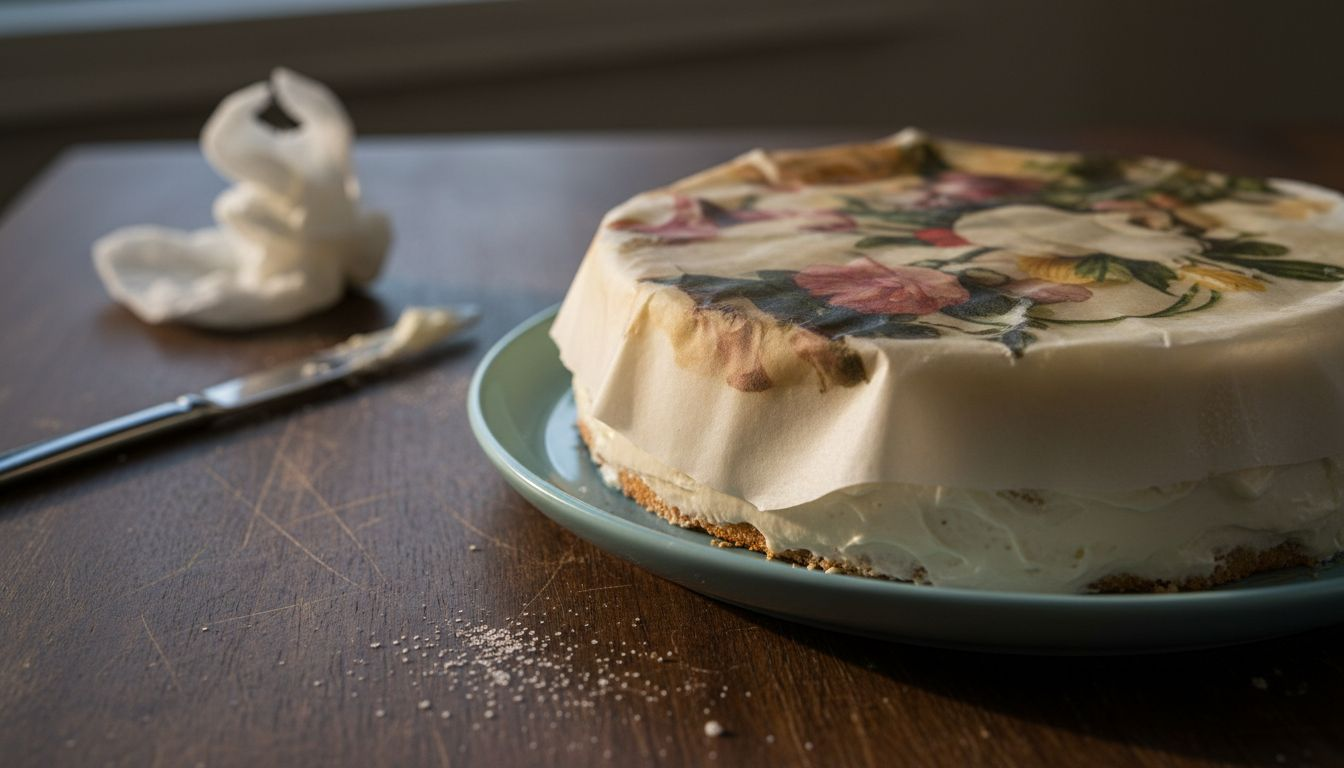
Sugar paper offers complete opacity and vibrant colors. Its thickness makes it easier to handle without tearing. This type adheres best to fondant and creamy icings, making it the preferred choice for a guide to using sugar paper at professional parties.
Wafer paper provides rigid structure for three-dimensional decorations. It resists the elements better without wilting, but can become too hard in dry environments. It is perfect for cookies and surfaces that do not require flexibility.
Professional Tip: Choose sugar paper for outdoor events or hot days, as it resists ambient moisture better than rice paper. For parties in controlled environments, rice paper offers a more elegant and discreet finish.
Moisture resistance varies significantly between types. Always test a sample before the main event to check compatibility with the chosen icing.
Safe customization and printing on edible paper
Customization transforms ordinary edible paper into unique works of art. The process requires specialized equipment and inks approved for human consumption. Approved food inks and fast oxidation drying guarantee safety and professional results on edible paper.
The main techniques include inkjet printing with food cartridges and manual airbrushing with certified dyes. Printers dedicated exclusively to food inks prevent cross-contamination with conventional chemical inks.
Steps for safe customization:
- Select edible paper compatible with your printer or a specialized professional service
- Check that food inks have a valid European certification for use in food
- Prepare a high-resolution design (minimum 300 dpi) to avoid pixelation in the print
- Perform a test print on regular paper before using valuable edible paper
- Allow it to dry completely for 15 to 30 minutes in a dry environment before handling
- Store prints in airtight packaging protected from light and moisture until application
Food inks contain EFSA-approved dyes and glycerin as a solvent. Their composition guarantees bright colors without compromising safety. Safe edible photo paper requires superior quality inks for faithful image reproduction.
Proper drying is crucial. Wet inks smudge on contact and can dissolve the paper. A controlled-humidity environment accelerates drying without creating bubbles or warping. Gentle fans help, but avoid direct heat, which can deform the paper.
Professional services like Funbakery guarantee consistent quality and eliminate the risk of error. For important events, professional expertise is worth the investment.
Practical aspects: application, storage, and shelf life
Application should avoid greasy surfaces and excessive moisture to ensure good adhesion and durability of the edible paper. The correct technique preserves visual integrity and prevents unsightly bubbles or wrinkles.
Ideal application conditions include an ambient temperature between 18 and 22 degrees Celsius and relative humidity below 60%. Surfaces should be slightly damp but never soaked. A thin layer of simple syrup or food gel facilitates adhesion without saturating the paper.
Precautions during application:
- Handle the paper only by the edges to avoid fingerprints and accidental tears
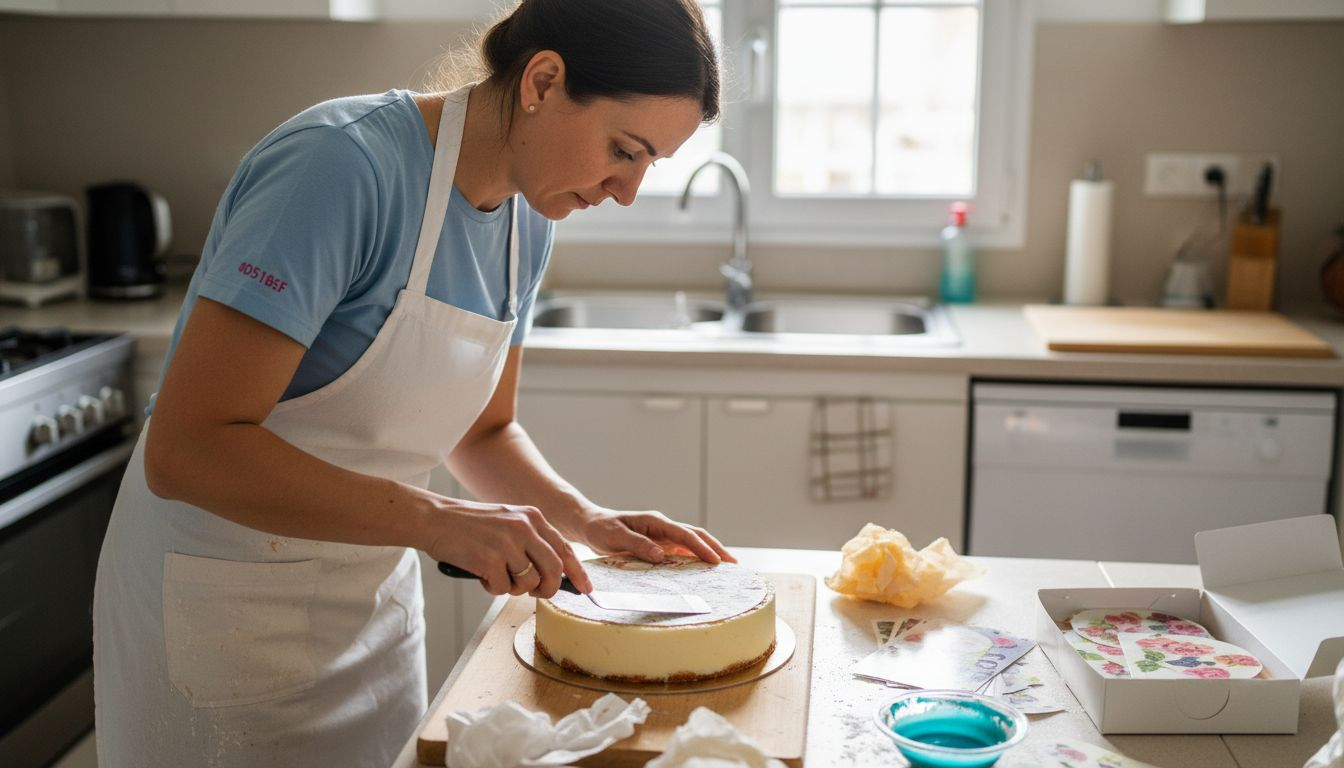
- Smooth it gently from the center outward using a clean, dry spatula
- Avoid applying it over fillings that migrate moisture, such as dulce de leche or very liquid creams
- Protect it from direct sunlight, which can fade colors in minutes
Proper storage significantly extends shelf life. Keep unused paper in its sealed original packaging. Shelf life varies from 6 months to 1 year if stored in a cool, dry place protected from light. Refrigeration is not recommended because condensation upon removal damages the paper irreversibly.
Professional Tip: Apply edible paper no more than 24 hours before the event to ensure freshness and perfect adhesion. Refrigerated cakes must reach room temperature before application to prevent condensation that dissolves the paper.
Already applied papers maintain their quality for 2 to 3 days if the cake is stored correctly. Cake boxes in a cool, dark environment protect the decoration. Guidelines for using sugar paper detail advanced preservation techniques.
Always inspect the paper before use. Discoloration, a sticky texture, or a strange smell indicate deterioration, and the product should be discarded.
Main mistakes and myths to avoid when using edible paper
Not all printed paper can be eaten; regular paper may contain toxic chemicals that are not suitable for consumption. This dangerous confusion puts the health of guests at serious risk. Conventional photo paper, printer paper, and culinary parchment paper are not interchangeable with certified edible paper.
Some edible papers may contain allergens and must have clear labeling to prevent adverse reactions. Wheat starch in wafer paper poses a risk to celiacs. Always checking ingredients protects guests with dietary restrictions.
Common mistakes that compromise results:
- Applying paper to cakes fresh from the oven that are still too hot
- Storing open paper in kitchen drawers with fluctuating humidity
- Using home printers with conventional non-food chemical inks
- Refrigerating edible paper believing it extends shelf life
Popular myths debunked include the belief that all rice paper is edible. Rice paper for spring rolls has a different composition and should not be used on cakes. Another common myth claims that edible paper has no taste, but depending on its composition, it may have a slight sweet or neutral flavor.
The safety of edible paper depends entirely on proper certification and use according to the manufacturer's instructions.
Some organizers mistakenly believe they can make homemade edible paper with non-certified materials. This process requires industrial equipment and quality control impossible in a domestic environment. The risks of allergens in edible paper increase dramatically with non-professional preparations.
Always buy from certified suppliers who provide complete documentation. The apparent savings on questionable products do not compensate for the risks to the health and reputation of your event.
Advantages and limitations of edible paper at parties and events
The European market has seen 5 to 7% growth in custom edible paper, driven by sustainability and personalization. This trend reflects a shift in consumer priorities, valuing eco-friendly and unique products.
Main advantages include unlimited customization impossible with traditional techniques. Photographs, corporate logos, and complex designs make each cake truly unique. Sustainability also attracts conscious consumers, as edible paper eliminates waste from non-edible plastic decorations.
The aesthetic appeal is incomparable. Vibrant colors and precise details create a memorable visual impact. For corporate events and sophisticated weddings, edible paper conveys professionalism and attention to detail.
Technical limitations exist and should be considered:
| Aspect | Edible paper | Traditional fondant | Whipped cream |
|---|---|---|---|
| Customization | Unlimited with printing | Limited to manual modeling | Very limited |
| Heat resistance | Low, melts above 25°C | Medium, withstands room temperature | Low, requires refrigeration |
| Moisture resistance | Varies by type | High | Very low |
| Sustainability | High, fully edible | Medium, frequently discarded | High, natural |
| Cost | Medium to high | Medium | Low |
Outdoor events on hot days present challenges. High humidity makes rice paper wilt quickly. Sugar paper resists better but may eventually soften. Careful planning of assembly and display timing mitigates these risks.
Real cases demonstrate versatility. A wedding in Lisbon used edible paper with a photo of the couple on 200 individual cupcakes, creating an impressive visual effect. A children's party in Porto incorporated favorite characters into a three-tier cake, delighting young guests.
For maximum effectiveness, combine edible paper with other techniques. Three-dimensional sugar flowers complement flat printed images. Buttercream borders elegantly frame paper decorations.
Discover Funbakery's custom edible paper options
Transforming parties into memorable experiences requires decorations that reflect the personality and theme of the event. Funbakery offers professional solutions in personalized edible paper for all celebrations.
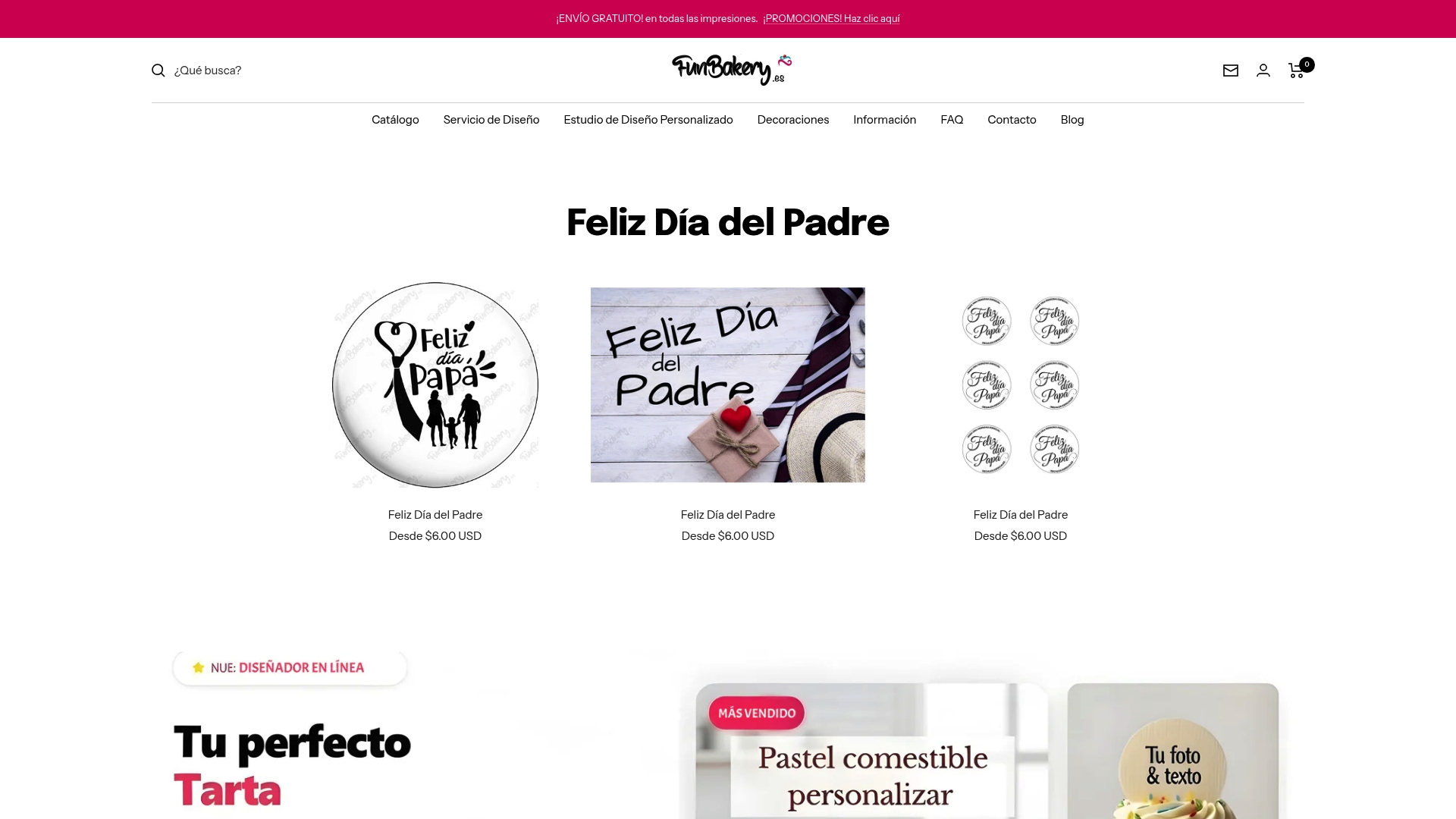
The catalog includes popular designs ranging from superheroes to elegant wedding themes. Personalized Stumble Guys edible paper and personalized Frozen edible paper exemplify the variety available for children's parties.
Certified quality guarantees complete food safety. Each product complies with strict European regulations. The custom design service allows you to create any image by incorporating photos, names, and ages for a unique finish.
Various formats meet specific needs, from circles for round cakes to rectangles for sheet cakes. Orders are processed quickly through the website, with secure shipping throughout Europe. Funbakery's practical guide to icing sheets complements purchases with detailed application instructions.
Frequently Asked Questions About Edible Paper
What types of edible paper are most commonly used on cakes?
Icing sheets and wafer paper dominate the market due to their versatility and durability. Rice paper is chosen for delicate decorations that require translucency. The choice depends on the type of cake frosting and the desired visual effect for the specific event.
How can you ensure that edible paper is safe to consume?
Check the packaging for certification of compliance with EU Regulation 1935/2004. Only buy from established suppliers that provide laboratory test documentation. The label must clearly list the ingredients and identify any potential allergens present in the composition.
How long does edible paper last after opening?
Open edible paper maintains its quality for 1 to 2 weeks if resealed in airtight packaging. Store in a cool, dry, and dark place to prevent deterioration. Moisture is the main enemy, quickly causing softening and loss of structure. Always inspect before use.
Can I apply edible paper to moist cakes?
Applying it to very moist cakes causes the paper to dissolve quickly and creates an unattractive appearance. Gently dry the surface with a clean paper towel before applying. Use a thin layer of syrup or gel for adhesion without saturating the paper. Icing sheets tolerate more moisture than rice paper.
Can regular paper replace edible paper?
Never use regular paper on food because it contains toxic chemicals not approved for human consumption. Printer paper contains bleaches and industrial inks that are dangerous. Only paper certified as edible guarantees food safety. Confusion between types can cause serious poisoning for guests.