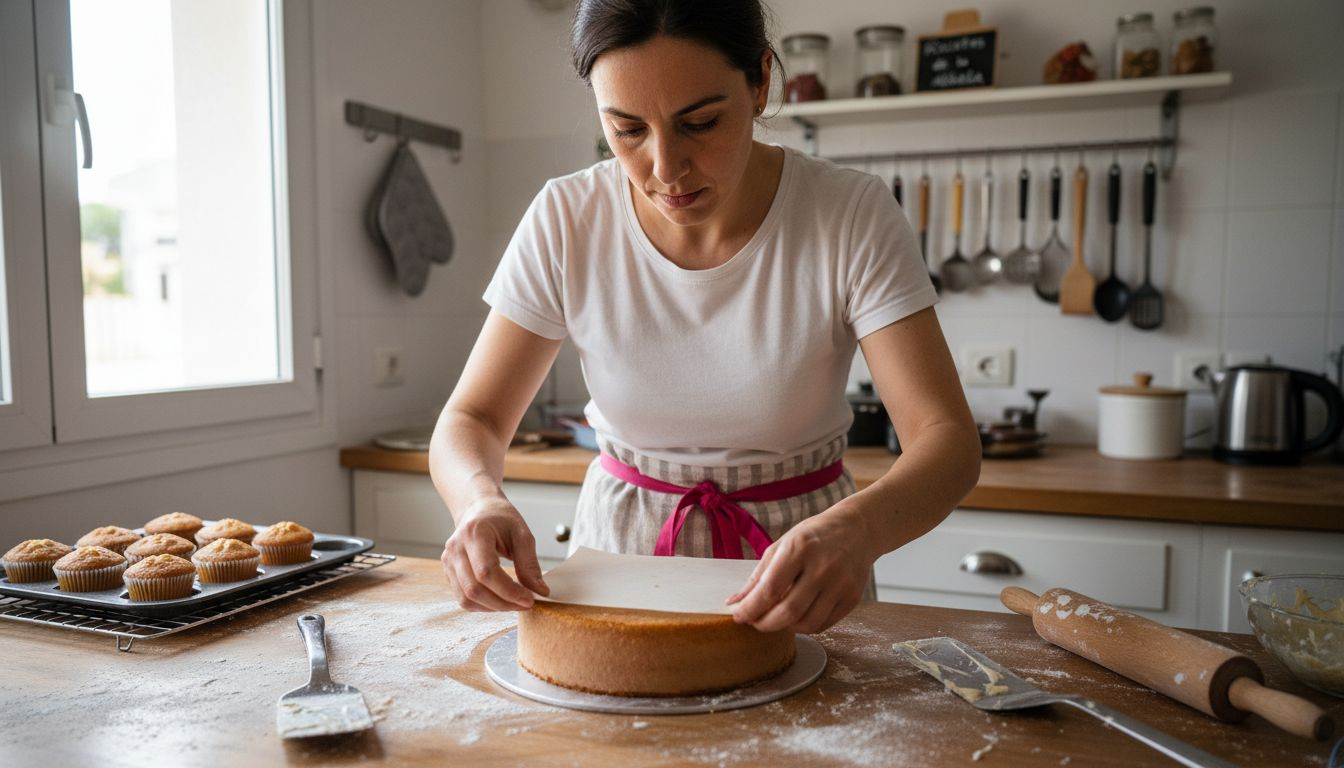
Finding a way to make children's birthdays even more special is a challenge for many parents in Central Europe. Personalized edible cupcake paper emerges as a creative solution, allowing any cake to be transformed into a true visual celebration without compromising food safety. Composed of starch, sugar, and other substances approved for consumption, this material combines personalization, quality, and fun, creating memories that remain long after the party is over.
Table of Contents
- What is edible cupcake paper
- Main types and available options
- How creative personalization works
- Food safety and allergen rules
- Risks, costs, and comparison with alternatives
Key Conclusions
| Point | Details |
|---|---|
| Edible Paper Food Safety | Edible paper is made from safe ingredients, but it is crucial to check labels and allergens before use. |
| Paper Varieties | There are different types of edible paper, such as sugar, wafer, and rice, which offer distinct decorating properties. |
| Creative Personalization | Cupcake personalization can include photographs and names, transforming them into memorable visual celebrations. |
| Cost and Value | The investment in personalized edible paper is justified for special celebrations, especially with the child's specific interests. |
What is edible cupcake paper
Edible cupcake paper is a thin and delicate sheet that transforms small cakes into personalized creations. It works as a decorative base that adheres perfectly to cream or fondant frosting, bringing unique and vibrant designs.
A cupcake is a small baked cake in paper or aluminum cups, and edible paper allows you to visually elevate it with personalized images. This material is composed mainly of starch, sugar, and approved substances for human consumption, making it completely safe for children.
Components and materials
Edible paper is manufactured from simple and safe ingredients:
- Corn starch or potato starch as a structural base
- Sugar to add firmness and subtle sweetness
- Approved food colorings to provide vibrant colors
- Guar gum or gum arabic to improve texture
- Filtered water to maintain flexibility
These components ensure that the product maintains its integrity during transport and storage, without compromising food safety.
How it works in practice
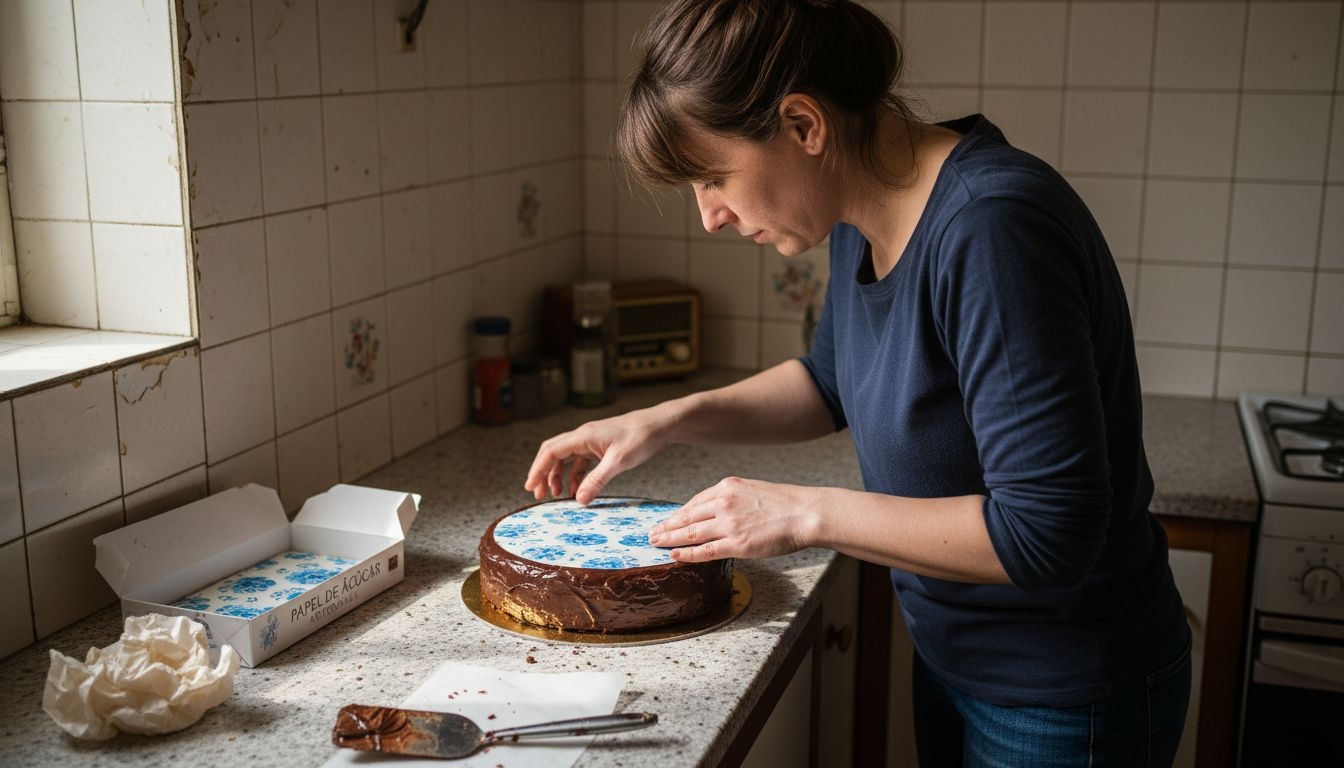
When you place the edible paper on a decorated cupcake, it naturally adheres to the moist surface of the cream or fondant. The thin structure allows the design to be completely visible, creating a professional effect without adding excessive volume to the cake.
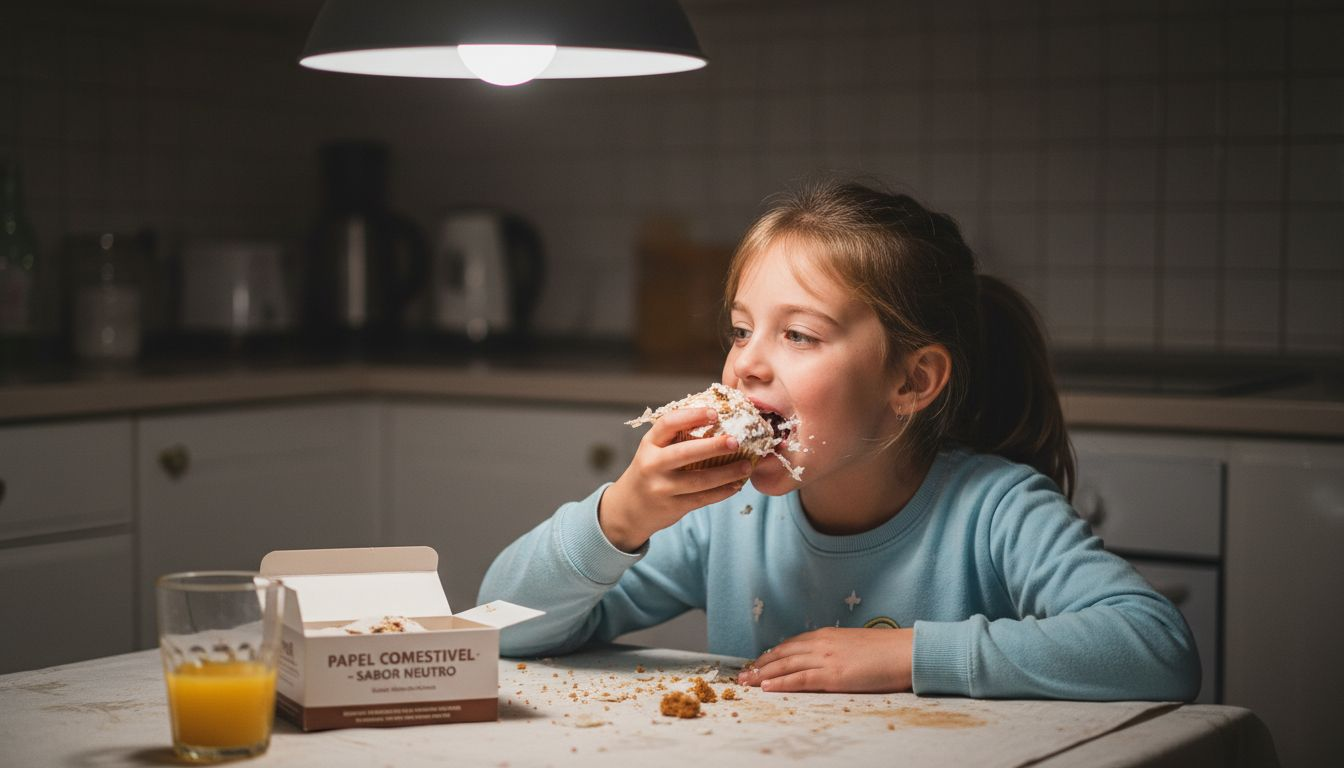
The paper has no pronounced taste of its own, which means it does not interfere with the cupcake's original flavor. Children eat the paper along with the cake, with no need to remove anything beforehand.
Edible paper transforms simple cupcakes into memorable visual celebrations, where every detail counts.
Differences between types of edible paper
There are variations of this material that are worth knowing:
- Traditional sugar paper: Made with sugar and gum, more fragile and delicate
- Fondant paper: Thicker, better for complex designs and sharp photographs
- Textured paper: Offers embossed patterns for greater visual interest
- Premium edible paper: More intense colors and greater durability in storage
When decorating personalized cakes, the choice of the right paper impacts the final result. For children's birthday cupcakes, fondant paper offers the best balance between visual quality and ease of application.
To help choose the best edible paper for each children's occasion, see this table of recommendations:
| Situation | Recommended Paper | Justification |
|---|---|---|
| Birthday with many children | Sugar paper | Sharp print, easy to apply |
| Child with food allergies | Gluten-free paper | Minimizes reaction risks |
| Decoration with photographs | Fondant paper | Greater image definition |
| Minimalist themes | Rice paper | Lightness and subtle texture |
Edible paper represents the perfect fusion between unlimited creativity and culinary practicality. It allows parents to create truly memorable celebrations, where the cupcakes reflect the interests and personalities of the children being celebrated.
Professional tip: Keep the edible paper in a cool, dry place before use, and apply it to the frosting only 30 minutes before serving to prevent it from absorbing moisture.
Main types and available options
The market offers several edible paper options, each with its own characteristics that influence the final result of your cupcakes. Understanding the differences helps you choose exactly what you need for the child's celebration.
Sugar paper
Sugar paper is the most popular option for personalized cupcake decorations. Manufactured mainly with sugar, gum, and food colorings, it offers vibrant colors and sharp printing of designs.
This type adheres perfectly to moist frosting and has a light texture that does not overwhelm the cake. It is ideal for photographs, names, and colorful designs that children love.
Wafer paper
Wafer paper and rice paper are equally effective options for decorating cupcakes. Wafer paper is thin, crispy, and offers a delicate texture that melts in the mouth.
It provides excellent adhesion without adding excessive moisture to the cake. It works particularly well for designs with many fine details and intricate patterns.
Rice paper
Rice paper is made from rice starch and is known for its fragility and lightness. It offers a unique texture that contrasts interestingly with the cupcake cream.
This type is perfect for minimalist designs or for children who prefer softer textures. It absorbs flavors slightly, adding a subtle nuance to the cake.
Quick comparison
| Type | Texture | Adhesion | Best for | |
|---|---|---|---|---|
| Sugar | Smooth | Excellent | Very good | Colorful designs |
| Wafer | Crispy | Very good | Excellent | Fine details |
| Rice | Light | Good | Good | Simple designs |
Each type of edible paper brings a different sensory experience, allowing personalization not only visually, but also in terms of texture and flavor.
Personalization options
All these types of paper allow digital printing or manual printing. You can choose pre-made designs or create completely personalized designs with photographs, names, and ages.
Funbakery offers a custom design service where designers create any image to order, incorporating photographs, names, and personalized texts for a unique and professional finish.
How to choose
Consider these factors when selecting:
- Child's age and texture preferences
- Complexity of the desired design
- Type of frosting (cream, fondant, or ganache)
- Time available for preparation
- Decoration budget
Professional tip: Test the chosen paper type with a practice frosting before the big day, so you avoid unpleasant surprises at the celebration.
How creative personalization works
The creative personalization of cupcakes is a process that combines art, technique, and food safety. It allows simple cakes to be transformed into unique visual celebrations that reflect the personality of each child.
The basic creative process
Everything starts with a clear idea of the desired design. It can be the child's favorite character, a specific theme, or elements that represent their interests.
Personalized edible paper prints this vision directly onto the material, transforming abstract concepts into tangible and edible decorations that perfectly adorn the cupcake.
From conception to printing
Cake painting techniques use fondant frosting and edible paper to create sophisticated visual effects. The process starts with the design of the desired image, followed by the printing of the design on the edible paper.
This approach ensures that every detail of the final design is visualized and tested before it reaches your celebration cupcake.
Personalization steps
The procedure follows a logical sequence:
- Design choice: Select from pre-made designs or create a personalized one
- Image approval: Review the final design before printing
- Printing on paper: High-quality digital printing is used
- Cutting and finishing: The paper is cut precisely to fit perfectly
- Application on the cupcake: Place the paper on the already prepared frosting
Elements you can personalize
Edible paper allows you to include:
- Family photographs or special moments
- Child's name with a chosen font
- Age or date of birth
- Favorite characters or specific themes
- Colorful patterns and artistic designs
- Personalized messages or greetings
Personalizing edible paper transforms an ordinary cupcake into a unique visual celebration that the child will never forget.
Colors and textures in practice
Digital printing allows vibrant colors and fine details that traditional paper cannot achieve. Colors do not fade during storage and remain vibrant until the moment of serving.
Textures can be added through special papers that offer embossed patterns, creating additional visual interest beyond the printed image.
Safety during personalization
All materials used in personalization are approved for human consumption. The printing uses certified food inks, ensuring that nothing toxic comes into contact with the cake.
Professional tip: Send your design idea in advance, allowing time for revisions and adjustments before the celebration date.
Food safety and allergen rules
Food safety is the absolute priority when decorating cupcakes with edible paper. There are clear rules that manufacturers and consumers must follow to ensure that nothing harmful reaches the children's celebration table.
Declared allergens and transparency
Food allergen management requires clear identification and proper control to protect people with allergies. All edible paper must come with a clear and legible complete list of ingredients.
Always check the product label before buying, especially if the child has known allergies to peanuts, tree nuts, gluten, or other common allergens.
Most common allergens in edible paper
Although rare, edible paper may contain:
- Gluten (in some starches)
- Tree nuts (in derived colorings)
- Soy or soy derivatives
- Colorings with potential reactivity
- Gums derived from allergenic plants
Many manufacturers clearly specify if the product is gluten-free or free of specific allergens. Funbakery offers edible paper options with different allergen profiles.
Cross-contamination during handling
Even if the paper is safe, the way you handle it is crucial. Good hygiene practices prevent cross-contamination during the preparation of the cake.
Use clean utensils and sanitized hands. If anyone in the kitchen has allergies, make sure there is no contact between ingredients.
Certifications and quality standards
Quality edible paper should have:
- Food certification: Regulatory approval from the country of origin
- Certified food inks: Non-toxic and safe for ingestion
- Label with complete information: Ingredients, allergens, expiration date
- Traceability: Identifiable producer and contact information
- Proper storage: Clear recommendations on conditions
Safe edible paper is that accompanied by clear documentation, legible labels, and verifiable information about ingredients.
Verification before use
Before applying edible paper to a cupcake intended for a child:
- Read the complete label
- Check the expiration date
- Look for highlighted allergen warnings
- Compare with any known allergies of the child
- If unsure, contact the manufacturer
Storage and hygiene
Store the edible paper in a cool, dry place at room temperature. Excessive moisture degrades the material and can promote microbial contamination.
Keep it in the sealed original packaging until the moment of use. After opening, use within the manufacturer's recommended timeframe.
Professional tip: If the child has significant food allergies, always communicate this in advance and ask for complete documentation of the ingredients of the chosen paper.
Risks, costs, and comparison with alternatives
Before investing in personalized edible paper, it is worth understanding the real risks, costs involved, and how it compares with other decoration options available on the market.
The cost of edible paper
Custom edible paper is more expensive than conventional decorations. A single custom design can cost between 5 and 20 EUR, depending on the complexity and quantity.
Edible materials have higher costs compared to traditional alternatives, but they offer visual and safety benefits that justify the investment for special celebrations.
See the table to compare the impact of custom edible paper at a children's party:
| Aspect | Edible Paper | Traditional Alternative |
|---|---|---|
| Visual appeal | Unique cupcakes | Basic decoration |
| Preparation time | Medium | Fast or slow |
| Photographic memories | Stand out in photos | Little originality |
| Food safety | Controlled ingredients | Variety of risks |
Potential risks with edible paper
Although safe when used correctly, there are some risks to consider:
- Moisture absorption: Paper degrades if exposed to hot temperatures or very humid environments
- Waste: Errors in application can damage the paper, requiring replacement
- Preparation time: Requires advance ordering to receive custom designs
- Allergens: Risk if someone in the kitchen has allergies and there is cross-contamination
- Resource waste: If the design is not liked, it cannot be reused
Available decoration alternatives
There are several options that parents can consider:
- Hand-modeled fondant: Total creativity, but requires artistic skill
- Simple cream frosting: More economical, less personalized
- Crystallized sugar or sprinkles: Cheap, but without custom designs
- Food coloring and hand painting: Allows personalization, very time-intensive
- Pre-made edible paper: Ready-made designs, without customization costs
Comparison table
| Option | Cost | Personalization | Time | Safety |
|---|---|---|---|---|
| Custom paper | Medium-High | Excellent | Medium | Very High |
| Manual fondant | Medium | Very good | High | Good |
| Simple frosting | Low | Limited | Low | Very High |
| Hand painting | Medium | Good | Very High | Good |
| Pre-made paper | Low | Limited | Low | Very High |
Custom edible paper is justified when the child deserves a special touch and when the celebration budget allows it.
Return on investment
The investment in custom edible paper pays off when:
- The child has very specific interests (characters, hobbies)
- You want to include a photo or custom name
- You plan in advance (avoids urgent shipping costs)
- You invite multiple children (cost per cupcake decreases)
- Visual quality is important for photographic memories
Cost control
Studies in bakeries show that edible materiality impacts the final price, but personalization justifies the investment compared to less elaborate alternatives.
Request quotes in advance and compare several suppliers. Funbakery offers more affordable pre-made designs if the budget is limited.
When to avoid edible paper
Consider alternatives if:
- The budget is very limited
- There is no time to order in advance
- The celebration is extremely informal
- The child does not have specific visual preferences
- You are concerned about allergies and want to simplify as much as possible
Professional tip: Request quotes from several suppliers and calculate the cost per cupcake. Frequently, larger orders have significant discounts that make edible paper more affordable.
Transform your cupcakes with safe and creative custom edible paper
If you are looking to take your cupcake decoration to a professional level without compromising food safety, edible paper is the ideal solution. We know that one of the biggest challenges is finding materials that combine vibrant visual quality with ingredients that are completely safe for the child and their family. At Funbakery, we offer a wide range of custom edible papers that comply with all food and allergy regulations and allow you to express your creativity without limits.
Explore our collection of Toppers, Wafers and Edible Photos for Hobbies for fun and personalized children's themes or discover sophisticated options in the Wafers for Adult Cakes | FunBakery selection for cupcakes with a more mature touch. Take advantage of our custom creation service that prints photos, names, and texts, ensuring a unique and memorable finish for any party. Do not postpone that special celebration, look for inspiration now and order from Funbakery.
Frequently Asked Questions
What is edible paper for cupcakes?
Edible paper is a thin sheet that serves as a decorative base for cupcakes, allowing personalization with vibrant designs and images.
What are the main types of edible paper available?
The main types of edible paper include sugar paper, wafer paper, and rice paper, each with distinct characteristics that influence the texture and appearance of the cupcakes.
How should edible paper be applied to cupcakes?
Edible paper should be applied over the cupcake frosting, such as cream or fondant, about 30 minutes before serving, to ensure that it adheres correctly and maintains its integrity.
Are there risks associated with the use of edible paper?
Yes, there are risks such as moisture absorption, which can degrade it, and the possibility of cross-contamination with allergens. It is important to check the ingredients and follow food safety practices when using edible paper.