


Many people believe that edible paper is only used to print simple images on birthday cakes. In fact, this versatile tool has revolutionized party decorating, allowing everything from cupcakes to chocolates to be customized with professional designs and sharp photographs. Edible paper offers unlimited creative possibilities for transforming any celebration into a memorable event, combining technique and art in an accessible way. This guide explores the different types available, practical applications, and essential techniques for achieving impressive results with your custom decorations.
Table of Contents
- What is edible paper and the main types available
- Applications of edible paper on cakes, sweets, and other items
- How to ensure the quality and durability of your custom edible paper
- Practical tips for using edible paper at events and parties
- Discover FunBakery's custom edible paper options
- Frequently asked questions about edible paper
Key Takeaways
| Point | Details |
|---|---|
| Versatility of application | Edible paper decorates cakes, cupcakes, chocolates, sweets, and even savory items with custom designs |
| Distinct types available | Rice paper, sugar sheets, and wafer paper have different textures and specific uses for each surface |
| Correct application technique | Smooth surfaces and specific adhesive gel ensure perfect adhesion without bubbles or tears |
| Quality determines the result | The choice of approved papers and inks affects sharpness, durability, and food safety |
| Proper storage | Storing it in a cool, dry place preserves the quality and prevents the printed paper from warping |
What is edible paper and the main types available
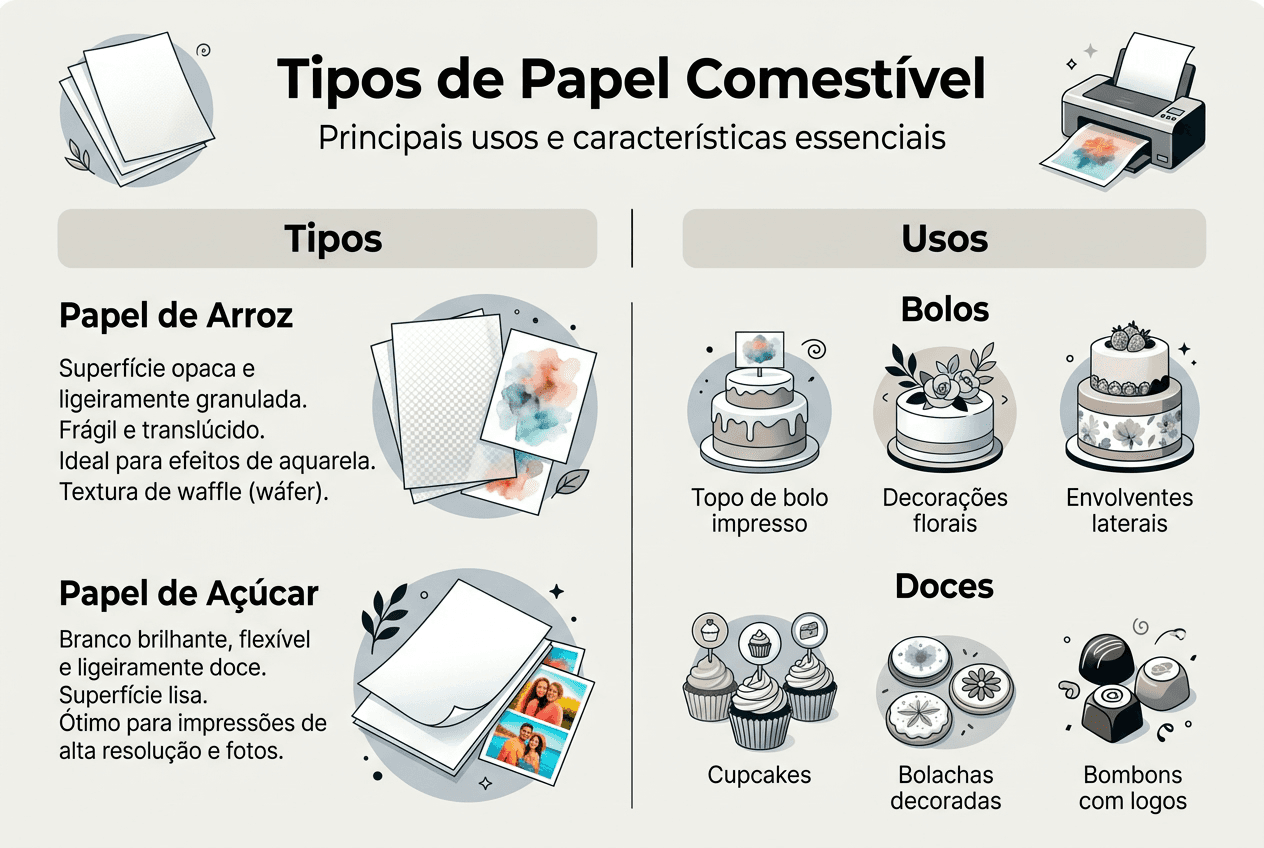
Edible paper represents a significant innovation in cake and sweet decorating, allowing detailed images and photographs to be transferred onto food surfaces. Rice paper is made from rice flour, potato starch, vegetable oil, and water, with specific nutritional values that ensure food safety. This natural composition makes the product completely safe to eat without significantly altering the flavor of your creations.
There are three main types of edible paper on the market, each with distinct characteristics. Rice paper has a slightly translucent texture and thin thickness, making it ideal for covering larger surfaces such as cake toppers. Sugar sheets have a thicker, more opaque finish, providing vibrant colors and greater resistance to handling. Wafer paper stands out for its extreme lightness and almost transparent texture, making it perfect for creating three-dimensional decorative elements such as flowers and butterflies.
Each type has specific uses depending on the desired result. Rice paper works well with fondant and buttercream, gently conforming to the curves of the cake. Sugar sheets work best on completely smooth surfaces, offering images with intense colors and a professional finish. Wafer paper allows you to create delicate decorations that add visual dimension without excessive weight.
Choosing the right type of paper directly affects the final quality of the decoration. Consider the texture of the surface where you will apply the paper, the level of detail in the image, and the intended visual effect. Wet or oily surfaces require more resistant papers, while delicate decorations benefit from thinner options. Understanding these differences allows you to select the right material for each specific project.
Professional Tip: Always test the chosen paper on a small area before applying it to the final decoration, checking how it reacts to the moisture of the frosting and whether the colors maintain their desired intensity.
Applications of edible paper on cakes, sweets, and other items
Edible paper goes beyond traditional cake decorating, offering creative possibilities on a variety of food surfaces. On cakes, it is applied directly over fondant, buttercream, or ganache, creating custom designs that impress guests. Cupcakes become miniature works of art with printed paper circles, ideal for themed parties where each one features a unique design. Chocolates become more sophisticated when decorated with small edible images, making them perfect for elegant party favors.
Edible paper can be applied to chocolates, sweets, and even savory items such as tarts, using specific techniques for each surface. This versatility allows you to create complete visual coordination at events, from the main cake to the smallest details. Cookies decorated with edible paper become edible invitations or original place cards. Personalized macarons take dessert tables to a new level of refinement.

The application surface determines the success of the decoration. For better image visibility, it is recommended to use light-colored surfaces and white chocolate when decorating chocolate. Dark frostings absorb light and reduce contrast, compromising the sharpness of the printed colors. White or cream fondant provides the ideal base to highlight every detail of the image.
For savory items, consider decorative tarts or themed canapés that surprise guests. Edible paper adheres well to cream cheese, creamy cheeses, and smooth pâtés, provided the surface is level. This technique works especially well at corporate events or celebrations where you want to impress with unexpected creativity.
Consult the complete edible paper guide for advanced application techniques on different surfaces.
Professional Tip: Avoid touching the edible paper excessively during application, as the moisture from your fingers can dissolve or tear the thin material, compromising the printed image.
How to ensure the quality and durability of your custom edible paper
The quality of edible paper decorations depends fundamentally on the printing technology used. The printing process uses modified printers and edible inks, similar to conventional inkjet printing. These inks contain approved food colorings that ensure complete safety for consumption. Printers dedicated exclusively to food prevent cross-contamination with conventional chemical inks.
Several factors influence the final printing result. The quality of the edible paper and the printing process impacts the final result, using inks and papers regulated by the Ministry of Health. The printer's resolution determines the sharpness of the details, which is especially important in photographs or complex designs. Correct color calibration ensures that the printed tones match the original image, avoiding unpleasant surprises.
Proper storage preserves the quality of the printed paper until the moment of use. Proper storage in a cool, dry place prevents the degradation and warping of the printed paper. Follow these essential steps:
- Keep the paper in its sealed original packaging until needed
- Store at room temperature, away from direct sunlight
- Avoid damp areas such as kitchens or bathrooms
- Use within the expiration date indicated by the manufacturer
- Always handle with clean, dry hands to prevent smudging
The following table compares the durability characteristics of the different types:
| Paper Type | Moisture Resistance | Applied Durability | Storage Time |
|---|---|---|---|
| Rice Paper | Medium | 2 to 3 days | 12 months sealed |
| Sugar Sheet | High | 3 to 5 days | 18 months sealed |
| Wafer Paper | Low | 1 to 2 days | 12 months sealed |
For important projects, explore the guide to using photographs on cakes and discover why using edible photos to customize cakes elevates any celebration.
Professional Tip: Always choose papers and inks with food certification approved by health authorities, ensuring not only visual quality but also complete safety for all guests.
Practical tips for using edible paper at events and parties
Selecting the correct size of edible paper optimizes the visual result and minimizes waste. A4 and A3 sizes of edible paper are recommended for cakes of different weights, making it easier to customize according to the event. Small cakes up to 1 kg accommodate A4 images well, while larger cakes benefit from the A3 format, which covers large surfaces without visible seams.
Gather the essential materials before starting the application:
- Specific edible adhesive gel for paper
- Soft food-safe silicone brush
- Smooth spatula for smoothing out bubbles
- Clean, sharp scissors for precise cuts
- Absorbent paper for emergencies
Follow these steps for a flawless application:
- Prepare the cake surface so it is completely smooth and dry
- Apply a thin, even layer of adhesive gel
- Remove the paper from its protective packaging immediately before use
- Position it carefully, starting from one end
- Smooth it gently from the center to the edges, removing air bubbles
- Trim any excess with scissors after it is fully secured
For cupcakes, cut circles the exact size of the top using appropriate cutters. For smaller sweets such as chocolates, use mini prints that add personalization without overwhelming the visual design. Party favors such as individually packaged cookies become memorable gifts when decorated with themed edible paper.
Avoid these common mistakes that compromise results:
- Applying to wet or oily surfaces that prevent adhesion
- Handling the paper excessively, causing tears or smudges
- Exposing finished decorations to high humidity
- Refrigerating decorated cakes without proper protection
- Applying excessive pressure that deforms the image
Discover specific techniques for edible paper on cupcakes and learn how to use sugar paper on cakes with confidence.
Professional Tip: Plan the decoration at least 48 hours in advance, allowing time to order custom prints and practice the application technique before the main event.
Discover FunBakery's custom edible paper options
FunBakery offers complete solutions to transform your creative ideas into impressive professional decorations. The catalog includes everything from popular ready-made designs to full customization services, perfectly adapting to the needs of any celebration. Try a custom Minecraft edible image that delights fans of the game, or explore the custom photo wafer studio to create unique edible memories.
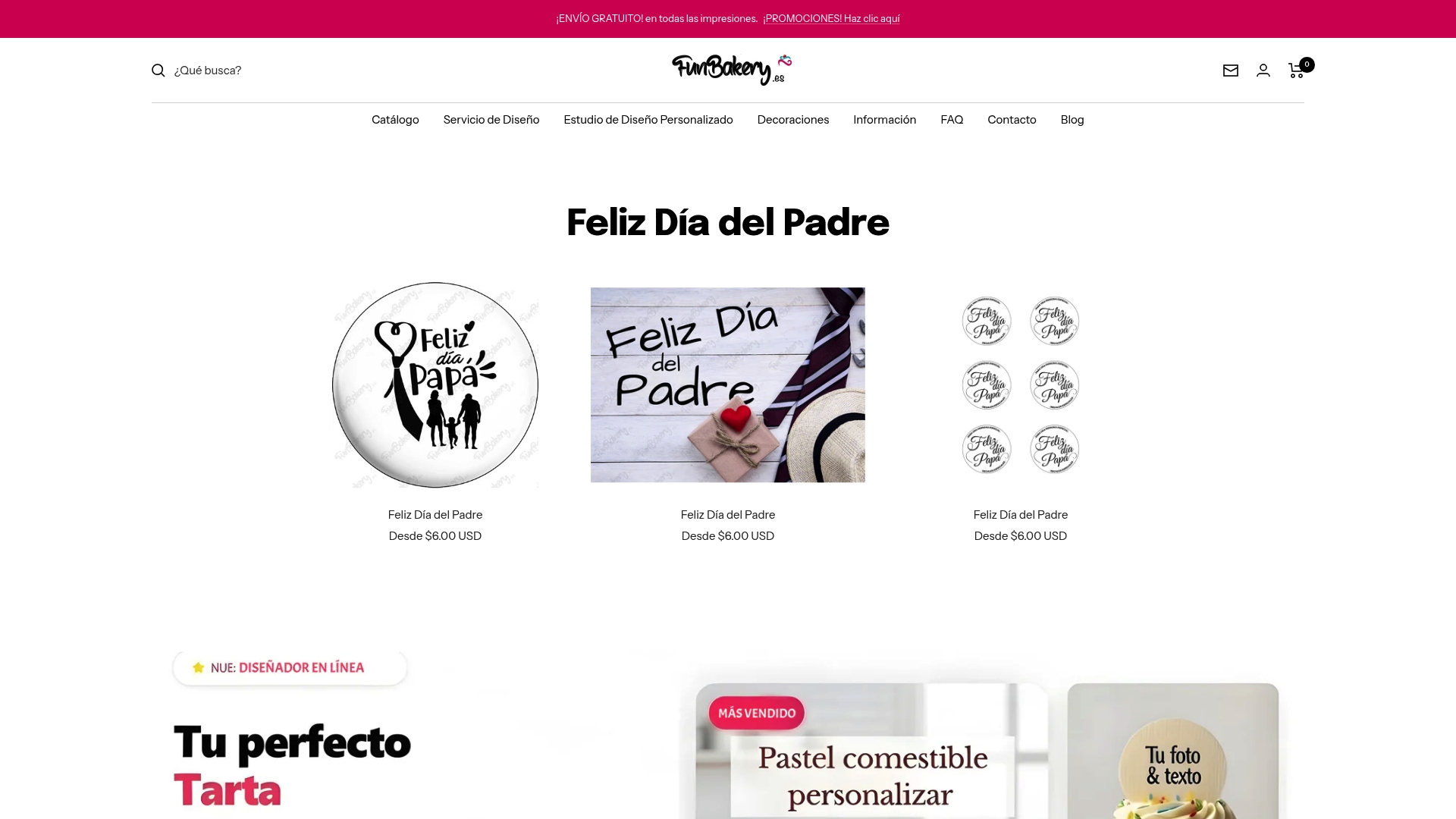
The team of specialized designers creates any custom image, incorporating personal photographs, names, ages, and personalized text with a professional finish. This flexibility allows you to bring to life specific creative visions that standard products cannot offer. The variety of edible paper available ensures the perfect option for every project, from fine rice paper to premium sugar sheets.
Apply all the techniques shared in this guide using superior quality materials that ensure consistent and safe results. The combination of technical knowledge with certified products elevates any party to a memorable level of sophistication.
Frequently asked questions about edible paper
How do I choose the ideal edible paper for my cake?
Consider the type of cake frosting and the desired visual effect. For smooth fondant or buttercream, sugar sheets offer vibrant colors and superior durability. Rice paper adapts better to slightly textured surfaces and allows for a more natural finish.
Is edible paper safe to eat?
Yes, when made with ingredients approved by health authorities. Certified papers use only regulated food colorings and natural components such as rice flour and starch. Always check the product certification before purchasing.
Can I apply edible paper to wet surfaces?
It is not recommended, as moisture quickly dissolves the paper and compromises adhesion. Wait for fresh frostings to form a touch-dry film before applying. Use specific adhesive gel to create a protective layer between the surface and the paper.
How long do decorations made with edible paper last?
It depends on the type of paper and storage conditions. Sugar sheets maintain their quality for 3 to 5 days when applied correctly. Rice paper remains intact for 2 to 3 days. Avoid direct refrigeration, which causes condensation and premature deterioration.
How do I prevent edible paper from tearing or peeling off during application?
Always handle it with completely dry hands and apply it to a surface prepared with adhesive gel. Position it carefully all at once, avoiding repositioning that stretches the material. Smooth it gently from the center to the edges using firm but delicate movements. Learn more about customizing with edible paper for advanced techniques.

