TL;DR:
- Cupcake paper terminology varies by region, but all terms describe wrappers that affect presentation and functionality. Papers are divided into functional, oven-safe, and decorative, with the latter used solely for appearance; furthermore, the correct choice depends on the event and decorating technique. Knowing the differences in terms and dimensions helps achieve professional results and a cohesive, attractive dessert table.
Cupcake paper terminology groups together the technical and popular names for the wrappers, cups, and liners used to bake and present cupcakes at celebrations. The most common terms are cupcake liners, baking cups, and cupcake cups, and although they describe the same product, their use varies by country and context. Knowing these differences is not a minor detail. Choosing the right paper directly affects the final presentation, compatibility with the mold, and visual result on a dessert table. Brands such as Flying Tiger, Patisse, and MegaCentral market these products under different names, which frequently causes confusion among those new to creative baking.
What are the main types of cupcake paper?
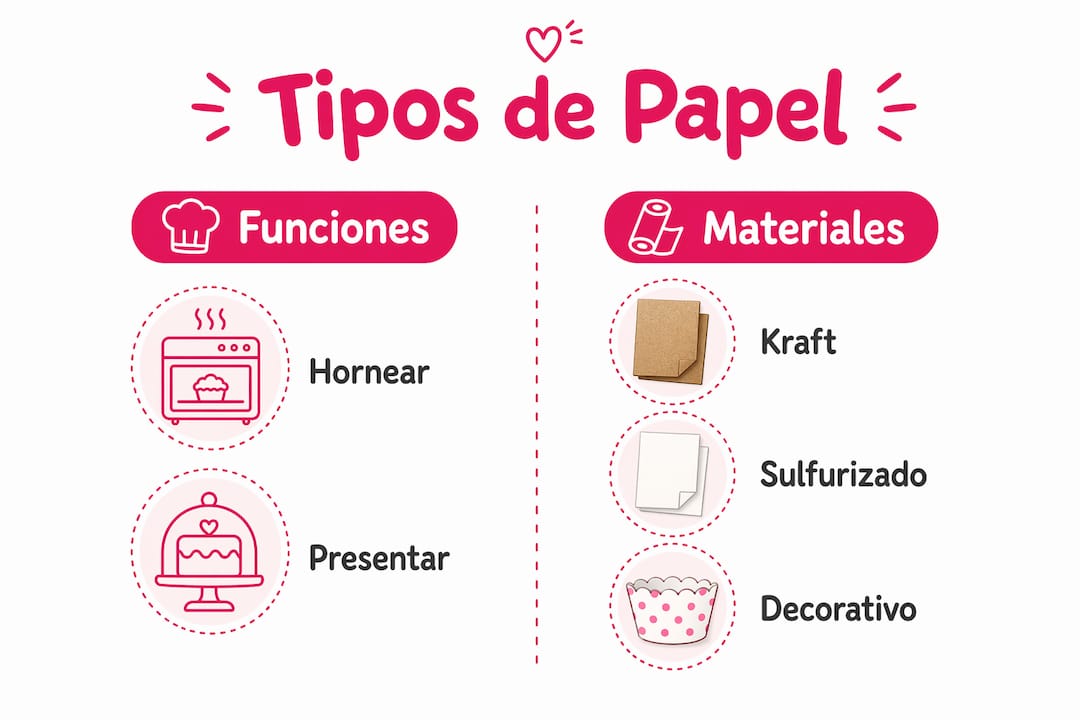
Types of cupcake paper are divided into two main categories: functional papers for baking and decorative papers for presentation. Both serve different functions and are not always interchangeable, although many products on the market combine both qualities.
Functional papers for baking
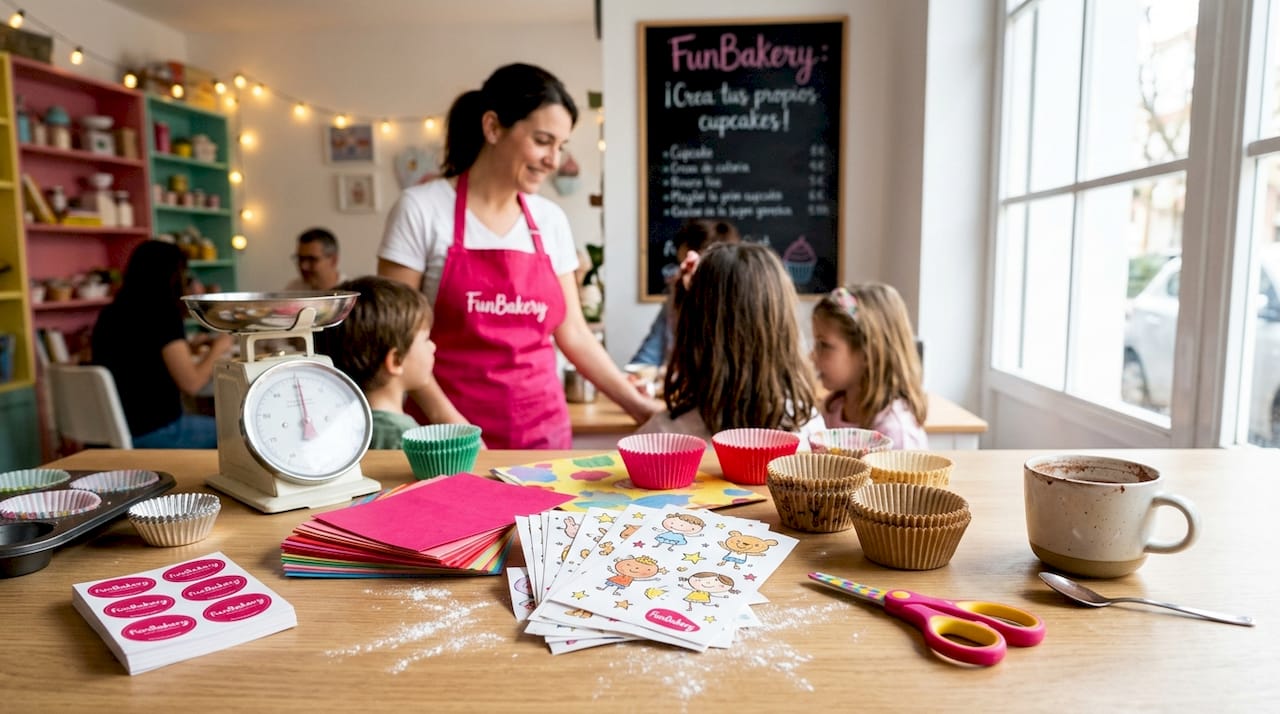
Kraft paper cupcake liners are the industry standard. They withstand high temperatures without releasing odors or substances, making them suitable for baking directly without greasing the mold. Parchment paper follows the same principle: its non-stick layer withstands oven heat and facilitates clean unmolding. Aluminum foil, which is less common, is used when greater structural rigidity is needed or when the cupcake is baked without a supporting metal mold.
Decorative and presentation papers
Decorative papers prioritize design over heat resistance. They are placed over the functional liner once the cupcake is cool, or used directly when the cupcake does not require additional baking. Designs range from geometric prints to themed motifs for birthdays, Valentine's Day, or Halloween. Flying Tiger, for example, markets packs of 100 pieces with seasonal designs that combine function and aesthetics.
Professional tip: If you are looking for paper that works for both baking and presentation, choose kraft paper liners with a printed design. They withstand the oven and look good on the table without the need for double wrapping.
The most common standard dimensions are 5 cm in diameter and 4 cm in height, measurements that fit most cupcake molds on the market. PME baking cups, very popular in Spain, have a 50 mm base and a 70 mm top opening with a height of 28 mm. Knowing these measurements before buying avoids the classic problem of receiving cups that do not fit in the mold.
| Paper type | Material | Oven safe | Main use |
|---|---|---|---|
| Kraft liner | Kraft paper | Yes | Baking and presentation |
| Parchment cup | Parchment paper | Yes | Baking without greasing |
| Decorative baking cup | Printed paper | Depends on thickness | Presentation and dessert table |
| Aluminum liner | Aluminum | Yes | Baking without a metal mold |
| Silicone liner | Silicone | Yes | Reusable, baking |
How does terminology vary by region and type of event?
The terms cupcake liner, cupcake cup, and baking cup are synonyms that describe the same product but are used differently depending on the country. In Mexico and much of Latin America, the most widespread term is “cupcake liner.” In Argentina and Uruguay, people say “baking cup.” In Spain, the term “cupcake cup” is the most common in baking stores, although “cupcake liner” also appears frequently in online searches.
This variation is not just semantic. When looking for cupcake inspiration on platforms like Pinterest or in online stores, using the correct regional term makes the difference between finding exactly what is needed or getting lost among irrelevant results. Including all three synonyms when searching or writing shopping lists considerably expands the available options.
Themed papers for events follow their own logic. MegaCentral, for example, offers packs of 1200 pieces with 12 designs for Valentine's Day, allowing 100 units of each design to be distributed. This format is especially useful for events with many guests, where visual variety enriches the presentation without losing thematic coherence.
Some criteria for choosing papers according to the type of celebration:
- Children's birthdays: bright colors, popular characters, designs with balloons or stars.
- Valentine's Day: reds, pinks, hearts, romantic motifs.
- Halloween: oranges, blacks, pumpkins, bats.
- Weddings and communions: whites, golds, silvers, minimalist designs.
- Adult themed parties: custom designs with photographs or specific texts.
Planning the quantity of pieces per design before buying is the difference between a coordinated dessert table and a visual mix without intention. If the event has 60 guests and the pack includes 12 designs, each design covers exactly 5 cupcakes, allowing them to be distributed evenly across the table.
How to choose the right paper according to the decorating technique?
The choice of paper does not depend only on the design. The decorating technique that will be applied to the cupcake directly conditions what type of wrapper works best. Paper that is too thin can deform with the weight of the frosting; one that is too rigid can make unmolding difficult.
These are the steps to choose correctly:
- Define if the paper goes in the oven or only for presentation. If you bake directly in it, you need oven-safe paper with proven heat resistance. If you only use it to present, you have more freedom of choice regarding material and thickness.
- Consider the type of frosting or topping. Wet frostings such as buttercream or ganache can transfer moisture to the paper. Kraft paper liners with higher grammage withstand this transfer better without getting stained or deformed.
- Decide if you will use edible paper as a topper. Edible paper for decorating is placed directly on the surface of the cupcake, on top of the frosting. In this case, the liner acts as a structural support and the edible paper provides the personalized visual element.
- Adjust the size to the mold and the recipe. A cup of 5 cm in diameter is the standard for normal-sized cupcakes. For mini cupcakes, the measurements are around 3.5 cm. Using paper that is too large in a small mold creates irregular folds that ruin the presentation.
- Combine functional paper with decorative paper when the budget allows. The kraft liner withstands baking and the outer decorative paper provides the visual finish. This technique, common in professional bakeries, notably improves the final result.
Professional tip: For fondant cupcakes, choose thick or double-layer paper cups. Fondant adds weight and moisture, and thin paper will end up wrinkled before reaching the table.
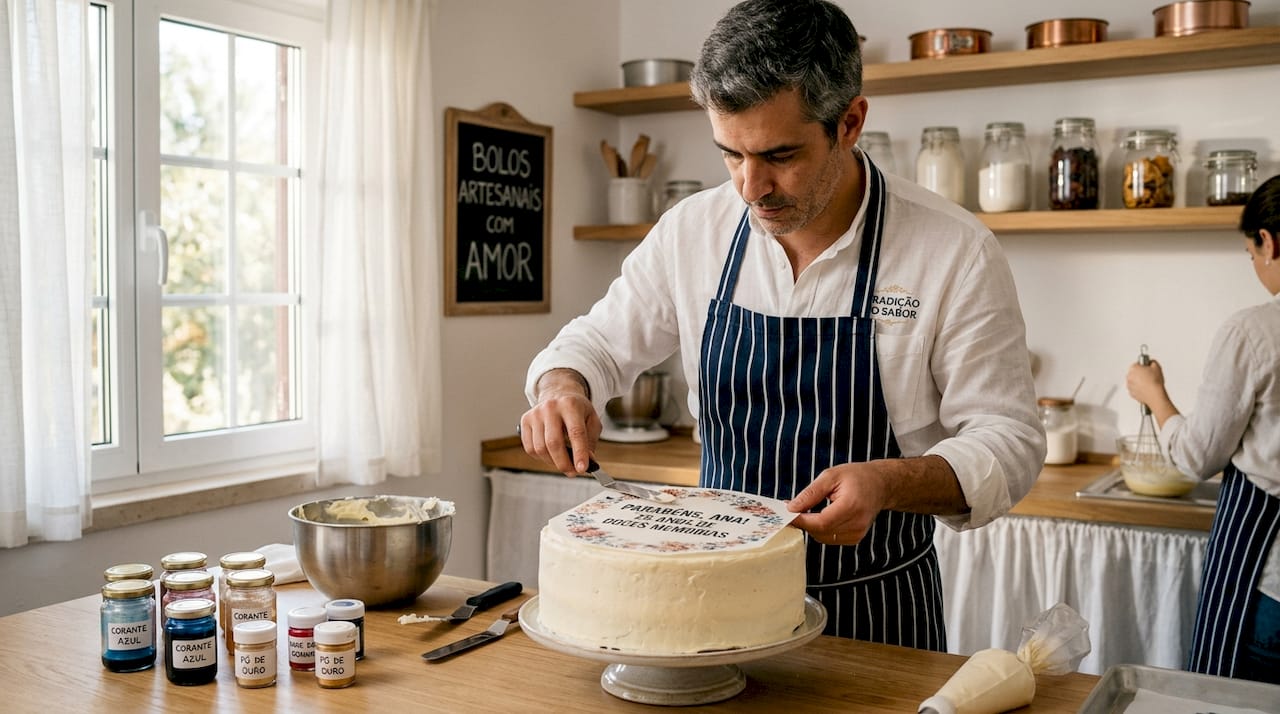
The personalized edible paper represents the most advanced level of cupcake decorating. Funbakery, specialized in edible wafers and sugar paper, allows incorporating photographs, names, and ages directly on the edible surface, which turns each cupcake into a unique element within the celebration.
Comparative table of terms, materials, and uses
The following table brings together the most used terms in cupcake paper terminology, with their main characteristics and the regional context where they are used most frequently.
| Term | Synonyms | Common material | Region of use | Typical occasion |
|---|---|---|---|---|
| Cupcake liner | Cupcake cup, liner | Kraft paper, parchment | Mexico, Spain | General use, birthdays |
| Baking cup | Cupcake liner, cupcake cup | Printed paper, kraft | Argentina, Uruguay | Parties, presentation |
| Cupcake cup | Cupcake liner, baking cup | Parchment paper, kraft | Spain | Professional baking |
| Themed liner | Decorative cupcake liner | Printed paper | Latin America | Valentine's Day, Halloween |
| Edible wafer | Sugar paper | Potato starch, sugar | International | Advanced personalization |
The synonyms cupcake liner, baking cup, and cupcake cup not only reflect cultural differences. They also appear in different online search contexts, which means that knowing them all expands the possibilities of finding the exact product needed. A user in Spain searching for “baking cups” may not find the same results as one searching for “cupcake cups,” although both want exactly the same thing.
The use of themed terms during specific seasons, such as Valentine's Day or Halloween, increases the interest and relevance of the products in specific searches. This is useful both for those who buy and those who organize events and need to communicate the theme of the party visually and coherently.
Key points
Mastering cupcake paper terminology is the foundation for choosing materials correctly, coordinating the decoration, and achieving professional results at any celebration.
| Point | Details |
|---|---|
| Cupcake liner, baking cup, and cupcake cup are synonyms | The term varies by country, but all describe the same cupcake wrapper. |
| The standard dimensions are 5 cm in diameter | Checking the measurements before buying avoids incompatibilities with the mold. |
| Functional and decorative paper have different uses | Kraft paper withstands the oven; printed paper prioritizes visual presentation. |
| Themed packs facilitate distribution at events | Calculating pieces per design allows a coordinated and balanced dessert table. |
| Personalized edible paper is the most advanced option | It allows incorporating photos, names, and ages directly on the cupcake. |
What no one tells you about choosing cupcake paper
I have seen many dessert tables ruined by a detail that seems minor: the paper. Not the frosting, not the cake. The paper. When the liner gets wet, wrinkles, or does not fit well in the mold, the most elaborate cupcake loses all its visual presence.
The confusion between terms is real and everyday. I have spoken with bakers in Spain who have been buying “cupcake cups” for years without knowing that in Argentina the same product is called a “baking cup” and that in Mexico they find it as a “cupcake liner.” This matters when buying in international stores or when following a tutorial from another country and not recognizing the term they use.
What surprises me most is that most people choose the paper for the design and not for technical compatibility. The color and print are the first things you see, but heat resistance, grammage, and dimensions are what determine if the cupcake arrives well on the table. My practical recommendation: always buy a small pack to test before investing in large quantities for an event.
Personalization with edible paper is the trend that has grown the most in recent years and generates the most visual impact. A cupcake with the birthday person's photo or the guest's name does not need any other decoration. It explains itself.
— David
Personalize your cupcakes with Funbakery
Funbakery specializes in edible wafers and personalized sugar paper for cupcakes and muffins, with designs adapted to any type of celebration.

The catalog includes children's characters, superheroes, sports themes, and designs for adults, all printable with custom photographs, names, and ages. For special events, the personalized muffin wafer turns each cupcake into a unique element of the dessert table. If you are looking for a completely custom design, Funbakery's custom design service creates any image from scratch with a professional finish.
FAQ
What is the difference between cupcake liner, baking cup, and cupcake cup?
All three terms describe the same product: the paper wrapper that holds and presents the cupcake. The difference is regional. “Cupcake liner” is used mainly in Mexico, “baking cup” in Argentina and Uruguay, and “cupcake cup” is the most common term in Spain.
What size paper should I use for standard cupcakes?
The standard size for normal cupcakes is a base diameter of 5 cm and a height of approximately 4 cm. For mini cupcakes, the cups are around 3.5 cm in diameter. Checking the mold measurements before buying avoids incompatibilities.
Can you bake directly in any cupcake paper?
No. Only the papers specifically indicated as oven-safe, such as kraft or parchment paper, withstand cooking temperatures. Purely decorative papers are not designed for heat and can deform or transfer substances to the cupcake.
How is edible paper used in cupcake decorating?
Edible paper is placed directly on the frosting surface once the cupcake is cool. It adheres by contact with the moisture of the buttercream or ganache and provides a personalized image, such as a photograph or a themed design, without the need for advanced decorating skills.
How many pieces do I need for a party with 50 guests?
If each guest receives a cupcake, you need at least 50 pieces. For a dessert table with visual variety, packs with multiple designs, such as those with 100 or 200 units, allow you to distribute the designs in a balanced and coordinated way according to the theme of the celebration.