Wafer printing technology is based on a simple principle: depositing edible inks or pastes layer by layer onto a food substrate with enough precision to reproduce photographs, logos, and complex patterns. Two approaches dominate the European market. Direct food printing, represented by the Eddie food printer, applies ink directly onto cookies, macarons, or chocolate without any intermediate film. Wafer paper printing, where Primus Wafer Paper is an industry benchmark, uses edible sheets as a substrate before applying them to the final product.
The certifications that frame this technology in Central Europe include BRC AA+, the Regulation (EU) 10/2011 on materials in contact with food, and the NSF and FDA standards for edible inks. These regulatory references are not a formality: they define which materials are accepted, the chemical migration limits, and the mandatory manufacturing processes.
The immediate advantages of this technology include:
- Personalization at scale without physical molds
- Faithful reproduction of colors and photographic details
- Absence of residual flavors when certified neutral inks are used
- Compatibility with curved and irregular surfaces
- Direct integration into continuous production lines
How 3D printing is applied in pastry with wafers
Pastry was the first sector to adopt edible printing on a large scale, and it continues to be the most diversified in terms of applications. A cake with a personalized image can be significantly enhanced compared to a cake without printed decoration, as demonstrated by the experience accumulated by Primus Wafer Paper with its industrial customers.
The most relevant practical applications in Central Europe include:
- Personalized decorations for birthday cakes, weddings, and corporate events, with full-scale photographs and text
- Edible brands on fruit bars, chocolates, and industrial confectionery products, where the logo is part of the product
- Child nutrition with appealing designs that increase the acceptance of the product by children
- Geriatric and hospital food, where texture and visual presentation influence appetite and nutritional intake
- Integration into continuous lines through Primus Wafer Paper's roll-to-roll technology, which allows printing directly on industrial rolls
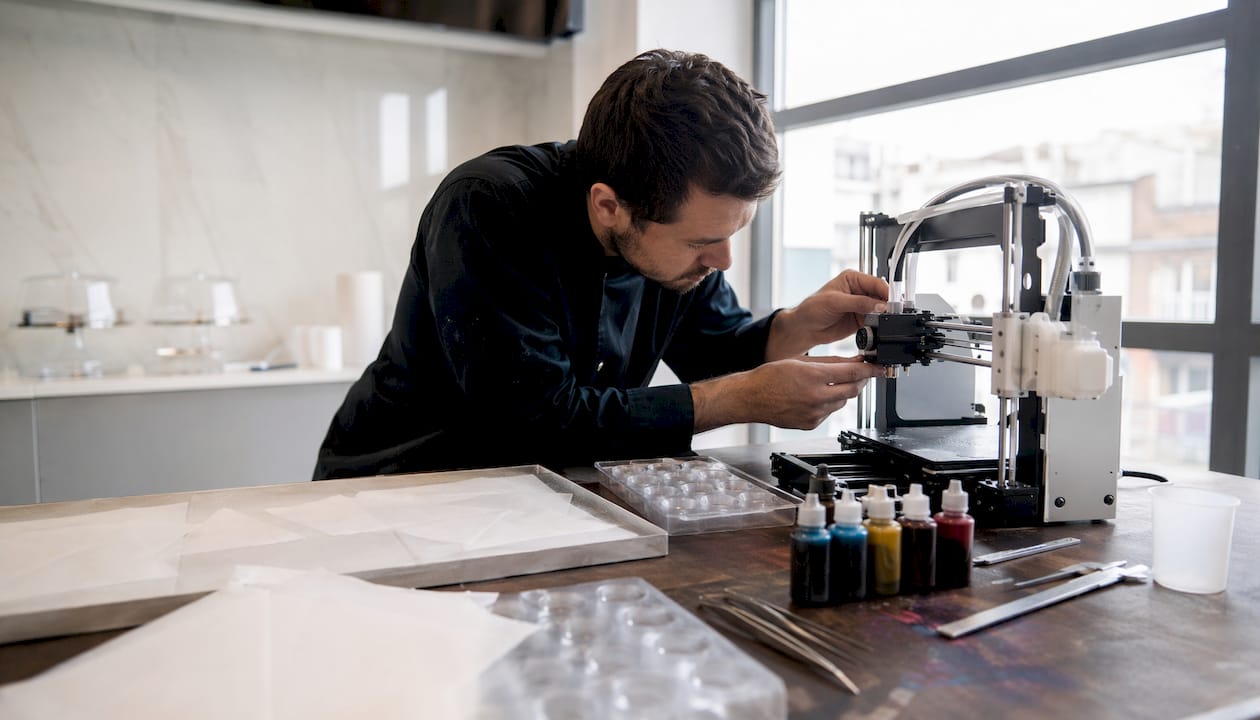
The Eddie food printer adapts to more artisanal and medium-scale contexts: bakeries, hotels, gift shops, and events. With personalized trays for macarons, chocolates, and cookies, it can print up to 12 objects simultaneously in automatic turntable feeding mode.
Professional tip: For direct printing on uncoated cookies, choose flat and uniform surfaces. Dry white royal icing and white chocolate are the surfaces that produce the clearest and longest-lasting results.
What benefits does 3D printing bring to the production of edible wafers
Fast personalization is the most visible benefit, but not the most relevant for the industry. Waste reduction is where the technology gains real weight: by printing only what is necessary, without cuts or scraps of traditional decorative materials, the process generates less waste per unit produced.
Nutritional bioaccessibility is an emerging field with direct scientific support. The European project 3D-NANOFOOD, funded by the European Commission, combines 3D printing with nanoencapsulation to create personalized foods for the elderly with better nutrient absorption and superior sensory properties. This approach allows adjusting texture, flavor, and nutritional composition to each user's profile without resorting to excessive additives.
Other benefits with a direct impact on production:
- Quality consistency: digital printing eliminates human variations in manual decoration
- Enhanced food safety: FDA-certified inks with European approval eliminate risks of contamination by unauthorized dyes
- Production speed: the Eddie prints in seconds per unit; Primus Wafer Paper's roll-to-roll technology allows continuous production without stops for sheet changes
- Design flexibility: changing a pattern does not require new molds, just a different digital file
Food 3D printing transforms agro-industrial waste into nutritious edible inks, according to ENEA research, linking productive efficiency to a circular economy.
What challenges does 3D printing of edible wafers face
Hygiene is the most critical operational challenge. In a conventional edible ink printer, the fixed ink tubes accumulate residue and create conditions for bacterial proliferation. The Eddie solves this problem with a single cartridge that integrates the print head and ink reservoir: by replacing the cartridge, the head is also replaced, eliminating the risk of cross-contamination between printing sessions.
The main challenges to consider:
- Material compatibility: not all wafer papers work with all printers; the thickness, ink absorption, and flexibility of the sheet determine the quality of the result
- Regular calibration: irregular surfaces require height and printing speed adjustments to avoid blurring
- Regulatory compliance: Regulation (EU) 10/2011 requires strict control of the migration of chemical substances from materials to food
- Format limitations: the Eddie, in turntable mode, accepts objects up to 105 mm in diameter and 19 mm in height; the manual mode extends the height to 27 mm, and the platform kit to 60 mm
- cGMP processes: Eddie ink cartridges follow cGMP manufacturing standards, but the operator must ensure correct storage and respect expiration dates
Professional tip: Before starting mass production, always do a test with a calibration piece. Adjust the print head height to the thickest object in the batch and check the color saturation on a reference surface.
Comparison of 3D printing techniques for edible wafers
| Printing technique | Material compatibility | Precision and resolution | Food safety certifications | Scalability |
|---|---|---|---|---|
| Direct food printing (Eddie) | Cookies, macarons, white chocolate, dry icing, flat and curved surfaces | High, including irregular surfaces | NSF, FDA, EU approval for edible ink, cGMP | Medium: ideal for artisanal and medium scale |
| Wafer paper printing (Primus Wafer Paper, sheets) | Cakes, tarts, muffins, wet and dry applications | High on smooth surfaces; depends on sheet thickness | BRC AA+, production in certified facility | High: compatible with most printers |
| Continuous roll printing (roll-to-roll, Primus Wafer Paper) | Industrial confectionery, fruit bars, child nutrition | High with organic dyes | BRC AA+, organic certification available | Very high: direct integration into industrial lines |
| Extruded paste printing (food FDM) | Chocolate, sugar paste, purees | Medium; suitable for three-dimensional shapes | Depends on materials and manufacturer | Low to medium; slower process |
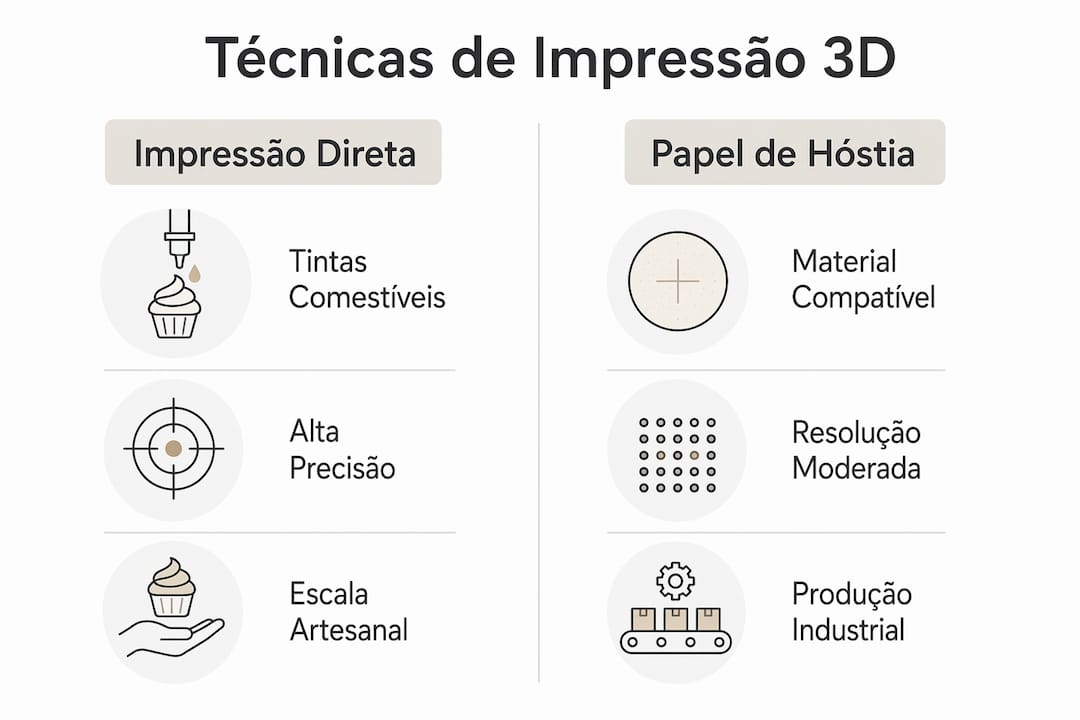
The choice between direct printing and wafer paper printing depends mainly on the final product. For macarons or chocolates where an additional film would alter the texture, direct printing is the only sensible option. For birthday cakes where the wafer is an integral part of the decoration, wafer paper offers greater design flexibility and scalable edible printing.
What materials are used in 3D printing of edible wafers
Primus Wafer Paper wafer paper is made with only three ingredients: potato starch, sunflower oil, and water. This minimalist composition ensures flavor neutrality, compatibility with practically any edible ink printer, and absence of common allergens.
Edible inks are divided into two main groups:
- Water-based inks with certified food dyes: used in the Eddie and most wafer paper printers; FDA approved and with European compliance; neutral flavor
- Organic dyes for roll printing: Primus Wafer Paper developed a printing solution with certified organic dyes for its industrial rolls, opening the child nutrition market and products with organic certification
Primus Wafer Paper wafer paper sheets come in different thicknesses: standard sheets for delicate applications like flowers and cocktail decorations, thicker sheets for slightly moist surfaces, and 0.6 mm sheets with a smooth double surface for superior quality prints. The starch structure absorbs the ink quickly and uniformly, which translates into vivid colors and sharp outlines.
For direct printing, Eddie's personalized trays allow positioning irregular shapes with precision, from macarons to mini-cakes with 60 mm height when using the platform kit.
What trends will shape food 3D printing of wafers
Nanoencapsulation is the most promising frontier. The 3D-NANOFOOD project, supported by European funding, uses nanostructured delivery systems to protect bioactive compounds during printing and improve their absorption in the body. For seniors with chewing or swallowing difficulties, this means foods with adapted texture and nutrition equivalent to a full meal.
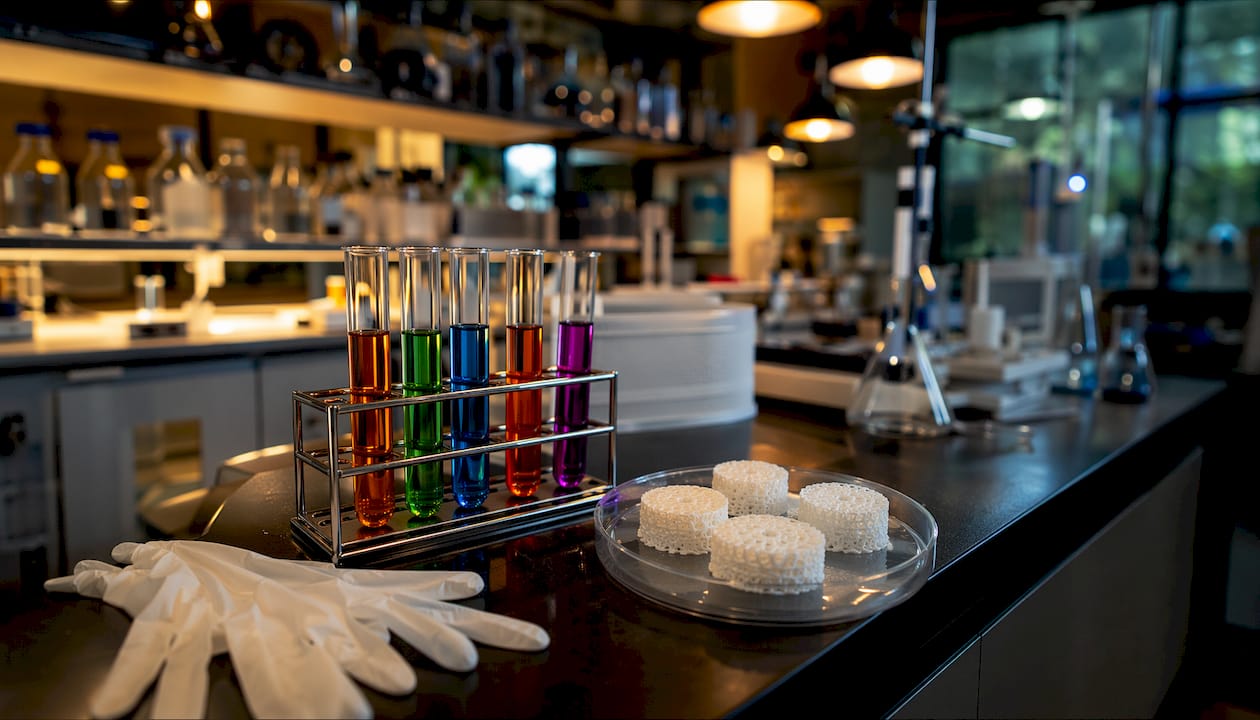
The circular economy is gaining ground in ink formulation. ENEA documented the use of agro-industrial waste as raw material for nutritious edible inks, transforming food industry byproducts into functional ingredients for 3D printing.
Other trends with a direct impact on the European market:
- Integration with industrial automation: Primus Wafer Paper's roll-to-roll technology allows edible printing to fit directly into continuous production lines, without additional operators
- Nutritional personalization by profile: combining health data with printed formulations, the industry advances toward truly individualized foods
- Expansion into new segments: fruit bars, multilayer snacks, and hospital nutrition products are the fastest-growing markets in edible printing in Central Europe
- DEGLUTECH Project: research in Portugal on easy-to-swallow formats using hot-melt extrusion combined with 3D printing, with direct applications in clinical and geriatric contexts
What standards regulate 3D printing of wafers in Central Europe
The European regulatory framework for food 3D printing is based on Regulation (EU) 10/2011, which defines the migration limits of chemical substances from materials to food. Any ink, substrate, or component that comes into contact with the edible product must comply with these limits, regardless of whether it is used in traditional or 3D printing.
BRC AA+ certification distinguishes industrial producers who operate with the highest food safety standards. Primus Wafer Paper produces in BRC AA+ certified facilities with continuous operation, which guarantees traceability and consistency batch by batch. For operators in Central Europe, this certification is frequently required by large distributors and food retail chains.
Eddie's NSF certification, awarded by the National Sanitation Foundation, confirms that the printer was tested and approved for safe use in food processing. Combined with the cGMP compliance of the ink cartridges, it creates a system where each component in contact with food has verifiable safety documentation.
What is the environmental impact of 3D printing of wafers compared to traditional methods
3D printing reduces material waste in a measurable way. In traditional decoration, dyes, icings, and decorative elements are applied manually with inevitable losses. Digital printing deposits only the necessary amount, without excess.
Primus Wafer Paper wafer paper, with three ingredients of plant origin, has a carbon footprint significantly lower than sugar or fondant sheets, which incorporate more processed ingredients and heavier packaging. Continuous roll production further reduces individual packaging per unit, decreasing plastic per finished product.
The circular economy applied to edible inks represents the most concrete advancement: using agro-industrial processing waste as raw material for food dyes closes the production cycle without generating additional byproducts. This model, documented by ENEA, is being adopted by European producers seeking sustainability certifications for their printed products.
Use cases in Central Europe: from the bakery to the hospital
Primus Wafer Paper, headquartered in the Netherlands, supplies industrial customers throughout Central Europe, including fruit bar and confectionery manufacturers that integrate roll printing directly into their production lines. The ability to print logos and patterns on continuous rolls transformed product marking into an automated step of the process, without additional operators.
In artisanal and medium-scale contexts, bakeries and pastry shops in Germany, Austria, and the Czech Republic adopted edible ink printers for the personalization of custom cakes. Digital printing reduced the decoration time per unit and allowed accepting orders with complex designs that previously required specialized decorators.
The hospital and geriatric sector is the use case with the greatest growth potential. The DEGLUTECH project, developed in Portugal with 3D printing technologies, investigates easy-to-swallow food formats for patients with dysphagia, combining adapted texture with controlled release of nutrients. This approach has a direct application in continuous care units and nursing homes throughout Central Europe, where malnutrition in patients with swallowing difficulties is a documented clinical problem.
Funbakery applies these principles of personalization in its offer of personalized edible wafers for cakes and desserts, with designs ranging from children's characters to personal photographs, produced with certified materials and professional finish.
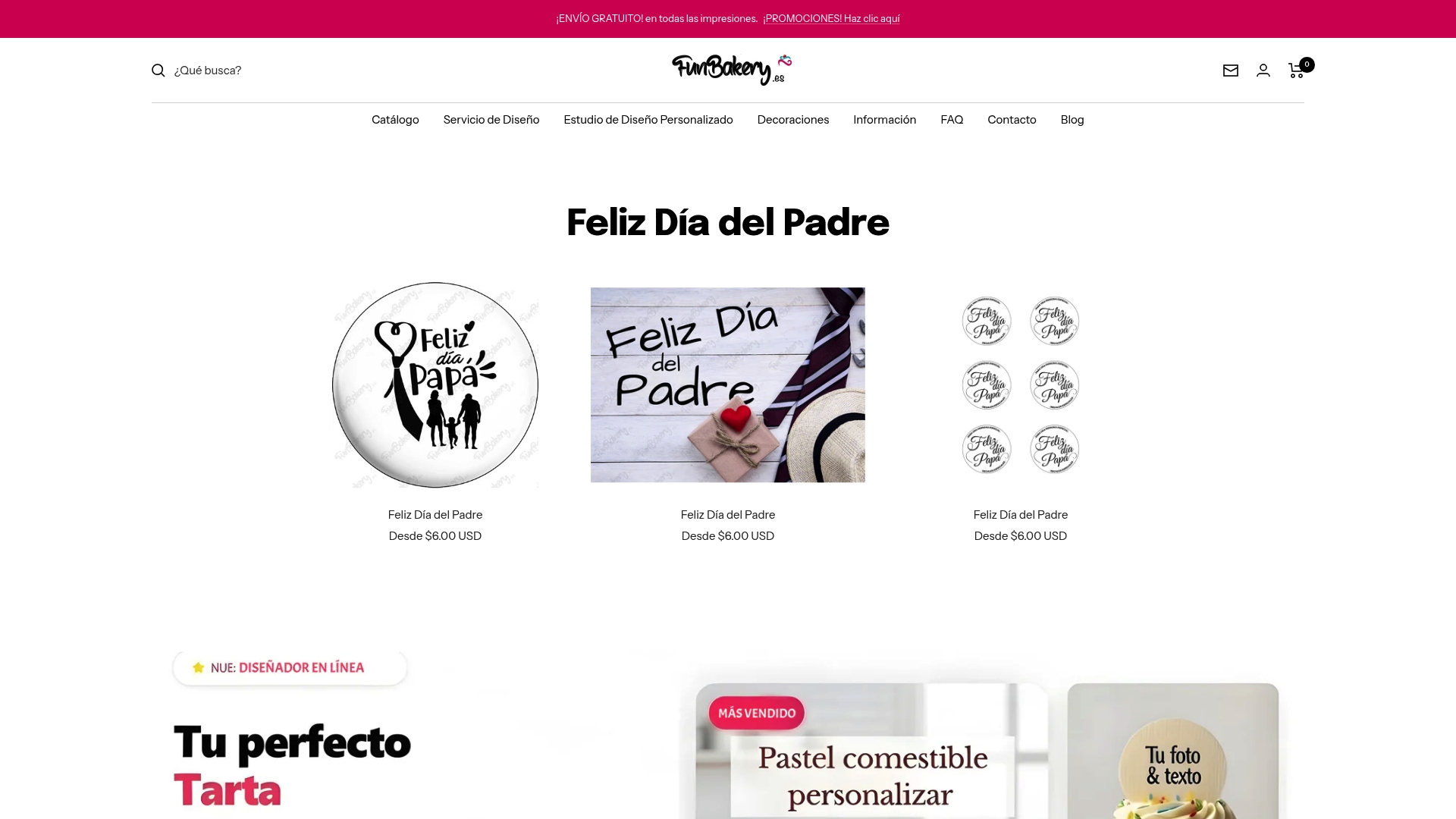
If you want to explore edible customization without investing in your own equipment, Funbakery offers personalized wafers and toppers with professional print quality, delivered ready to use.
Key Findings
3D printing of wafers combines rigorous certifications, natural materials, and industrial integration to transform food decoration into a digital, precise, and sustainable process.
| Point | Details |
|---|---|
| Two main techniques | Direct food printing (Eddie) and wafer paper printing (Primus Wafer Paper) serve different contexts. |
| Mandatory certifications | BRC AA+, NSF, FDA, and Regulation (EU) 10/2011 define the minimum standards for safe production in Central Europe. |
| Emerging bioaccessibility | The 3D-NANOFOOD project combines nanoencapsulation with 3D printing for personalized foods with superior nutrition for seniors. |
| Real sustainability | Inks produced from agro-industrial waste and wafer paper with three plant-based ingredients reduce the environmental footprint. |
| Industrial scalability | Primus Wafer Paper's roll-to-roll technology allows continuous integration into production lines without additional operators. |