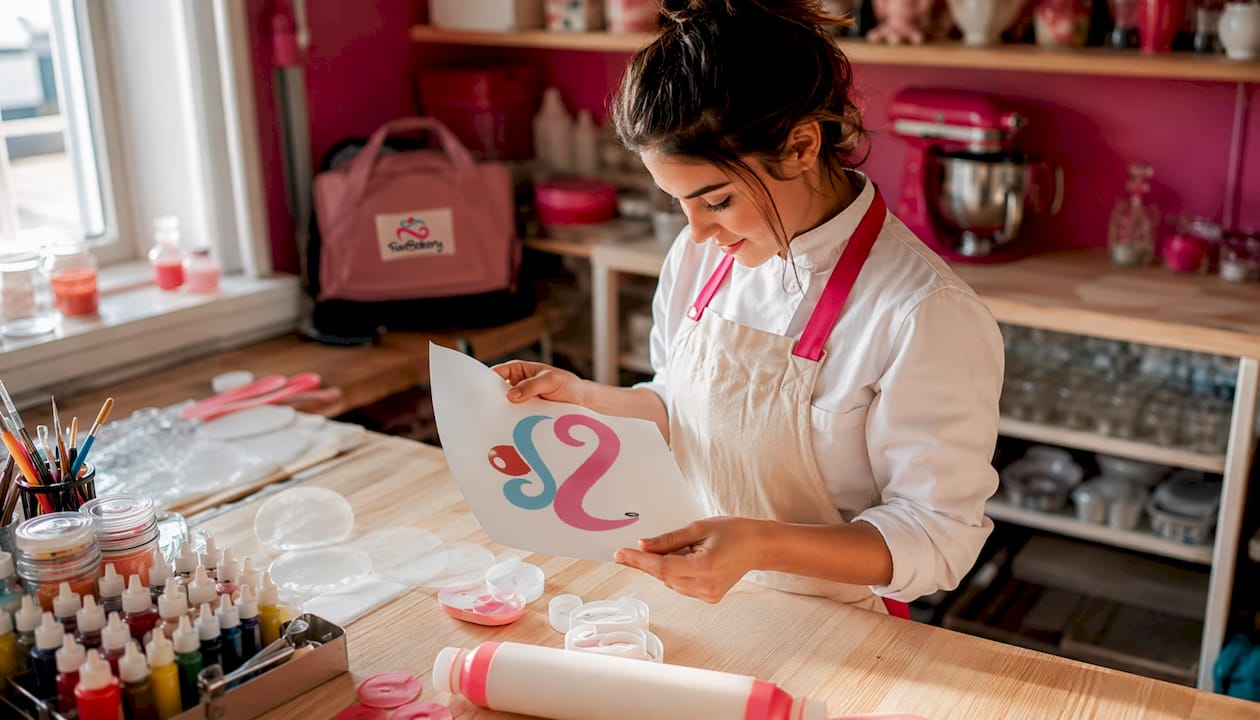
A roadmap for a successful custom party begins long before the event. The foundation of everything is a cohesive visual identity: the same colors, typography, and graphic style should run through every element of the party, including the edible decorations. Custom wafer paper and sugar sheets are the highest visual impact points because they are at the center of the table and in the hands of every guest. When these elements tell the same story as the balloon, the invitation, and the tablecloth, the party stops looking assembled and starts looking thoughtfully planned.
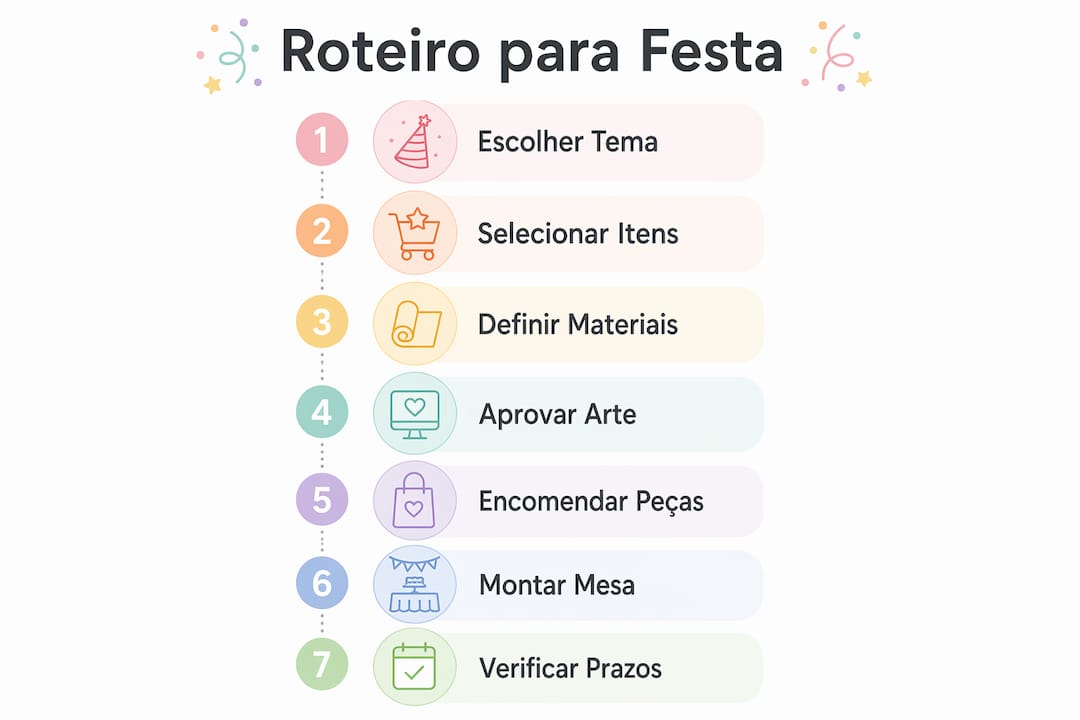
To structure this roadmap, there are five pillars that cannot be missing:
- Defined visual identity from the start: color palette, typography, and graphic style applied to all materials, including the edible pieces
- Strategic selection of elements to customize: focus on the cake, the main sweets, and the party favors, avoiding budget dispersion
- Advance planning: approval of the artwork at least 30 days in advance to accommodate adjustments
- Expectation management: a realistic number of guests, without inflating, and an alternative plan for critical suppliers
- Contingency: have alternatives for the most important elements, especially the custom edible ones, which have a fixed production deadline
Table of Contents
- How to create a custom party roadmap step by step
- Common challenges in personalizing edible decorations
- What experts say about custom edible decorations
- Custom wafer paper and sugar sheets from Funbakery for your party
- Main conclusions
How to create a custom party roadmap step by step
Planning begins with the theme and the color palette. Themes such as vintage, tropical, monochrome, or enchanted garden make visual harmonization easier because each has a recognizable graphic language that suppliers already master.
With the theme defined, choose which edible items will receive customization. The practical rule is simple: focus on the points of greatest interaction, such as the main cake, the cupcakes, and the party favors. Customizing everything at the same time dilutes the impact and stretches the budget without a proportional return.
The choice of printing material is technical and should not be left until the last minute. The type of edible paper — sugar or wafer (oblea) — should correspond to the application: sugar paper adheres better to smooth frostings like fondant, while wafer paper works well on surfaces with fat, such as whipped cream or buttercream. Using the wrong material compromises the printed image.
Professional tip: Always ask for a digital proof of the artwork before approving production. Color, positioning, and text adjustments are much simpler to correct in a file than after it is printed.
The recommended minimum deadline for ordering custom pieces is 30 days before the party, especially on busy dates. This time accommodates artwork revisions, production confirmation, and delivery without pressure.
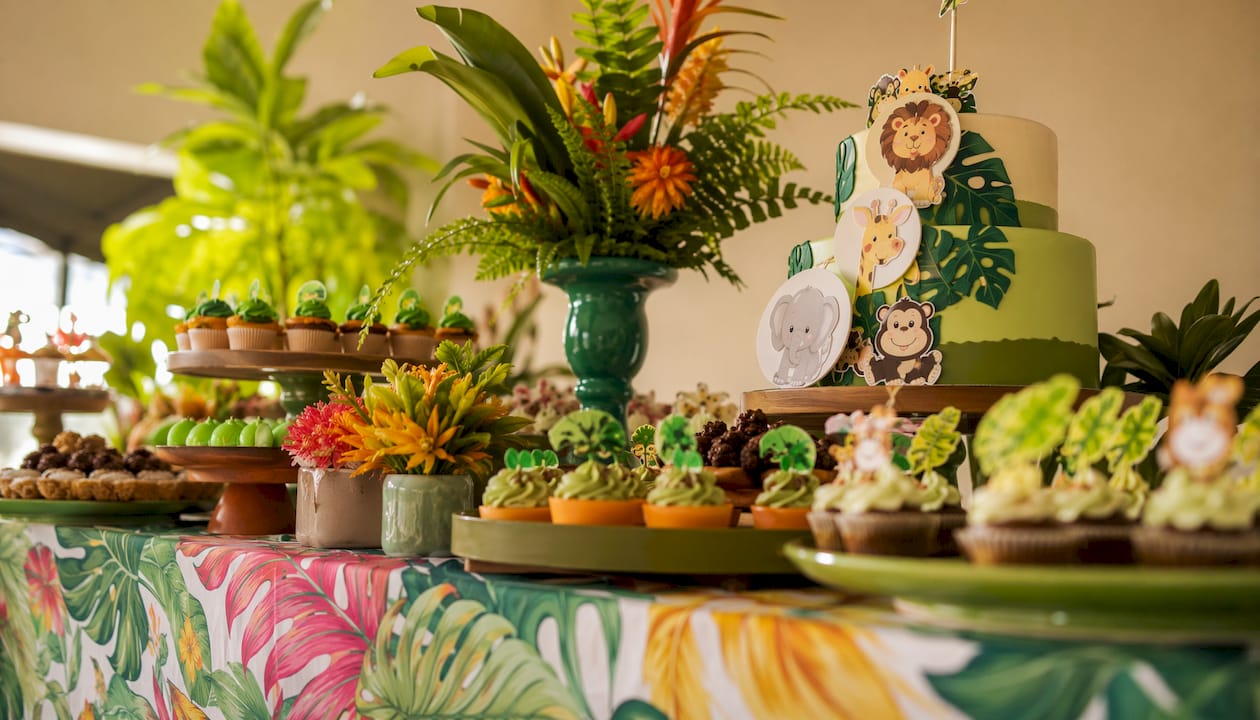
When assembling the main table, the cake occupies the center and the remaining sweets are distributed at varying heights using stands and trays. This alternation of heights and textures creates visual depth and enhances each piece individually. The wafer paper and sugar sheets on the cake naturally stand out in this composition.
Common challenges in personalizing edible decorations
1. Underestimating the artwork approval time
The most frequent mistake is leaving the order of the edible pieces for the last few weeks. Custom artwork approvals usually require two or three rounds of adjustments, and each round consumes business days. Those who order less than two weeks in advance run the risk of receiving the product without time to correct eventual problems.
2. Over-personalization
Personalizing every element of the party seems like a good idea until the budget and aesthetics come into conflict. Concentrating personalization on the points of greatest visibility, such as the cake and the main sweets, keeps the party elegant without overloading the visual.
3. Fragmented visual identity
When each supplier receives a different reference for color or style, the final result looks uncoordinated. Sharing a single visual guide with all suppliers, including the artwork file for the wafer paper, solves this problem before it appears.
4. Unrealistic management of the number of guests
Overestimating the guest list leads to the waste of custom pieces that cannot be reused. Orders of wafer paper and sugar sheets should be based on the confirmed list, not the expected list.
5. Absence of an alternative plan for suppliers
For critical elements such as the cake and the edible decorations, having an alternative supplier identified in advance avoids last-minute crises.
6. Improper storage
Wafer paper and sugar sheets are sensitive to humidity. They should be stored in a dry place, away from heat sources, inside the original packaging until the moment of application. Exposing the edible paper to the open air hours before use can make it curl or lose sharpness.
Professional tip: If the party is outdoors or in a humid season, apply the edible paper to the cake as close as possible to the time of serving.
7. Combination of flavors without coherence with the theme
Flavors are also part of the experience. A chocolate cake with tropical theme wafer paper works visually, but a passion fruit or red fruit filling reinforces the theme narrative in a way that guests perceive, even without articulating why.
8. Fragmented communication between organizers and designers
When the party organizer, the artwork designer, and the wafer paper supplier do not share the same visual reference, color and scale discrepancies arise. Proving the visual artworks before final production eliminates rework and maintains consistency among all pieces.
What experts say about custom edible decorations
Edible personalization is not just aesthetic. When the visual details are coherent and well coordinated, guests perceive greater quality and planning, even without consciously identifying what is different. The memory of the party becomes associated with this care.
The centralized coordination of the artworks, with a single reference file shared among all suppliers, is what prevents the color discrepancies that appear on the table and that no photograph can hide. For children's parties, the custom sugar sheets with characters and names have an immediate emotional impact on children, who recognize the element as made especially for them.
Custom wafer paper and sugar sheets from Funbakery for your party
Funbakery offers custom wafer paper and sugar sheets for cakes, cupcakes, and cookies, with a catalog that includes superheroes, children's characters, sports, animals, and themes for adults. For parties with a specific theme, the custom design service incorporates photos, names, ages, and texts of your choice, with prior artwork approval before production.
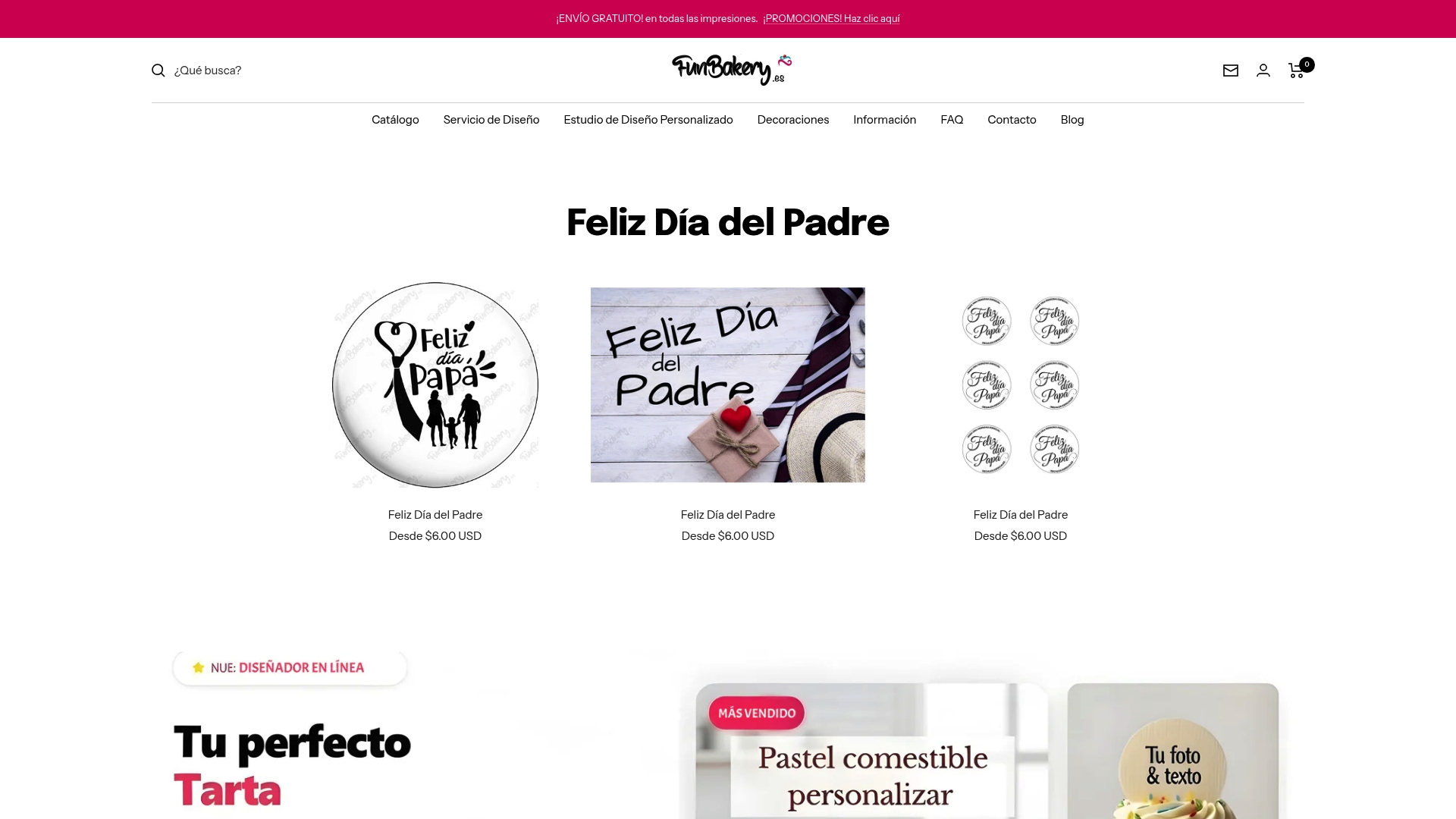
The recommended deadline for orders is at least 30 days before the party, ensuring time for adjustments and delivery without pressure. You can explore custom wafer paper for parties directly in the Funbakery store and see examples of decoration with sugar paper to inspire you before placing the order.
Main conclusions
A roadmap for custom parties with edible decorations requires a cohesive visual identity, strategic selection of elements to customize, and ordering at least 30 days in advance.
| Point | Details |
|---|---|
| Cohesive visual identity | Use the same color palette and typography in all elements, including wafer paper and sugar sheets. |
| Focus on personalization | Concentrate resources on the cake, main sweets, and party favors to keep aesthetics and budget balanced. |
| Order deadline | Ordering at least 30 days in advance accommodates artwork adjustments and guarantees availability. |
| Correct storage | Store wafer paper and sugar sheets in a dry place, in the original packaging, until the moment of application. |
| Funbakery | Offers wafer paper and sugar sheets with custom design, prior artwork approval, and a variety of themes for any party. |