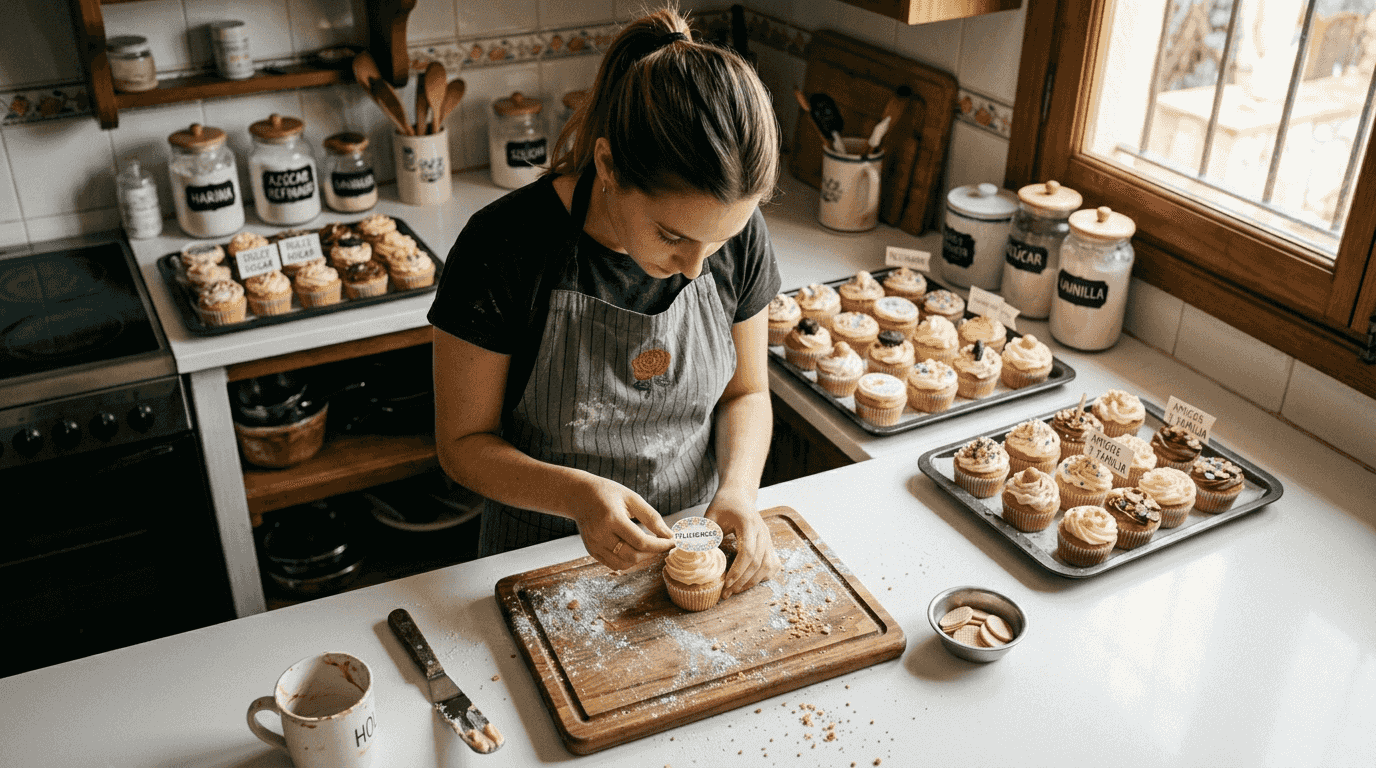
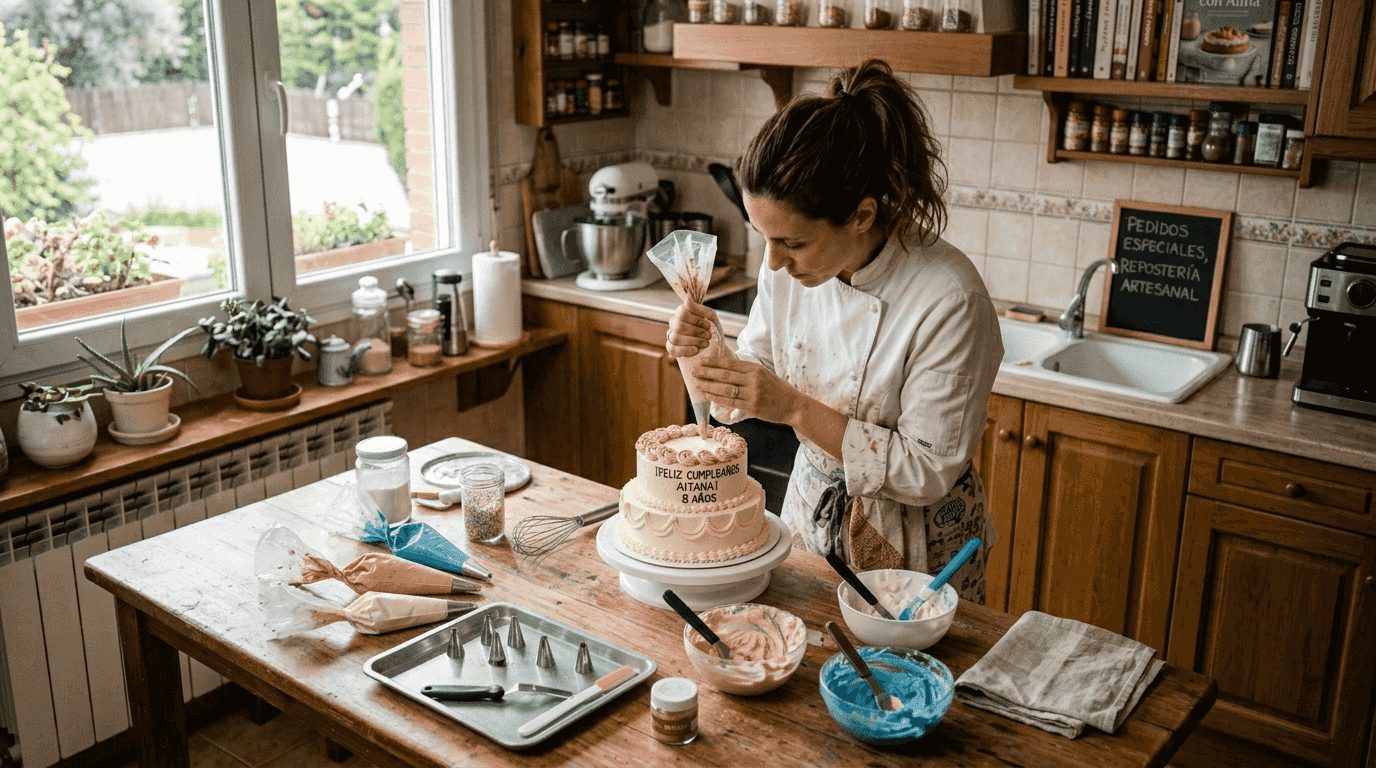
Have you ever thought about effortlessly turning your child's birthday cake into a truly personalized work of art? Edible photos have revolutionized the way we decorate cakes and sweets in Portugal, but many parents and event organizers still have questions about the safety, application, and quality of these products. This article will show you how to transform any celebration into a memorable experience using certified food technology that is surprisingly easy to apply.
Table of Contents
- What are edible photos?
- How edible photos work: process and application
- Benefits of edible photos for parties and events
- Comparison between types of edible papers
- Common myths and mistakes about edible photos
- How to choose and prepare the image for edible photos
- Where to buy personalized edible photos in Portugal
- Personalize your cake with edible photos from Funbakery
- Frequently Asked Questions
Key Findings
| Point | Details |
|---|---|
| Emotional personalization | Edible photos create unique connections by transforming cakes into lasting visual memories. |
| Certified safety | Approved materials and food-grade inks ensure they are completely safe for children and adults to consume. |
| Easy application | An intuitive process on fresh frosting allows for professional results without prior experience. |
| Variety of papers | Sugar paper, wafer paper, and rice paper offer distinct characteristics for every need. |
| Supplier selection | Choosing trusted brands ensures superior quality and compliance with Portuguese regulations. |
What are edible photos?
Edible photos are images printed on special papers made specifically to ensure safety and print quality for cakes, using certified food-grade inks. These photos transform cakes, cupcakes, and other sweets into personalized pieces that combine visual art with flavor.
The main types of edible papers include three distinct options. Each offers unique characteristics that affect the final decoration result.
- Sugar paper: a smooth, glossy surface that reproduces vibrant colors in high definition, ideal for sharp photographs
- Wafer paper: a translucent, flexible paper with a more delicate texture, perfect for artistic effects and edible flowers
- Rice paper: a porous texture with a lower ability to reproduce fine details, more common in Asian markets
The food-grade inks used in these prints are made with dyes approved by the European Union. These inks ensure complete food safety and preserve colors for several days after application. The base composition is water combined with glycerin and certified dyes.
Typical applications go far beyond traditional birthday cakes. You can use edible photos on themed cupcakes, personalized chocolates, decorated cookies, and even elaborate desserts for weddings and baptisms. This versatility allows you to create everything from simple designs with names and ages to complex photographic reproductions of favorite characters or special family moments.
Professional Tip: Always check that the supplier has valid food certifications in Portugal before buying. Compliance with European standards ensures that the materials have been tested and approved for human consumption.
How edible photos work: process and application
The process of creating and applying edible photos is simpler than you think. Understanding each step ensures professional results even for beginners.
Selecting the image is the first critical step. High-resolution images (at least 300 DPI) ensure perfect sharpness when printed. JPEG or PNG formats work best, with a preference for well-lit photographs with adequate contrast.
Printing takes place on specialized printers that exclusively use certified edible inks. Never use conventional office printers, as regular inks are toxic. Certified edible paper passes through the printer like regular photo paper.
The application process follows specific steps:
- Prepare the cake with an even layer of fresh frosting or slightly moist fondant
- Carefully remove the backing from the edible paper without touching the printed image directly
- Place the photo centrally on the prepared surface, starting from one end
- Smooth it gently with clean hands or a soft spatula to remove air bubbles
- Let it rest for 10 to 15 minutes to set completely before handling
Post-application care is essential to preserve quality. Avoid refrigeration for the first two hours, as condensation can blur the colors. Keep the cake in a cool, dry place, protected from direct sunlight. If you need to refrigerate it, cover it lightly with plastic wrap without touching the image.
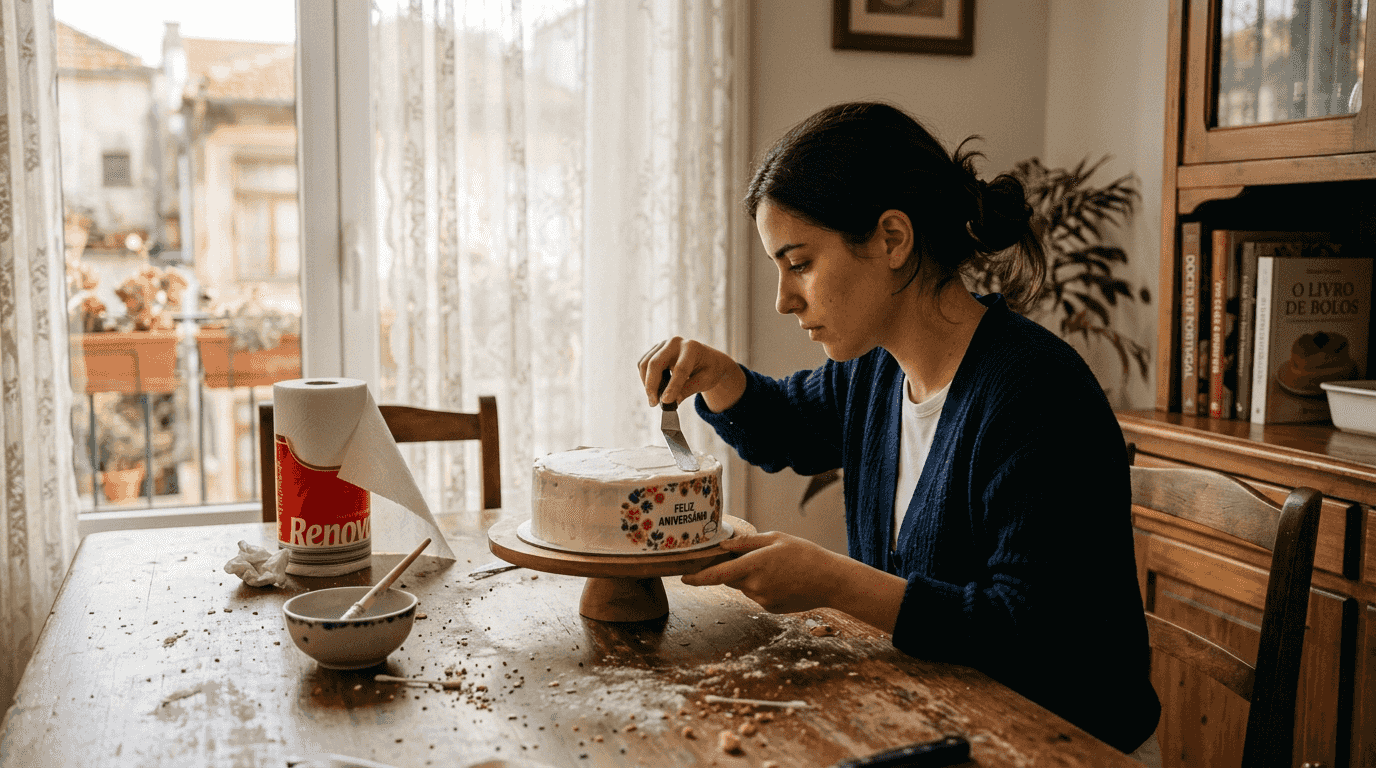
Professional Tip: To avoid bubbles, apply the photo from one side to the other as if you were hanging wallpaper. Use a clean card wrapped in plastic wrap to smooth it progressively, pushing the air out. This method ensures perfect adhesion without damaging the image.
Excess moisture is the main enemy of edible photos. If the frosting is too wet, the image may partially dissolve. The ideal point is fresh frosting that is not runny, with a firm, creamy consistency.
Benefits of edible photos for parties and events
Edible photos offer significant advantages that go beyond simple decoration. Personalization creates unique emotional bonds that transform parties into lasting memories.
Studies indicate that personalized decorations like photos on cakes strengthen the emotional bond and memory of the event. When a child sees their favorite character or their own photograph on a cake, the experience becomes unforgettable. This emotional connection is impossible to replicate with generic decorations.
Time savings are another surprising benefit. Traditional handmade decorations can require hours of meticulous work with frosting and piping bags. An edible photo offers the same visual impact in just 10 minutes of application. For busy parents or event organizers with multiple events, this efficiency is transformative.
Professional quality is within everyone's reach. You do not need to be an experienced pastry chef to create spectacular cakes. Digital printing ensures perfect reproduction of colors and details that would be impossible to achieve by hand. The final result rivals professional work, but at a much lower cost.
“The ease of application allows anyone to create impressive decorations without specialized training. It democratizes the art of pastry making.”
The thematic versatility is unlimited. You can create everything from children's designs with superheroes and princesses to elegant decorations for weddings and corporate events. The same technology that prints an animated character can reproduce corporate logos or photographs of couples.
The cost-benefit far outweighs traditional alternatives. A personalized edible photo usually costs between 8 and 15 euros, while hiring a pastry chef for equivalent handmade decoration can cost 50 euros or more. The savings are significant without compromising quality or visual impact.
Comparison between types of edible papers
Choosing the right paper makes all the difference in the final result. Each type has specific characteristics that are best suited to certain applications and budgets.
Sugar paper offers sharper images and more vibrant colors than rice paper or wafer paper, with up to 20% better definition. The smooth, slightly glossy surface reproduces photographs with true photographic quality. It is the preferred choice for events where the image needs to be the main highlight.
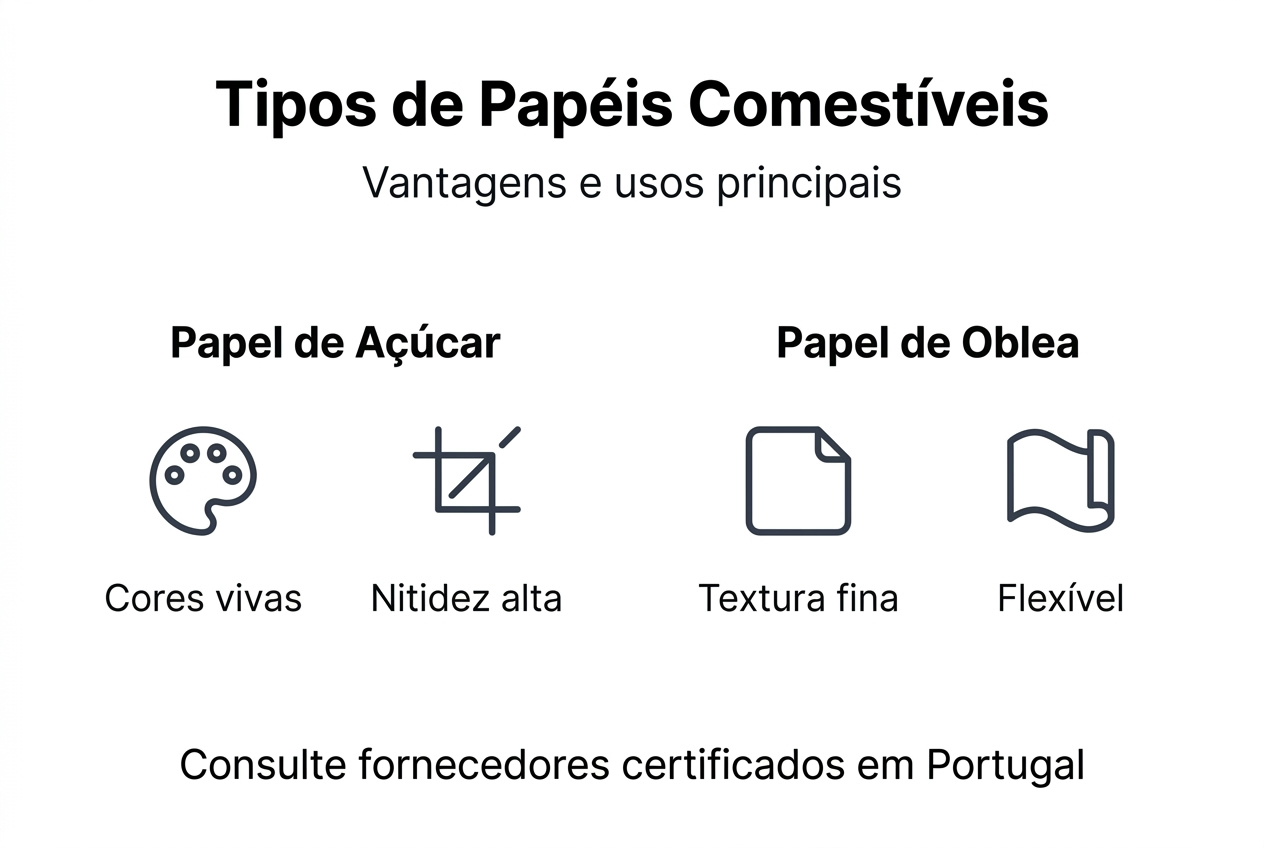
| Characteristic | Sugar Paper | Wafer | Rice Paper |
|---|---|---|---|
| Image sharpness | Excellent (high definition) | Good (slightly translucent) | Moderate (visible texture) |
| Texture | Smooth and glossy | Thin and flexible | Porous and matte |
| Durability | High (resists moisture well) | Medium (more fragile) | Low (absorbs moisture quickly) |
| Relative cost | Medium-high | Low-medium | Low |
| Best for | Sharp photographs and vibrant colors | Artistic effects and flowers | Simple designs and limited budgets |
Wafer paper has a unique advantage in artistic applications. Its translucency allows for layered effects, and its flexibility makes it easy to mold into three-dimensional shapes. It is perfect for edible flowers and decorations that need to be folded or curved without breaking.
Rice paper is less popular in Portugal due to its porous texture, which compromises sharpness. The uneven surface absorbs ink unevenly, resulting in less vibrant colors. It works well for designs with large text or simple illustrations, but not for detailed photographs.
The type of party and desired effect should guide the choice. For children's birthdays with colorful characters, sugar paper is ideal. For elegant weddings with delicate flowers, wafer paper offers sophistication. Budget also matters, especially for larger events with multiple cakes.
Professional Tip: Combine sugar paper for the main image with wafer paper for additional decorative elements. This strategy maximizes visual impact while controlling costs. For example, use an edible photo on sugar paper in the center and wafer flowers around it.
Common myths and mistakes about edible photos
Various misconceptions about edible photos persist, causing unnecessary hesitation. Clarifying these myths ensures informed decisions and better results.
The most common myth is that edible photos alter the taste of the cake. This is completely false due to their thinness and composition, which is mainly neutral sugar. The paper is less than 0.3 millimeters thick, and the flavor is imperceptible when applied over frosting. Those who try it confirm that they cannot distinguish any difference in taste.
The most frequent mistake is using low-resolution images. Photographs taken from social media or excessively enlarged become pixelated when printed. The result is a blurry image that is disappointing. Always use original high-quality photographs or professional vector designs.
Other mistakes seriously compromise the results:
- Applying over dry frosting: the photo will not adhere properly and may peel off during transport or when cutting the cake
- Using frozen cake: condensation upon thawing blurs the colors and may partially dissolve the image
- Refrigerating immediately: refrigerator moisture causes spotting and discoloration in the first few hours after application
- Exposing to direct sunlight: colors fade quickly, especially intense red and blue tones
- Handling with wet hands: water dissolves the food-grade ink and leaves permanent marks on the image
Lack of post-application care is another common problem. Many people apply the photo perfectly but then store the cake incorrectly. The ideal environment is room temperature (18-22°C) in a dry place, lightly covered with a cardboard box that does not touch the surface.
To avoid these mistakes, follow a complete preparation guide before you start. Prepare all materials, check the consistency of the frosting, and have a plan for proper storage. Prevention is much more effective than trying to fix problems later.
How to choose and prepare the image for edible photos
The quality of the final image depends directly on proper preparation. Following specific technical requirements ensures professional results worthy of special events.
A minimum resolution of 300 DPI is mandatory for acceptable sharpness. Images with lower resolution become blurry when enlarged to cake size. If the original photograph does not have sufficient resolution, consider using a vector graphic design instead of enlarging a pixelated image.
The recommended formats are JPEG or PNG. JPEG works best for complex color photographs. PNG is preferable for designs with transparent backgrounds or text on solid colors. Avoid compressed formats like GIF that limit the color palette.
The visual quality of the original image makes a huge difference:
- Prefer photographs taken with good natural lighting, avoiding direct flash that creates harsh shadows
- Choose images with adequate contrast between the subject and the background to highlight the main elements
- Check that faces are well focused and expressions are clear and recognizable
- Avoid dark or overexposed photographs that lose details in the shadows or highlights
The composition must be carefully reviewed before sending it for printing. Make sure important elements are not positioned near the edges, where they may be cut off during application. Leave a safety margin of at least 1 centimeter around critical elements such as faces or text.
Professional Tip: Use free online tools like Pixlr or Canva to check and adjust the resolution before sending. These platforms show the current DPI and allow you to improve contrast and brightness. Investing 10 minutes in this preparation ensures superior results that justify the special event.
When using photographs of children or family members, choose happy moments with natural expressions. Avoid forced poses or overly formal photographs that do not capture personality. Spontaneity creates stronger emotional connections.
Where to buy personalized edible photos in Portugal
Finding reliable suppliers is essential to ensure quality and safety. The Portuguese market offers several options, but not all maintain the same standards.
Funbakery stands out as a reference for personalized edible photos in Portugal. It offers personalized design by professional designers who create exclusive images incorporating photographs, names, ages, and themed elements. The superior quality of the materials and certified inks ensures vibrant colors and complete food safety. Delivery is fast, normally between 3 to 5 business days nationwide.
Other local suppliers and online platforms also sell edible photos. However, it is absolutely critical to check food safety certifications before buying. Not all online sellers use materials approved by the European Union. Products imported from Asian markets may not comply with Portuguese regulations.
The importance of choosing suppliers with a proven reputation cannot be underestimated. Health risks arise when uncertified inks contain toxic components. Documented cases show allergic reactions caused by unapproved dyes. Initial savings do not compensate for potential health problems.
Tips for evaluating suppliers include specific checks:
- Confirm that they present valid food certifications issued by competent European authorities
- Check previous customer reviews on independent platforms to confirm consistent quality
- Explicitly ask about the origin of the papers and inks used in the production of the photos
- Prefer suppliers that offer a satisfaction guarantee or a clear return policy
Compliance with Portuguese regulations is mandatory by law. All food products, including edible decorations, must follow ASAE (Food and Economic Safety Authority) standards. Legitimate suppliers provide supporting documentation when requested.
The custom design service offered by Funbakery eliminates technical concerns. Simply send the photograph or describe the idea, and professional designers will create the ideal layout. This service is especially valuable for those who do not have experience with image preparation or design software.
Personalize your cake with edible photos from Funbakery
Turning the knowledge you have acquired into action is simple with Funbakery's practical solutions. The platform offers a wide range of personalized edible photos with popular themes that delight children and adults.
The exclusive design service makes any event in Portugal stand out. Experienced designers create professional layouts incorporating personal elements that make each cake unique.
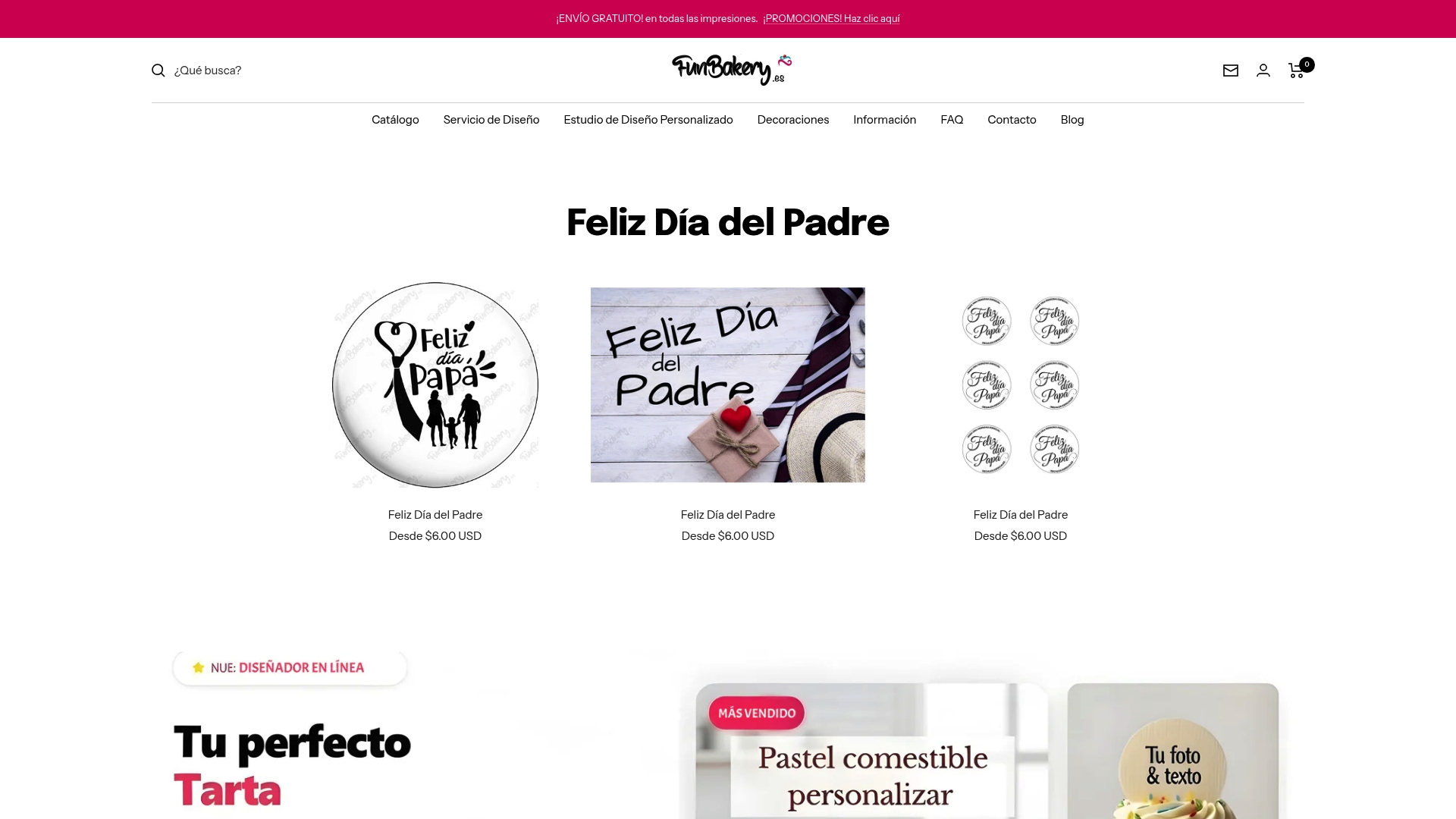
You can buy ready-made edible photos with characters like Minecraft or Stumble Guys, already prepared for immediate application. For something truly special, request a custom design through the creative studio for any occasion, from children's birthdays to elegant weddings.
Professional Tip: Take advantage of the convenience of buying online with direct delivery. Order one week in advance to ensure enough time for creation, production, and shipping without last-minute stress.
Frequently Asked Questions
Is it safe to use edible photos on cakes for children?
Yes, as long as the photos are produced with certified papers and inks that guarantee complete food safety. It is essential to buy from reliable suppliers that follow Portuguese and European regulations. Approved materials are rigorously tested and pose no risks when consumed.
What is the best way to apply an edible photo to a cake?
Apply it over fresh frosting or slightly damp fondant to ensure proper and lasting adhesion. Avoid completely dry surfaces where the photo will not stick, and never apply it to frozen cakes or very wet frosting. Smooth it gently from one side to the other, eliminating air bubbles for a perfect finish.
Can I use any image for edible photos?
It is necessary to use high-resolution images with at least 300 DPI to ensure acceptable quality and sharpness. In addition, make sure you have the rights or permission for commercial or personal use of the chosen image. Low-quality photographs or images protected by copyright cause legal problems or disappointing visual results.