


When planning a children's birthday party or a special celebration in Central Europe, every detail matters to create unforgettable memories. Personalizing edible wafers for cakes and cupcakes transforms desserts into visual centerpieces and adds a unique touch to any party. The ability to print specific images and designs on these thin sheets elevates the decoration and ensures that the experience is as special as the occasion itself.
Table of Contents
- What are edible wafers in baking
- Main types and materials of wafers
- How personalized printing works
- European regulations and food safety
- Common mistakes when choosing decorative wafers
Main Conclusions
| Point | Details |
|---|---|
| Edible wafers | They are light and crispy sheets, ideal for decorating desserts without altering their flavor. |
| Variety of types | There are different types of wafers, such as wheat, rice, and corn, each with specific characteristics for different needs. |
| Personalized printing | Printing technology allows the creation of unique and personalized decorations on edible wafers. |
| Importance of food safety | Compliance with European regulations is essential to ensure the quality and safety of food products. |
What are edible wafers in baking
Edible wafers are thin sheets made to decorate and personalize desserts, transforming cakes and cupcakes into true culinary masterpieces. These delicate structures are made mainly with ingredients such as flour, water, and other components suitable for human consumption.
Their main characteristics include:
- Ultralight and crispy texture
- Extremely thin thickness
- Smooth surface ideal for image printing
- Neutral flavor that does not interfere with the flavor of the dessert
- Ability to be personalized with specific designs
Baking professionals use wafers as versatile tools to add an aesthetic and personalized touch to their creations. They are especially popular at children's parties, themed events, and special celebrations where visual design is as important as flavor.
The production of edible wafers requires technical precision. According to baking specialists, these thin sheets must meet strict food quality standards, ensuring that they are completely safe for consumption.

Professional tip: Always choose wafers from a certified source and verify that they are manufactured under strict food regulations for safe and high-quality decoration.
Main types and materials of wafers
Edible wafers represent a world of possibilities in dessert decoration, with various materials and compositions that adapt to different culinary needs. Food materials vary from traditional flours to more specialized alternatives, offering solutions for all types of decorations.
The main types of wafers include:
- Wheat wafers: The most traditional, made with wheat flour
- Rice wafers: Ideal for gluten-free diets
- Corn wafers: With a light texture and neutral flavor
- Gluten-free wafers: Perfect for people with food intolerances
- Flavored wafers: With added flavors such as vanilla or chocolate
Each type of wafer has specific characteristics that allow its use in different baking contexts. According to food production specialists, the choice of material depends directly on the desired final result, considering factors such as texture, flavor, and image printing.
Baking professionals especially value wafers for their versatility, allowing the creation of personalized designs ranging from simple decorations to complex artistic representations on cakes and desserts.
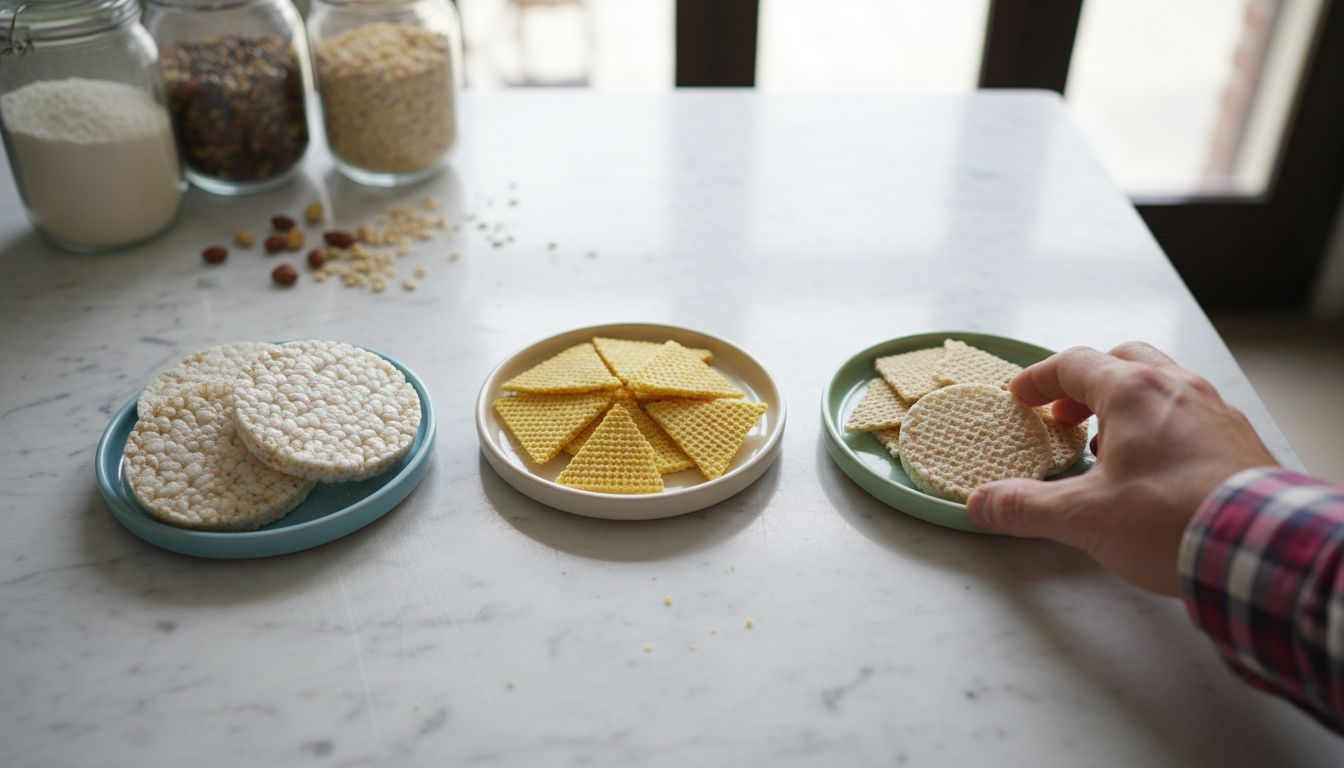
Below is a comparison between the main types of edible wafers according to their applications and advantages:
| Wafer type | Main application | Outstanding advantage | Suitability for allergies |
|---|---|---|---|
| Wheat | Traditional cakes | Ease of handling | Not suitable for celiacs |
| Rice | Gluten-free desserts | Light texture | Suitable for intolerant people |
| Corn | Children's decoration | Neutral flavor | Variable depending on composition |
| Gluten-free | Cupcakes and events | Food safety | Suitable for everyone |
| Flavored | Themed and special | Variety of flavors | Specific use |
Professional tip: When choosing wafers, always verify their food certification and compatibility with your specific decoration needs.
How personalized printing works
Personalized wafer printing is a revolutionary technology that transforms desserts into unique and creative canvases. Variable data technology allows the creation of fully personalized designs that adapt to each specific event and celebration.
The personalized printing process includes several fundamental stages:
- Image selection: Choice of the design or photograph to print
- Digital preparation: Adjustment and optimization of the image for edible printing
- Printing with food inks: Transfer of the design to the wafer
- Quality control: Verification of sharpness and precision of the final result
- Drying and packaging: Final process of preserving the printed wafer
Flexographic printing allows the transfer of images with high precision and quality, using flexible plates specially designed to print on edible surfaces. This technique guarantees that each wafer maintains sharp details and vibrant colors.
Baking professionals can create everything from simple decorations to complex artistic designs, allowing unlimited personalization on cakes, cupcakes, and other desserts.
Below are the key controls in personalized wafer printing:
| Process stage | Controlled risk | Professional requirement |
|---|---|---|
| Image selection | Visual quality | High-resolution image |
| Digital preparation | Precision and sharpness | Compatible software for printers |
| Edible printing | Ink safety | Use of certified inks |
| Final control | Food verification | Inspection by a qualified technician |
Professional tip: Make sure to work with professionals who use 100% edible and certified inks to guarantee the food safety of your designs.
European regulations and food safety
Food safety in the production of personalized wafers is a critical aspect that requires strict compliance with European regulations. Regulation (EC) establishes precise standards to ensure that materials in contact with food do not pose any risk to consumer health.
The main regulated aspects include:
- Raw materials: Certification of ingredients suitable for consumption
- Manufacturing processes: Control and traceability of each production stage
- Edible inks: Strict limits on chemical components
- Migration of substances: Evaluation of possible transfers to food
- Labeling: Clear information on composition and origin
The European Food Safety Authority conducts exhaustive scientific evaluations to determine the safety of the materials used in edible wafers, establishing parameters that directly protect the consumer.
For baking professionals, complying with these regulations is not only a legal obligation, but also an ethical responsibility that guarantees the quality and safety of food products.
Professional tip: Always request food conformity certificates from the personalized wafer supplier to ensure compliance with European regulations.
Common mistakes when choosing decorative wafers
The choice of decorative wafers requires meticulous attention to avoid common mistakes that can compromise the quality and safety of the final product. The most frequent mistakes generally arise from an inadequate selection that does not consider all technical and aesthetic aspects.
The main mistakes to avoid include:
- Ignoring food certification: Buying wafers without safety guarantees
- Neglecting compatibility: Choosing materials incompatible with the type of dessert
- Prioritizing aesthetics over functionality: Selecting designs that degrade the texture of the product
- Not verifying resistance to moisture: Using wafers that deform easily
- Underestimating print quality: Accepting designs with low definition or precision
The lack of knowledge about composition can generate significant risks, from presentation problems to potential health risks. Baking professionals must be especially careful in the selection of materials.
The correct choice of wafers not only impacts the visual appearance, but also the complete gastronomic experience, guaranteeing an impeccable and safe final result.
Professional tip: Always request samples and certifications before buying wafers in large quantities to evaluate their quality and performance.
Transform your desserts with personalized and safe wafers
Want to avoid common mistakes when choosing decorative wafers and guarantee the food safety required by European regulations? At FunBakery, we know the importance of selecting wafers with food certification and compatible materials that maintain the texture and flavor of your creations. Our wide range of cake wafers | wide variety of toppers allows you to find high-quality options that adapt to any event or need.

Discover how you can personalize desserts with unique designs and 100% edible inks in our category of personalized toppers for muffins and cakes. Do not compromise the safety or beauty of your cakes. Visit https://funbakery.es and take the next step to decorate your creations with wafers that combine innovation, quality, and regulatory compliance. Act now to surprise everyone with unique and safe decorations!
Frequently Asked Questions
What are edible wafers?
Edible wafers are thin sheets used to decorate desserts, designed to transform cakes and cupcakes into culinary masterpieces.
What are the main types of wafers for baking?
The main types include wheat, rice, corn, gluten-free, and flavored wafers, each with specific characteristics and uses in baking.
How does personalized printing on wafers work?
Personalized printing allows the creation of unique designs on wafers using edible inks, ensuring that each dessert is visually attractive and adapted to special events.
What regulations must be followed to guarantee the food safety of wafers?
Wafers must comply with strict regulations that ensure the quality of the ingredients, the safety of the inks, and the proper migration of substances, thus guaranteeing their safety for consumption.

