In summary:
- Edible decorations approved by regulators ensure safe consumption at parties and events. It is essential to check labeling, ingredients, and regulatory approval before using any product in confectionery.
Edible decorations are safe for human consumption, approved by food authorities, and used to decorate cakes, desserts, and other confectionery products at parties and events. Knowing what to consider when choosing edible decorations makes the difference between a beautiful table and a safe table. The wrong choice can expose your guests to unauthorized ingredients, including plastic polymers disguised as edible glitter. This guide covers safety criteria, available types, the best options for each type of event, and the most common mistakes to avoid in 2026.
What food safety criteria should you consider when choosing edible decorations?
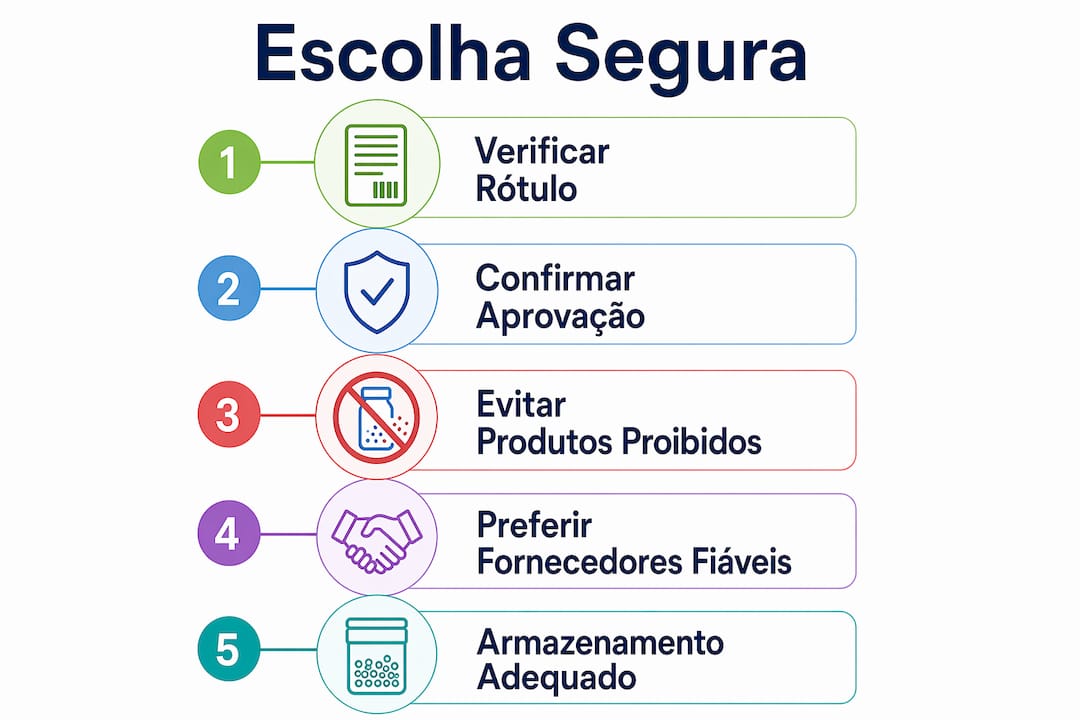
Food safety is the first filter in choosing any decoration for cakes or desserts. Before thinking about aesthetics, check if the product has approval from the competent regulatory body in the country of origin or destination. In Portugal and Brazil, products must comply with specific labeling and composition standards.
When analyzing the packaging, always confirm these elements:
- Clear indication of food use on the label (expressions such as “fit for consumption” or “edible”)
- Complete list of ingredients, without prohibited substances or plastic polymers
- Manufacturer identification with contact information and country of origin
- Batch number and expiration date visible and legible
- Regulatory approval from the competent body, such as Anvisa in Brazil or EFSA in Europe
In 2026, Anvisa canceled the sale of glitters and gold leaves that contained plastic polymers in their composition. This means that products that look like edible glitter may actually contain non-digestible materials that are harmful to health. Resolution-RE No. 156 suspended the sale of several irregular batches and required the recall of stock in circulation.
The risk is not just theoretical. Unauthorized decorations for food use have already caused health alerts in several countries. The distinction between a decorative product and an edible product is not always obvious on the packaging, especially for purchases made on social media or digital platforms without origin verification.
Professional tip: Never buy edible decorations without original packaging or a complete label. If the seller cannot show the product's regulatory approval, do not use it in food.
What are the most common types of edible decorations?
The types of edible decorations available on the market vary greatly in appearance, durability, and ease of application. Knowing the differences helps you choose the right product for each cake or dessert.
| Decoration type | Appearance | Durability | Best application |
|---|---|---|---|
| Fresh edible flowers | Natural and delicate | Low (1–2 days) | Wedding cakes and daytime events |
| Fresh and dried fruits | Colorful and textured | Medium (2–4 days) | Tarts, cheesecakes, and rustic cakes |
| Sugar pearls and sprinkles | Shiny and uniform | High (weeks) | Cupcakes, cookies, and birthday cakes |
| Edible gold and silver leaves | Luxurious and metallic | High (months) | Wedding cakes and premium events |
| Wafer paper and edible paper | Photographic and customizable | High (months) | Any type of cake or dessert |
| Certified edible glitter | Shiny and festive | High (months) | Cupcakes, themed cakes, and desserts |
Edible wafer paper and personalized sugar paper stand out for their versatility. They allow photographs, names, ages, and illustrations to be printed directly on the decoration with professional print quality. Funbakery, for example, produces personalized edible wafer paper for cakes, cookies, and muffins with a wide range of themes, from superheroes to children's characters.
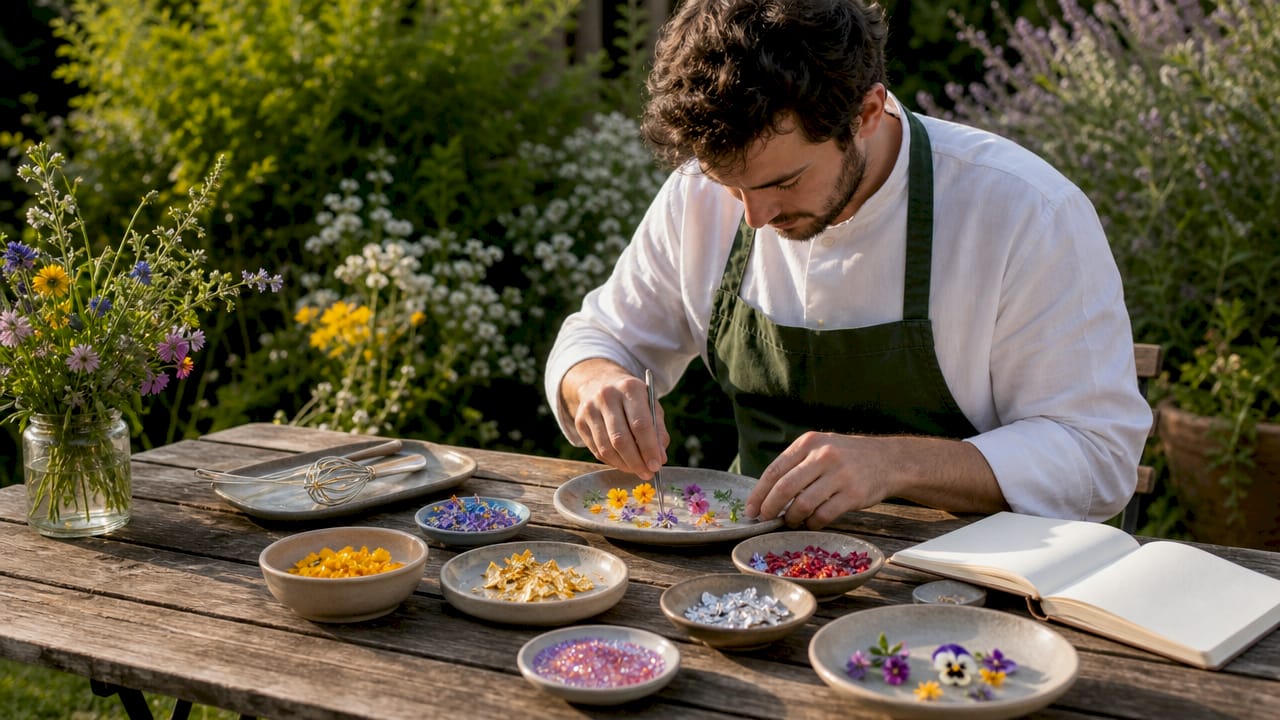
Edible gold and silver leaves are made of pure food-grade metal (23-karat gold or food-grade silver) and are safe when certified. The problem arises when decorative products with a similar appearance are sold without food certification. Always check if the packaging specifies “edible gold leaf” with purity and regulatory approval.
Fresh edible flowers, such as roses, violets, and orange blossoms, are a growing trend in 2026. Their durability is low, so they should be applied no more than 2–4 hours before serving. Always confirm that the flowers have not been treated with pesticides and that the species is safe for human consumption.
How to choose suitable decorations for each type of party?
The type of event determines the style, scale, and complexity of the decorations. A children's birthday party calls for bright colors and recognizable characters. A wedding requires elegance, a coordinated color palette, and premium finishes. Mixing these styles results in a visually confusing cake that is unsuitable for the context.
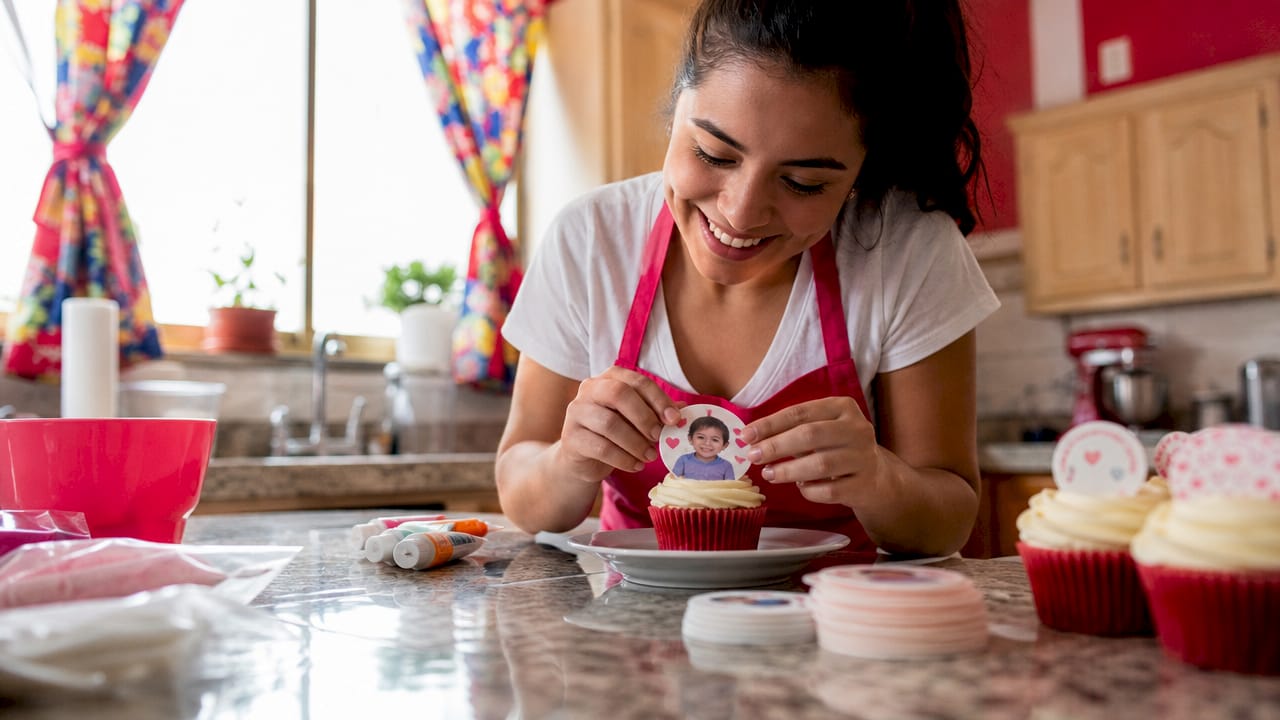
For children's parties, personalized wafer paper with the child's favorite characters is the most practical and safe choice. It allows for complete customization without requiring advanced confectionery skills. The benefits of edible decorations for parties include ease of application, food safety, and immediate visual impact.
Always consider these factors before deciding:
- Guests' food allergies: check if the decorations contain gluten, lactose, nuts, or artificial colors
- Party theme and color palette: the cake decoration should be consistent with the rest of the venue's decoration
- Guests' ages: young children need decorations without small detachable parts and without ingredients such as alcohol or caffeine
- Storage and transport conditions: fresh flowers and fruits do not withstand heat or long trips
- Available budget: wafer paper and sugar paper offer high visual impact at a controlled cost
For corporate events, discreet personalization with the company logo or brand colors is the most effective approach. Sugar paper printed with photographic quality solves this requirement without technical complications.
Practical tips to avoid common mistakes with edible decorations
-
Always buy from suppliers with a verifiable history. Avoid buying from social media profiles without a physical store or website with contact information. Purchases without proof of origin are the main cause of the inadvertent use of non-certified products.
-
Read the label twice before using. Clear labeling with an indication of food use is the most reliable sign that the product is safe. If the label does not explicitly mention “edible” or “fit for consumption,” do not use it.
-
Use edible glitter in moderation. The moderate use of certified glitter reduces costs and produces better visual results than excessive application. A well-placed pinch has more impact than a thick layer.
-
Store the decorations correctly. Wafer paper and sugar paper should be stored in a dry place, away from moisture and direct light. Moisture dissolves the edible paper before application and compromises the final result.
-
Apply the decorations at the right time. Fresh flowers and cut fruit should be placed on the cake as close as possible to the time of serving. Wafer paper and sugar paper can be applied in advance, but they must be protected from the moisture of the cream.
Professional tip: Before applying wafer paper to a cake with moist frosting, let the surface dry slightly or apply a thin layer of cocoa butter. This prevents the edible paper from dissolving before serving.
The distinction between edible decorations and merely decorative ones is a critical point that confectioners and consumers frequently ignore. Sugar flowers made for display cases, for example, may contain non-food dyes. Always check the stated purpose on the packaging.
Main conclusions
Choosing safe edible decorations requires checking regulatory approval, reading the complete label, and buying from reliable suppliers before considering any aesthetic criteria.
| Point | Details |
|---|---|
| Safety first | Check regulatory approval and ingredients before any other criteria. |
| Mandatory labeling | The label must indicate food use, manufacturer, batch, and expiration date. |
| Right decoration type | Choose the format (wafer paper, flower, sprinkles) according to the event and storage conditions. |
| Suitability for the event | Consider allergies, theme, guests' ages, and budget before deciding. |
| Verifiable suppliers | Buy only from stores with a proven history and original packaging. |
Safety is not optional: what I learned working with edible decorations
I have worked in confectionery for years, and the question I hear most is: “But is this glitter really edible?” The honest answer is that most people cannot tell the difference. And that is a serious problem.
I have seen beautiful cakes served at children's parties with decorative glitter bought at a craft store. The seller guaranteed it was “the same product.” It was not. The difference between decorative glitter and certified edible glitter is in the ingredients, not in the appearance. One contains synthetic mica or plastic polymers. The other is made of sugar, starch, or food-grade titanium dioxide.
The trend for 2026 points toward more natural decorations: fresh edible flowers, seasonal fruit, and sugar paper with photographic printing. This direction is positive because it reduces dependence on chemicals and makes safety verification easier. A fresh violet flower, harvested without pesticides, is easier to validate than a shiny powder of unknown origin.
My practical advice: educate the person ordering the cake. Show them the label of the product you will use. Explain the difference between edible and decorative. That conversation takes two minutes and can prevent a real health problem. Aesthetics matter, but safety is the deciding factor in any food decoration choice.
— David
Personalized edible decorations for your next event
Funbakery produces personalized edible wafer paper and sugar paper for cakes, cookies, and muffins, with a guarantee of food safety and professional print quality. The catalog includes themes for children's parties, weddings, birthdays, and corporate events.
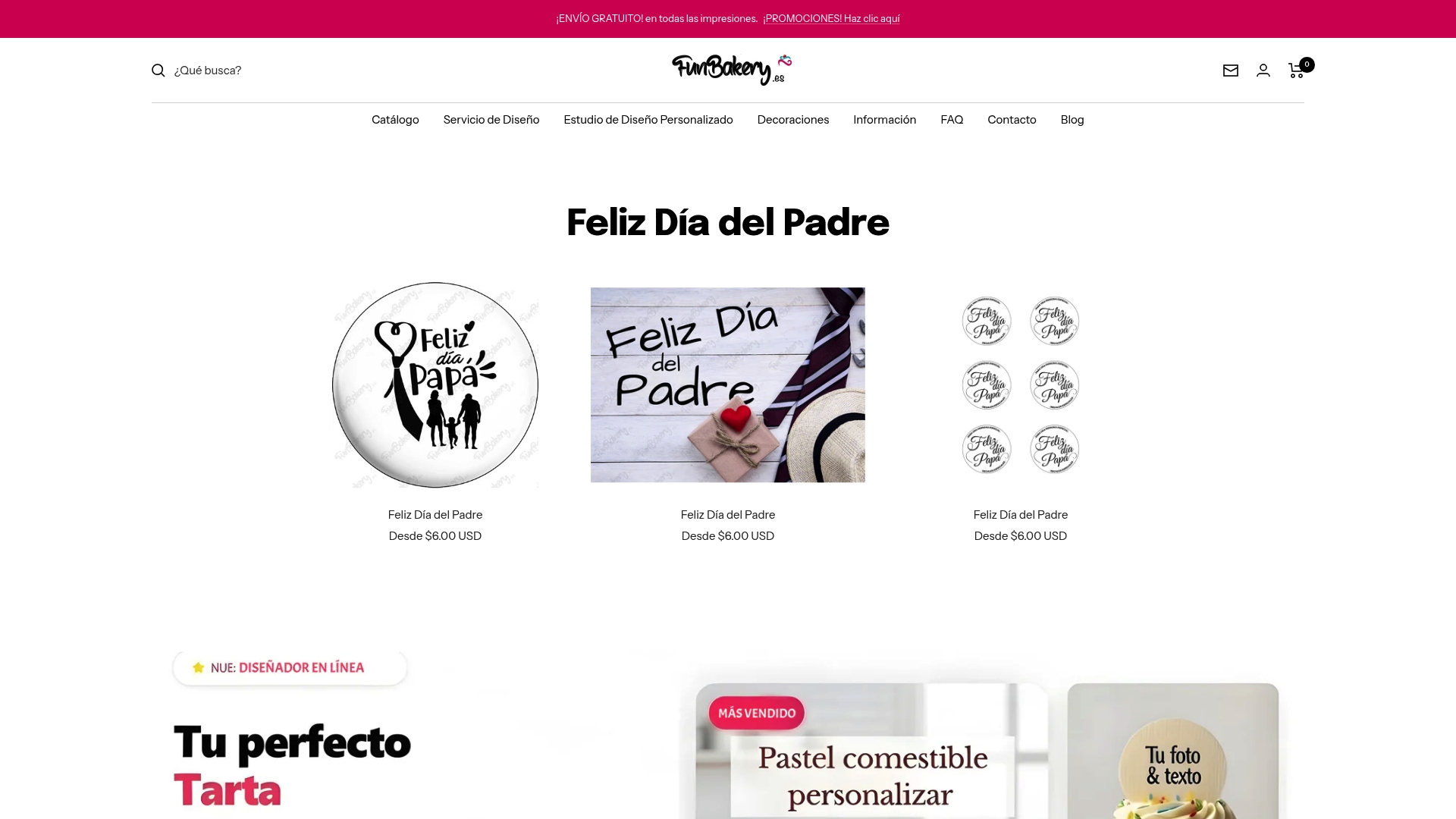
For children's parties, personalized cake wafer paper with favorite characters is the most sought-after option. Funbakery's custom design service allows photographs, names, ages, and custom text to be incorporated. All products comply with European food standards and arrive with original packaging and complete labeling. Consult the complete decoration catalog to find the right option for your event.
Frequently asked questions
What makes a decoration truly edible?
An edible decoration is made exclusively with ingredients approved for human consumption and has labeling that clearly indicates food use, manufacturer, and expiration date.
Is edible glitter safe for children?
Certified edible glitter, made of sugar or starch, is safe. Products with plastic polymers were suspended by Anvisa in 2026 and should not be used in food.
How to distinguish edible wafer paper from a non-food decoration?
The packaging of edible wafer paper explicitly states “edible” or “fit for consumption,” lists the ingredients, and identifies the manufacturer. Without these elements, the product should not be used in cakes or desserts.
Can I use natural flowers to decorate cakes?
Yes, provided that the flowers are of species safe for consumption, grown without pesticides, and applied shortly before serving. Roses, violets, and orange blossoms are common and safe options.
Where to buy edible decorations with a safety guarantee?
Buy from specialty stores with original packaging and complete labeling. Avoid products without manufacturer identification or sold without packaging, especially on digital platforms without origin verification.