In summary:
- Fun baking combines technique, flavor, and presentation to impress at any celebration. Mastering basic techniques makes it possible to create visually striking, consistent desserts, while choosing creative ingredients enhances both flavor and appearance. Professional, personalized decoration transforms every dessert into a memorable experience for all guests.
Fun baking is the balanced combination of technique, flavor, and presentation to create desserts that impress at every celebration. Mastering the key concepts of fun baking means understanding how to mix, bake, combine flavors, and decorate with intention, not just enthusiasm. A well-structured cake and a cohesive themed decoration make the difference between an unmemorable dessert and one that becomes the star of the party. This guide covers the essential fundamentals so that any enthusiast can achieve consistent, visually striking results for birthdays and special events.
What are the key concepts in fun baking?
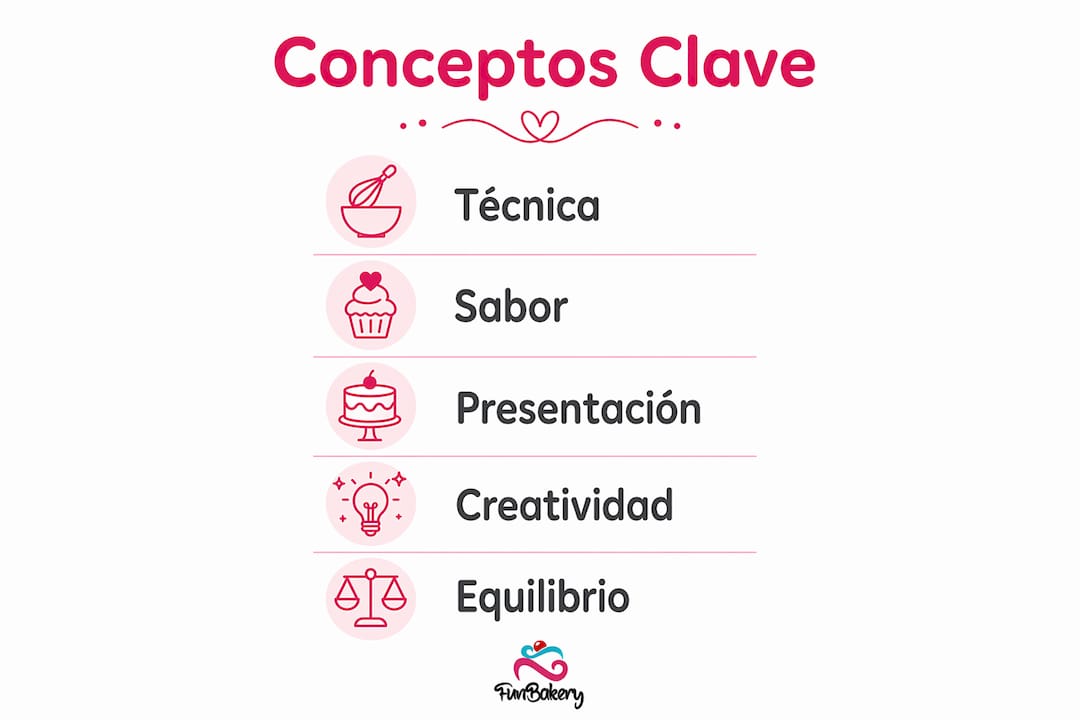
Creative baking is technique, flavor, and presentation in balance, not just eye-catching decoration. This means that a fun dessert must work on all three levels at once: taste good, have a good texture, and look attractive. When one of these three elements fails, the result loses coherence. Understanding this from the beginning helps avoid the most common mistake: prioritizing aesthetics and neglecting flavor or structure.
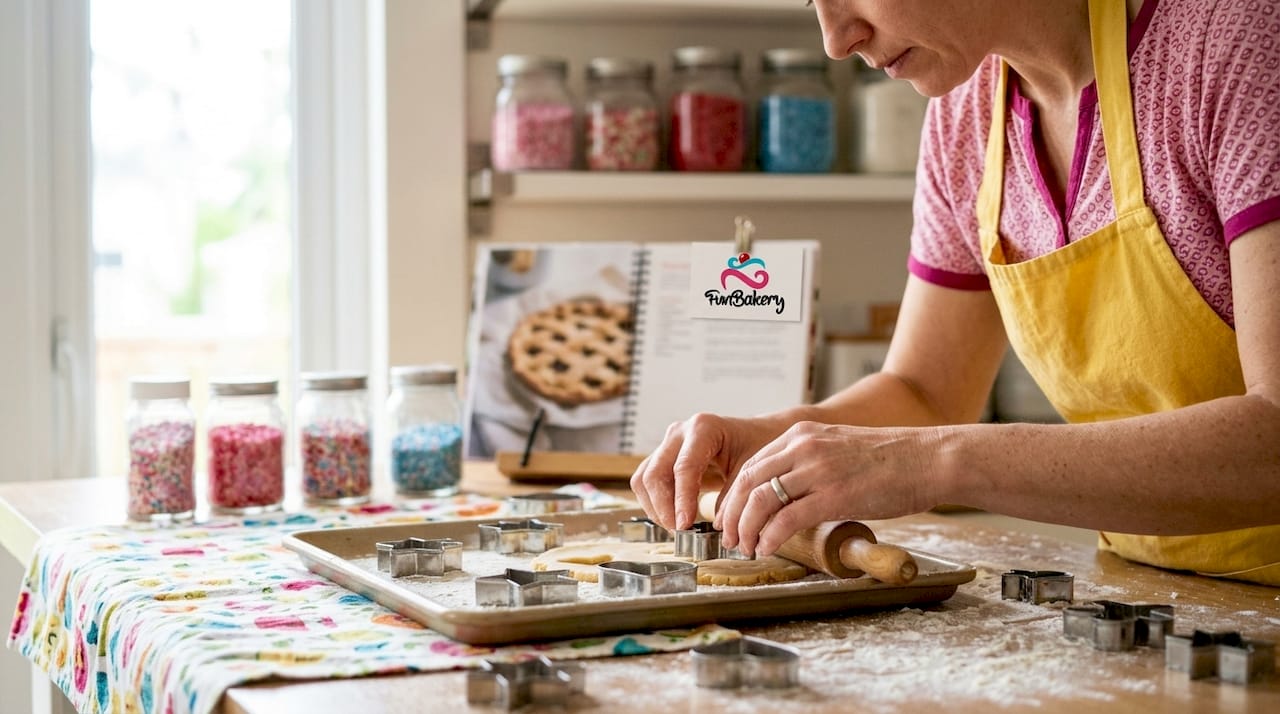
Fun baking, known in professional settings as creative baking, stems from well-established technical disciplines such as classic French pastry and artisanal confectionery. These disciplines provide the rigor necessary to ensure that the most original creations are also the most delicious. Without that foundation, creativity becomes edible chaos.
What are the basic baking techniques you should master?
Baking techniques are the foundation upon which any fun and well-executed creation is built. Without them, even the most creative ingredients will not produce consistent results.
-
Creaming and beating. Creaming butter with sugar until you get a pale, fluffy mixture incorporates air into the batter. That air is responsible for a light, even crumb. Over-beating or under-beating completely changes the final texture.
-
Temperature control. Controlling baking times and temperatures is key to firm structures and the desired textures. An oven that is too hot forms a crust before the batter rises; one that is too cool produces dense, moist cakes.
-
Emulsions and aeration. Emulsions stabilize mixtures of fat and water, such as in a ganache or pastry cream. Aeration, using whipped egg whites or semi-whipped cream, gives lightness to mousses and fillings. Mastering emulsions and batter stability separates the enthusiast from the discerning baker.
-
Precision in measurements. Baking does not tolerate improvisation with quantities. A kitchen scale and standardized measuring spoons eliminate variability. Using volume instead of weight for dry ingredients is the source of many failures.
-
Types of cake. Differentiating between a Genoise, a Chiffon, or a butter cake determines which recipes are viable for each decoration. A Genoise, for example, holds fondant better because it is more compact.
Professional tip: Before decorating, let the cake cool completely on a wire rack. A warm cake melts the buttercream and ruins hours of work.
What creative ingredients enhance fun baking?
Creative ingredients in baking serve a dual purpose: they add flavor and build the dessert's aesthetic. Choosing elements that only decorate, without adding a flavor nuance, produces superficial results.
- Sprinkles and nonpareils. They add crunchy texture and immediate color. Pure sugar ones melt in the mouth; chocolate ones add a bitter nuance that balances very sweet creams.
- Toasted nuts. Hazelnuts, pistachios, and sliced almonds add fat, crunch, and depth of flavor. Toasting them before using intensifies their natural oils.
- Chocolates from different origins. A single-origin 70% cacao chocolate has fruity or earthy notes that a standard couverture chocolate does not offer. Using both in the same recipe creates layers of flavor.
- Freeze-dried elements. Freeze-dried raspberries, strawberries, or mangoes provide a professional and creative finish without adding moisture. They are ideal for decorating cupcakes without softening the frosting.
- Edible flowers. Violets, pansies, and nasturtiums add natural color and a subtle floral touch. They work best in desserts with delicate flavors such as vanilla or lemon.
- Unconventional spices. Cardamom, powdered ginger, or Sichuan pepper open possibilities that cinnamon and vanilla do not cover.
Professional tip: Test each decorative ingredient separately before combining it. A topping that tastes good on its own can overpower or clash with the rest of the recipe.
How to combine flavors and textures for balanced desserts?
Flavor pairing or the strategic combination of flavors is the technique that allows you to create harmony and surprise in every dessert. It is not about mixing ingredients at random, but about understanding what aromatic compounds they share and how they complement each other on the palate.
Sensory balance starts with four main contrasts:
- Sour and sweet. A lemon curd on a Swiss meringue base is the classic example. The acidity of the lemon cuts through the sweetness of the meringue and makes both taste more intense.
- Salty and sweet. Salt enhances the aromas of chocolate and vanilla. A pinch of flaky sea salt on a brownie is not a trick: it activates taste receptors that sugar does not reach.
- Bitter and sweet. Coffee intensifies chocolate. A mascarpone cream with espresso on a cocoa cake base produces a dessert more complex than any of its parts separately.
- Spicy and sweet. Chocolate and chili or mango with salt are gaining popularity in fun baking. The spice arrives after the sweetness and prolongs the experience on the palate.
Texture reinforces flavor. A dessert with only one texture, for example, all creamy, tires the palate before finishing the dish. Combining a crunchy base, a soft filling, and a topping with some bite produces a complete experience.
| Combination | Effect on the palate |
|---|---|
| Lemon + meringue | Sour-sweet contrast, freshness |
| Chocolate + sea salt | Aromatic enhancement, depth |
| Coffee + vanilla | Complexity, warm notes |
| Mango + chili | Surprise, lingering finish |
| Raspberry + pistachio | Color, sour-fat contrast |
What are the most effective decorations for party cakes?
Fun cake decoration transforms a decent dessert into a piece that generates reactions. The most effective techniques combine ease of execution with high visual impact.
-
Textured buttercream. Swiss or American meringue buttercream accepts gel colorings and can be applied with a spatula or piping bag. Palette knife textures, waves, and color gradients are accessible to beginners and produce eye-catching results.
-
Fondant for precise shapes. Fondant allows you to model figures, letters, and themed motifs with precision. Its main limitation is flavor: many commercial fondants are too sweet. The solution is to use it in thin layers over a well-flavored buttercream base.
-
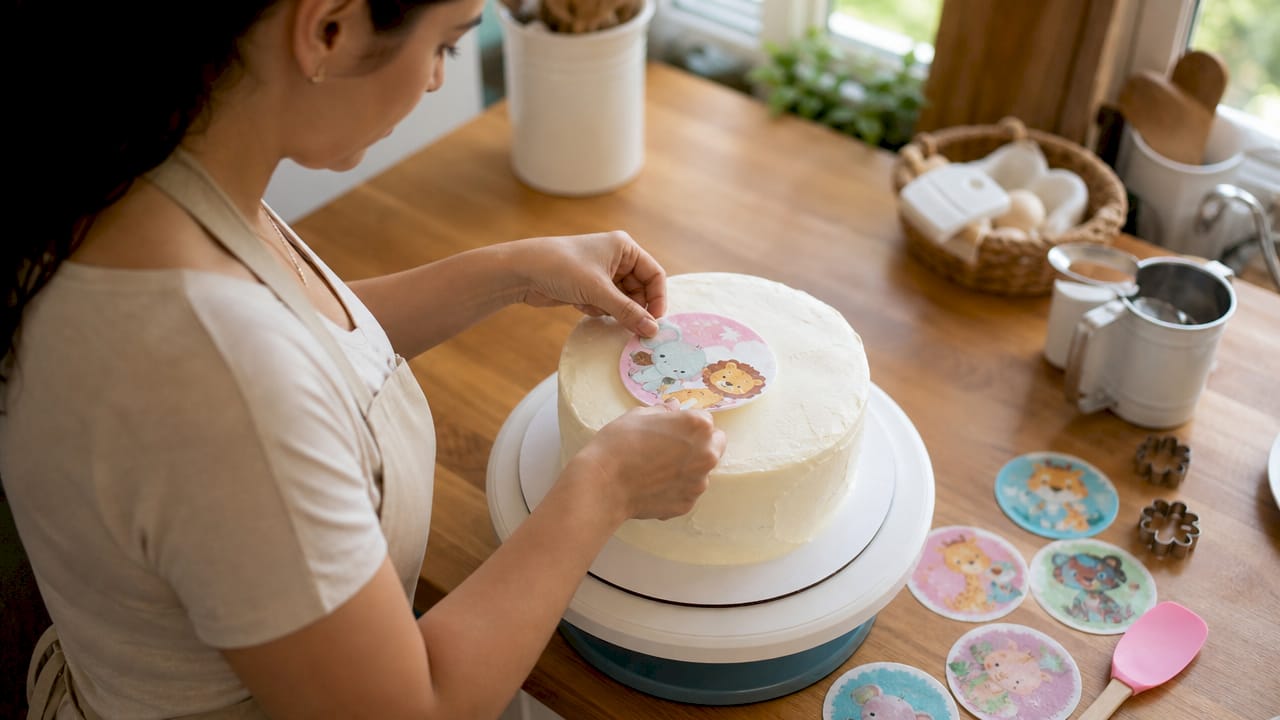
Edible paper and wafer prints. Fondant and buttercream combined with edible paper achieve professional finishes without the need for advanced modeling. An image printed on wafer paper or sugar paper reproduces any design, photograph, or character with photographic detail. This technique is the most accessible for those with no modeling experience.
-
Toppers and three-dimensional elements. Acrylic, wooden, or sugar paste figures add height and dynamism to the cake. Personalized toppers with the honoree's name and age are a highly valued resource for children's birthdays.
-
Themed motifs with vibrant colors. Emojis, superheroes, video game characters, and animals are the most requested motifs for parties. Using highly concentrated gel colorings guarantees vivid colors without altering the texture of the buttercream.
To avoid frequent mistakes, consult this creative decoration guide before starting any themed project.
How to apply these concepts to birthdays and special events?
Planning a dessert for a party requires integrating technique, ingredients, and decoration into an orderly process. Measuring, mixing, baking, and decorating have their own logic and rhythm. Following them reduces mistakes and makes the process more satisfying.
The starting point is the theme. Defining the visual motif before choosing the recipe allows flavor and decoration to be cohesive. A birthday cake with a video game theme can combine a dark chocolate base, hazelnut cream filling, and blue buttercream frosting with a wafer image of the favorite character.
- Choose the technique according to your level. If it is your first decorated cake, textured buttercream with edible paper is the safest combination. Save modeled fondant for when you master the basics.
- Prepare in advance. The cake can be baked two days before and kept wrapped in plastic wrap. The cream is prepared the day before. The final decoration is done on the same day.
- Control the moisture. Crunchy elements such as sprinkles or freeze-dried nuts are added at the last moment. The moisture of the filling softens them in a few hours.
- Personalize with small details. A name written with a piping bag, a number candle, or a topper with the birthday person's age elevates any cake without adding technical complexity.
- Review the common mistakes with edible paper before placing the image on the cake. A poorly hydrated or hot-placed wafer paper wrinkles and loses the design.
Professional tip: Always do a taste test before the event. Bake a small version of the recipe 48 hours in advance and adjust the sugar, salt, or acidity according to the result.
Key points
Fun baking requires mastering technique, combining flavors with intention, and choosing decorations that reinforce both the aesthetics and the flavor of the dessert.
| Point | Details |
|---|---|
| Technique as a foundation | Creaming, baking, and emulsifying correctly determines the texture and structure of the dessert. |
| Ingredients with a dual function | Choose toppings that provide flavor and texture, not just color or shape. |
| Deliberate flavor pairing | Combine sour-sweet, salty-sweet, or bitter-sweet contrasts for more complex desserts. |
| Accessible decoration | Edible paper and textured buttercream produce professional results without advanced modeling. |
| Planning by stages | Prepare the cake and cream in advance; reserve the final decoration for the day of the event. |
Technique unleashes creativity, it does not limit it
When I started baking seriously, I made the mistake that almost everyone makes: I thought creativity was enough. I bought eye-catching ingredients, used bright colorings, and opted for complicated designs. The results were visually interesting but, deep down, mediocre. The cake turned out dry, the cream too sweet, the decoration fell off.
What changed my way of working was understanding that technique is not the enemy of creativity. It is exactly the opposite. When you know why a cake rises, you can modify the recipe with judgment. When you understand how an emulsion works, you can add new ingredients without the cream breaking. Technique gives you real freedom, not the one you imagine when you improvise.
The other point that few mention is patience with flavors. Fun baking does not mean childish or excessively sweet flavors. It means desserts that create an experience. A birthday cake with dark chocolate, sea salt, and freeze-dried raspberry is as fun as one with vanilla and sprinkles, but it leaves a much more lasting impression. Dare to use flavor pairing as a tool, not as a random experiment.
My most honest advice: master three or four basic techniques before trying something complex. A well-executed Genoise, a stable Swiss meringue buttercream, and a balanced ganache allow you to make almost anything. Everything else is a variation on that foundation.
— David
Personalized wafer paper and sugar paper for your desserts
When technique and flavor are already resolved, decoration is the final step to turn a dessert into something memorable.

Funbakery produces edible wafer paper and personalized sugar paper for cakes, pastries, cupcakes, and muffins. The catalog includes superheroes, video game characters, animals, sports, and adult themes, with designs ready to use or completely custom-made. The personalized design service incorporates photographs, names, ages, and texts to achieve a unique finish. For children's birthdays, the themed Minecraft wafer paper and other popular characters are one of the most requested options for 2026.
Frequently Asked Questions
What is fun baking and how does it differ from classic baking?
Fun baking combines classic pastry technique with creative ingredients and themed decorations to create desserts with visual and sensory impact. The main difference is in the intention: it prioritizes the diner's experience and personalization over formality.
What is the easiest decoration technique for beginners?
Textured buttercream with edible paper is the most accessible option. It produces professional-looking results without the need for modeling or specialized tools.
How can I prevent the decoration from falling off or getting ruined?
The most common mistakes include poorly structured frostings and decorations that collapse due to a lack of support or excess moisture. Cool the cake completely before decorating and add crunchy elements at the last minute.
What flavor combination works best for a birthday cake?
Chocolate with sea salt and raspberry is one of the most balanced and surprising combinations. The contrast between bitter, salty, and tart creates a complex dessert that both children and adults will enjoy.
Can I customize an edible wafer with any image?
Funbakery offers a custom design service that allows you to incorporate photographs, names, and personalized text into edible wafers and sugar paper for cakes and cupcakes.