For most cake decorations in Central Europe, the choice comes down to three materials: wafer paper, sugar paper, and the hybrid sheets gaining ground in 2026. If you need a quick answer: sugar paper is the best option for photographic images with vivid colors; wafer paper is ideal for 3D decorations and surfaces with some moisture; hybrids, such as Revoprint, offer the best balance when you need good color reproduction and some moisture resistance at the same time.
Funbakery, a studio specializing in custom wafer and sugar paper, recommends that you choose the material based on your cake's frosting before any other criterion. The comparison table in the following section organizes the differences by decision criterion so you can compare quickly.
- Sugar paper: best for photographs and detailed images; more vivid colors; slight vanilla flavor.
- Wafer paper: made with potato or rice starch, neutral flavor, stiffer; excellent for flowers and 3D decorations.
- Hybrids (e.g., Revoprint): emerging trend for 2026; they aim to balance stiffness and color vibrancy; confirm availability with your supplier in Central Europe.
Table of Contents
- How do wafer paper, sugar paper, and hybrid sheets compare?
- How to choose the right wafer paper and what to ask the supplier
- How to apply and preserve wafer paper on the cake without problems
- What you need to know to order in Central Europe
- Hybrid sheets in 2026: when does it make sense to choose Revoprint?
- How to check food safety and quality before buying
- Main conclusions
- What the Funbakery studio experience teaches about this choice
- Funbakery has the right material for your cake
- Sources and additional reading
How do wafer paper, sugar paper, and hybrid sheets compare?
The technical comparison between materials shows clear differences in composition, stiffness, and compatibility with frostings. The table below organizes the criteria that matter most in the purchasing decision.
| Criterion | Wafer paper | Sugar paper | Hybrid (e.g., Revoprint) |
|---|---|---|---|
| Print appearance | Softer colors; suitable for simple designs | Vivid colors and high sharpness; ideal for photos | Vivid colors with better structure than sugar paper |
| DPI resolution | Good (depends on the supplier) | High; supports fine details | High; comparable to sugar paper |
| Moisture resistance | Good; withstands slightly moist frostings | Low to moderate; may dissolve in very moist frostings | Moderate to good; superior to plain sugar paper |
| Texture and flavor | Neutral; slightly crispy when dry | Slightly sweet/vanilla; softer | Varies by manufacturer; generally smooth |
| Frosting compatibility | Fondant, buttercream, ganache | Fondant, buttercream (avoid very moist cream) | Fondant, buttercream, ganache; more versatile |
| Ease of application | No protective film; direct handling | Has a protective plastic film that is removed before applying | Similar to sugar paper |
| Price per sheet | Generally more economical | Slightly higher than wafer paper | Potentially higher; confirm with supplier |
| Production time | Fast (depends on the supplier) | Fast (depends on the supplier) | May vary; confirm availability |
| Sizes and cuts | Disc, rectangle, custom shapes | Disc, rectangle, custom shapes | Depends on the supplier |
| Shelf life and storage | Sealed packaging in a dry environment; avoid moisture | Sealed packaging in a dry environment | Follow manufacturer's instructions |
| Allergen labeling | Check gluten/starch; confirm with supplier | Check sugar, dyes; confirm with supplier | Check specific product composition |
Three purchasing scenarios to guide the decision:
- Cake with cream frosting: choose wafer paper or hybrid. Sugar paper may dissolve upon contact with very moist cream.
- Cake with fondant: any of the three materials works well. Sugar paper blends in more smoothly and the colors appear more vivid.
- 3D decorations (flowers, butterflies, figures): wafer paper is the natural choice, due to the stiffness and lightness that allow shapes to be molded without breaking.
Professional tip: Before choosing between sugar paper and wafer paper for a photo, always check the surface of the cake. Fondant is the frosting most compatible with both materials and makes it easier to blend the edges without visible marks.
How to choose the right wafer paper and what to ask the supplier
The purchasing decision becomes much simpler when you organize the questions by order of priority. Start with compatibility with the cake frosting; only then evaluate appearance, price, and deadline.
Questions to ask the supplier before ordering:
- What material is available (wafer paper, sugar paper, or hybrid) and in what sizes?
- Is the product compatible with the frosting I will use (fondant, buttercream, ganache, cream)?
- What is the print resolution (DPI) and what file formats are accepted (PNG, JPG, PDF)?
- Is it possible to receive a digital proof before production?
- What is the color tolerance (difference between the screen and the final print)?
- Does the product have complete allergen labeling (gluten, lactose, dyes)?
- What is the production and shipping time to my location in Central Europe?
- What is the return policy in case of a printing error?
Order of priority for the decision:
- Compatibility with the cake frosting
- Print quality (sharpness, color vibrancy)
- Price per sheet and bulk discounts
- Production and shipping time
- Food safety and allergen labeling
Regarding prices: values vary between suppliers and depend on the size, material, and order volume. Always check the supplier's pricing section for updated values. Bulk orders usually have a lower cost per sheet; the custom design service (with photo, name, and text) may involve an additional cost.
Before finalizing the order, check:
- Did you receive the digital proof and approve the colors?
- Does the file have the recommended minimum resolution?
- Does the shipping packaging protect the product from moisture and creases?
- Did you confirm the allergens with the supplier?
How to apply and preserve wafer paper on the cake without problems
Correct application makes the difference between a perfect decoration and one with bubbles, cracks, or visible edges. The method varies depending on the frosting.
Steps by frosting type:
- Fondant: smooth the surface well before applying. Slightly moisten the fondant with a brush and water (or diluted syrup) and place the wafer/paper with gentle movements from the center to the edges. Press lightly to expel the air.
- Buttercream: apply the decoration directly over the fresh cream before refrigerating. The buttercream acts as a natural adhesive. Avoid applying to buttercream that is very cold or hardened.
- Ganache: slightly moisten the surface with a thin layer of ganache that is still malleable. Position the decoration and press gently.
- Cream (whipped cream): use wafer paper or hybrid, never sugar paper. Apply quickly and refrigerate immediately to minimize moisture absorption.
Common mistakes and how to fix them:
- Air bubbles: pass a soft brush or your fingers from the center outward immediately after application.
- Visible or lifted edges: cover with a little buttercream or ganache using a thin spatula; the edges will blend into the decoration.
- Paper cracking: happens when the wafer paper is too dry or has been folded. Always store in sealed packaging until the moment of use.
- Bleeding (colors running): caused by excessive moisture. Apply on a dry surface and refrigerate after application.
Professional tip: To hide the edges of the wafer paper without affecting the overall appearance, outline the decoration with a thin cord of whipped cream or ganache. In addition to visually integrating it, it protects the edges from ambient moisture.
Regarding storage after application: if the cake is not consumed immediately, keep it refrigerated in a closed box. The wafer paper may become slightly noticeable when chewing on very dry products; sugar paper tends to be softer to eat.
What you need to know to order in Central Europe
Sending the right file saves time and avoids surprises in the proof. Most professional suppliers accept PNG, JPG, and PDF; PNG with a transparent background is the safest format for designs with irregular shapes.
File requirements for custom printing:
- Recommended minimum resolution: 150–300 DPI at the final print size.
- Color profile: sRGB (avoids color shifts between the screen and the print).
- Safety margin: keep important elements at least 3–5 mm from the edges to avoid unwanted cuts.
- Accepted formats: PNG (preferred), JPG, vector PDF.
- Always ask for a digital proof before approving production; certified edible inks and DPI resolution are the factors that most influence the sharpness of the final result.
Typical production and shipping times:
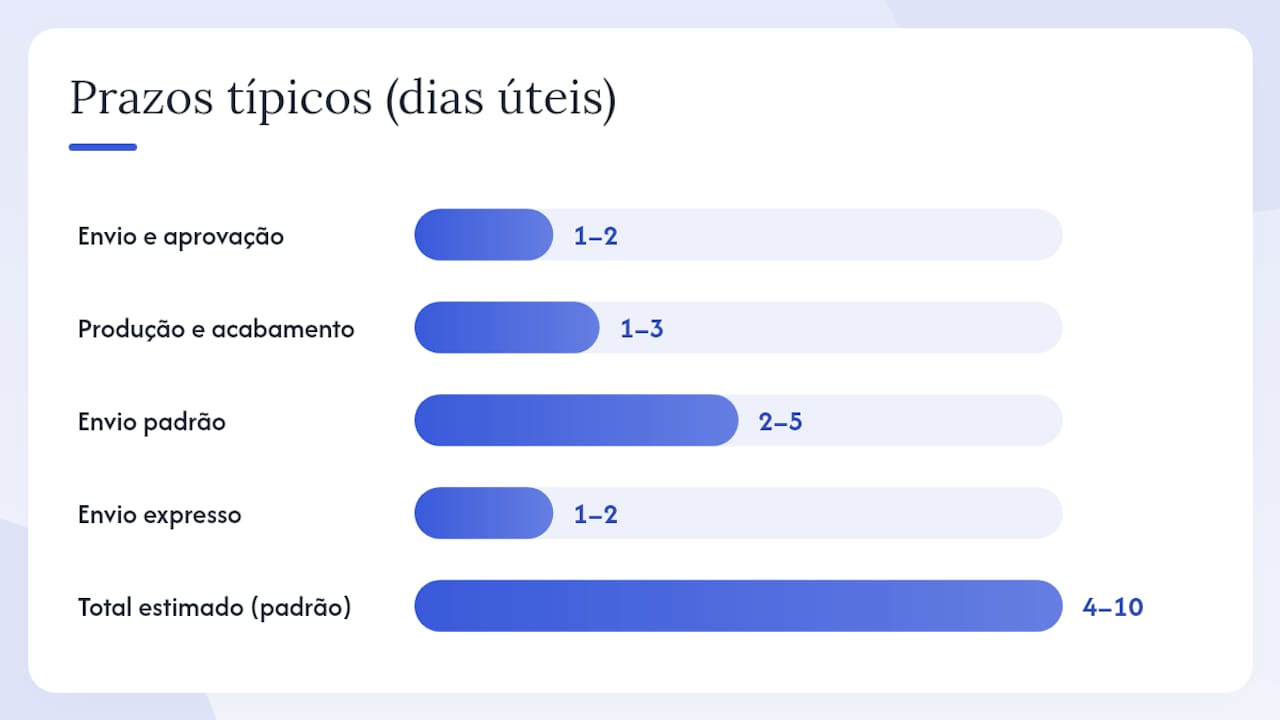
| Phase | Typical time (business days) |
|---|---|
| File submission and proof approval | 1–2 days |
| Production (printing and finishing) | 1–3 days |
| Standard shipping to Central Europe | 2–5 days |
| Express shipping | 1–2 days |
| Estimated total (standard) | 4–10 business days |
The times are indicative and vary by supplier, volume, and destination. Always confirm with the supplier before ordering for a specific date.
Cut and finishing options:
- Disc: round format; the most common for birthday cakes.
- Rectangle: covers a larger area; useful for sheet cakes or horizontal designs.
- Custom shapes (cut border): more labor-intensive and generally at a higher cost; ideal when the design has an irregular outline.
Professional tip: Always send the file in sRGB and with a safety margin on the edges. Ask for color confirmation before production, especially in designs with skin tones or gradients, where small variations are more noticeable.
Hybrid sheets in 2026: when does it make sense to choose Revoprint?
Hybrid sheets represent a relevant trend in edible decoration currently. The concept is simple: combine the stiffness of wafer paper with the color vibrancy of sugar paper in a single material.
Revoprint is the most cited market example in this category. The proposal is useful for bakers who need versatility: good color reproduction in photographic designs and enough resistance for frostings with some moisture, without having to choose between the two traditional materials. For those who make cakes with buttercream or ganache and want sharp images, hybrids eliminate the main limitation of sugar paper on moist surfaces.
Practical limitations exist. The price per sheet tends to be higher than wafer paper and, in some cases, sugar paper. Availability in Central Europe is not universal: not all suppliers work with this category, so always confirm before ordering. To explore alternatives to traditional sugar paper, it is worth comparing the options available in your market.
Professional tip: Opt for hybrids when you need good color reproduction and some moisture resistance, but do not have access to direct printing. If your supplier does not make them available, sugar paper on fondant continues to be the closest alternative in terms of print quality.
How to check food safety and quality before buying
In Central Europe, edible materials for cake decoration are subject to European Union food regulations, which require clear allergen labeling and compliance with food contact standards. Before ordering, always check these points.
Food safety checklist:
- Does the product have complete allergen labeling (gluten, lactose, dyes, soy)?
- Are the ingredients listed in compliance with Regulation (EU) No. 1169/2011 on food information?
- Are the edible inks used certified for food contact?
- Does the product have an expiration date and storage conditions indicated on the packaging?
- Does the supplier indicate the recommended relative humidity for storage?
Signs of quality in a supplier:
- High-resolution photos of samples (close-ups of printing visible on the website).
- Technical information about print DPI and the type of edible inks used.
- Documented or mentioned quality control policy on the website.
- Possibility of requesting samples or a proof before a larger order.
Regarding storage: store wafer paper and edible paper in sealed packaging and in a dry environment. Moisture is the main cause of degradation, both of color and texture. After opening the packaging, use the product as quickly as possible or reseal it with adhesive tape and store it away from heat sources.
To confirm the specific requirements of your country in Central Europe, consult the national food authority or the resources of the European Food Safety Authority (EFSA).
Main conclusions
Sugar paper is the best choice for vivid photographic images, wafer paper for 3D decorations and moist surfaces, and hybrids like Revoprint offer the best balance when you need color and resistance at the same time.
| Point | Details |
|---|---|
| Compatibility with frosting first | Choose the material based on the cake frosting before evaluating price or appearance. |
| Sugar paper for vivid photos | Sharper and more vivid colors; best on fondant or dry buttercream. |
| Wafer paper for 3D and moisture | Rigidity and lightness ideal for flowers, 3D decorations, and wetter frostings. |
| Hybrids like Revoprint balance colour and resistance; check availability with the supplier. | |
| Funbakery as a recommended option | Offers personalised sugar sheets and icing paper with a design service, digital proof, and shipping to Central Europe. |
What Funbakery Studio's experience teaches about this choice
There is a trend I repeatedly see with first-time customers: the material is chosen based on the appearance of online samples, without considering the cake's frosting. The result is curling edges, bleeding colours, or paper that won't stick. It is not a product quality issue; it is a compatibility issue.

At Funbakery, the process starts exactly there: understanding what goes on the cake before recommending a sugar sheet or icing paper. The studio produces personalised decorations for cakes, cupcakes, and biscuits, with designs ranging from children's characters to family photographs, as well as sports themes and celebrations for adults. Print quality depends as much on the submitted file as on the material chosen for each application.
If you want to see portfolio examples or ask about samples, the Funbakery personalised design studio page is the starting point.
Funbakery has the right material for your cake
While other options ask you to figure out the material, file, and proof on your own, Funbakery handles this with you. You send the photo, name, or theme; the studio team creates the design, confirms the digital proof with you, and prints it on the most suitable material for your order.
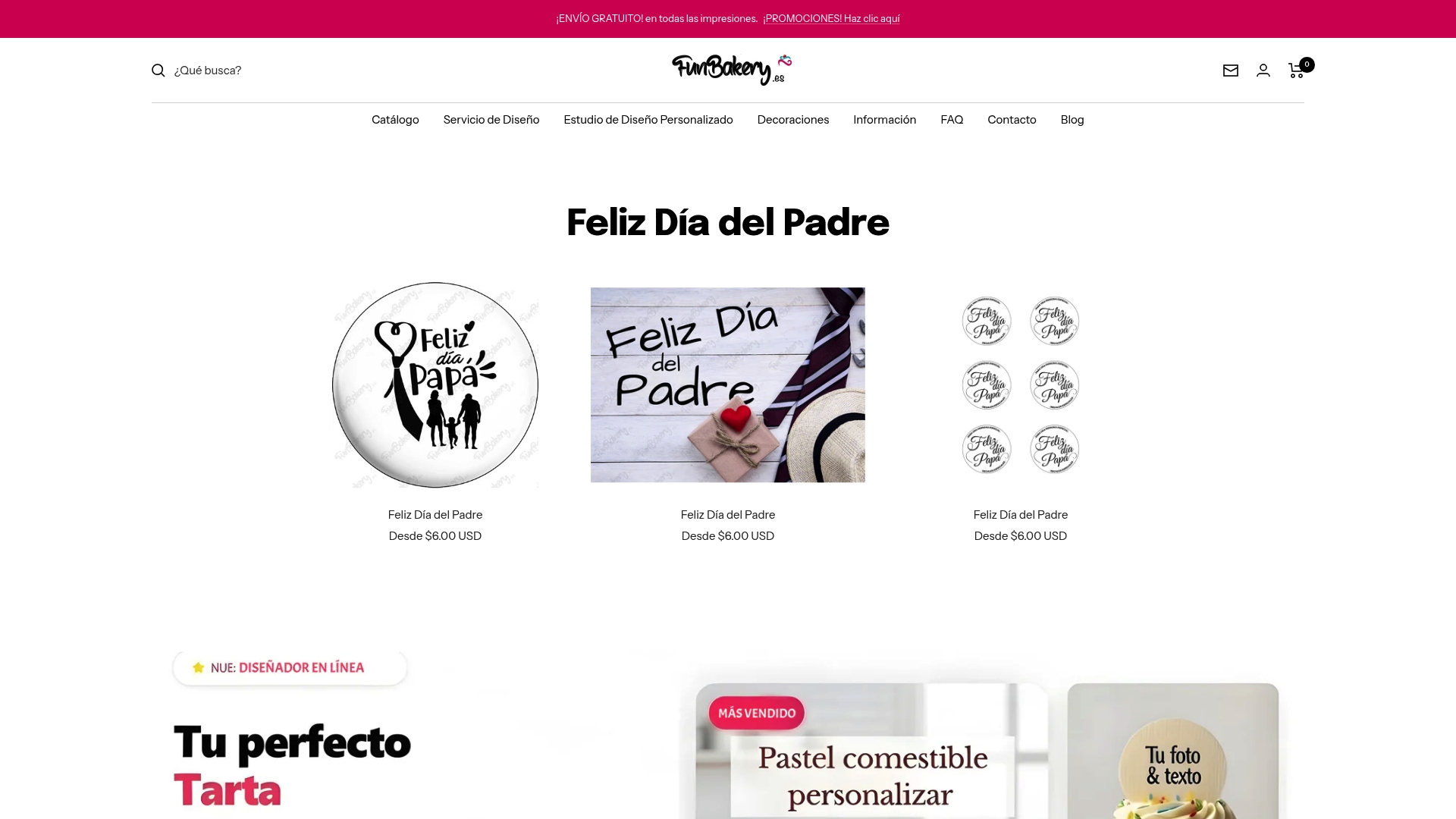
The catalogue includes personalised sugar sheets and icing paper in discs, rectangles, and cupcake formats, with design options for characters, photographs, dates, and text. For birthday parties, themed events, or orders for professional bakeries, the process is straightforward: you choose the format, send the file (or ask the studio for help), approve the proof, and receive it at home.
View the full range and start your order at Funbakery.
Additional sources and reading
To delve deeper into technical and safety criteria before buying, these sources are a good starting point:
- Differences between icing paper and sugar sheets — analysis of composition, handling, and application.
- European Food Safety Authority (EFSA): for standards on food additives, colourings, and food contact materials in the EU, visit efsa.europa.eu.
Funbakery blog posts for further reading:
- Icing paper vs. sugar paste: which should you choose?
- Guide to using icing paper on personalised cakes
- Steps to personalise sugar sheets: practical guide 2026
- Difference between sugar sheets and rice paper in confectionery